Guides
Why the Marble Floor Around the Kaaba Stays Cool in Extreme Heat
9 March 2026 · 5 min read
The white marble around the Kaaba stays cool because it is exceptionally bright and reflective. Its high solar reflectance bounces most sunlight away rather than absorbing it, while its density conducts and disperses the little heat it does take in — keeping the surface comfortable for barefoot pilgrims.
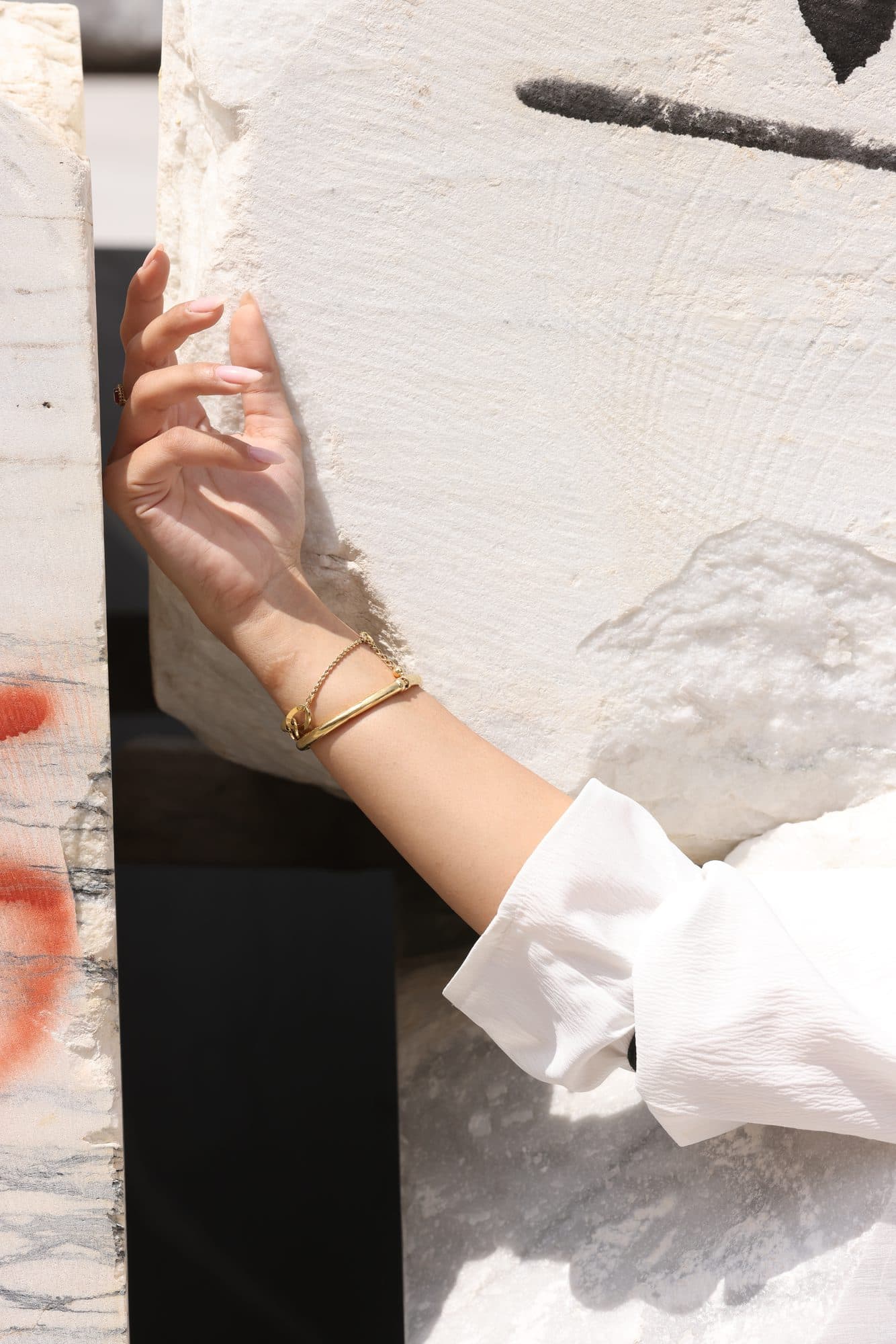
Each year, millions of pilgrims walk barefoot across the vast courtyards of the Grand Mosque in Makkah. In summer the air can be punishing, yet the bright white marble around the Kaaba feels surprisingly cool underfoot. It is one of the first things visitors notice — and the explanation is not a hidden machine, but the stone itself.
A common assumption is that pipes or a chilled-water system run beneath the floor. The real reason is simpler and more elegant: the marble was chosen for its natural ability to reflect sunlight and shed heat, so its surface never reaches the scorching temperatures of ordinary paving.
What is marble, and why does it matter here?
Marble is a metamorphic rock — limestone that has recrystallised under heat and pressure into a dense, crystalline stone. That density gives marble two qualities that matter in extreme climates: it is solid enough to absorb and store heat across its mass rather than letting one spot become dangerously hot, and a polished pale surface reflects a great deal of the light that strikes it. The whitest, brightest marbles are the most reflective of all.
The stone behind the cool floor: Thassos marble
The marble most often associated with these courtyards is Thassos, a brilliant white stone quarried on the Greek island of Thassos in the northern Aegean. It is a dolomitic marble, and it is prized worldwide for being one of the whitest natural stones available — so bright it is sometimes described as snow-white.
That whiteness is the whole point. A pale, reflective surface has a high albedo, meaning it returns most of the sun's energy to the sky instead of soaking it up. A dark surface does the opposite, absorbing light and heating quickly. By choosing one of the brightest marbles on earth, the builders gave the floor the highest possible head start against the heat.
The qualities that make a bright white marble like this suited to hot, sunlit spaces include:
- High solar reflectance — its bright surface bounces most sunlight away rather than absorbing it.
- High thermal mass — its density spreads absorbed heat through the slab instead of concentrating it at the surface.
- Good conductivity — it draws heat away from the point of contact, so it feels cool to the touch.
- A dense, low-porosity body — a fine crystalline structure that resists wear and polishes to a luminous finish.
How the marble keeps its surface cool
When sunlight hits a dark or porous surface, the energy is absorbed and the surface temperature climbs fast. A bright, dense marble behaves differently. Most of the light is reflected straight back, and the smaller share that is absorbed is conducted down and across the stone's mass rather than building up where a bare foot would touch it.
Thickness helps, too. A substantial slab has more material to spread and store heat, so the surface warms more slowly and stays comfortable for longer. Combined with high reflectance, this is why the floor can sit under a desert sun and still feel cool against the skin.
Why this marble was chosen for the Holy Mosque
Around the Kaaba, prayer and the rites of Hajj and Umrah are performed barefoot, often by enormous crowds in the open air. The floor had to remain safe and comfortable even at the height of summer — a surface that could blister bare feet would be unthinkable.
Choosing a brilliant, reflective marble answered three needs at once:
- Pilgrims can walk and pray barefoot in comfort, even under strong sun.
- The surface stays far cooler than ordinary stone or concrete would.
- The luminous white stone gives the courtyards their serene, radiant beauty.
Beauty as well as function
The marble does more than keep the floor cool. Its bright surface reflects daylight and, after dark, the warm glow of the mosque's lighting, lending the space around the Kaaba a calm, almost luminous quality. Form and function are inseparable here: the very property that keeps the stone cool — its brightness — is also what makes it beautiful.
This is the quiet intelligence of natural stone. The right marble, well chosen and well laid, can solve a demanding engineering problem and elevate a space at the same time — no hidden systems required.
Bright white marble in Lebanon
The same family of luminous white marbles that performs so well in the heat is equally at home in a Beirut villa, a hotel lobby or a cool, light-filled bathroom. At Zein Group we have supplied premium natural stone in Lebanon since 1989, and our showroom holds bright whites alongside dramatic veined and coloured stones.
You can browse our marble collection, see full slabs in person at our Beirut showroom, or contact us to find the right white stone for your project.
Conclusion
The cool marble floors around the Kaaba are not the result of hidden cooling systems but of the natural properties of a brilliant white stone. Its high reflectance turns sunlight away, and its density and thickness spread and shed the heat it does absorb.
Through a thoughtful choice of material and constant care, this remarkable stone allows millions of pilgrims each year to walk comfortably around one of the holiest sites in Islam — a reminder that the right piece of natural stone, well chosen, can be both deeply practical and quietly beautiful.
Frequently asked
- Why does the white marble around the Kaaba stay cool?
- Because it is exceptionally bright and reflective. Its high solar reflectance returns most sunlight to the sky instead of absorbing it, while its dense, thick body conducts and disperses the heat it does take in — so the surface never becomes scorching underfoot.
- What type of marble is used around the Kaaba?
- It is widely reported to be Thassos marble, a brilliant white dolomitic marble quarried on the Greek island of Thassos. It is one of the whitest natural stones available, which is exactly why it is so reflective and stays comparatively cool.
- Is there a cooling system under the marble floor?
- No. The coolness comes from the stone itself, not from pipes or chillers. A bright, dense, well-laid marble naturally reflects sunlight and spreads heat through its mass, which keeps the surface comfortable even in extreme heat.
- Can I get a similar bright white marble in Lebanon?
- Yes. Zein Group supplies luminous white marbles and other premium natural stones from its Beirut showroom. You can view full slabs in person or browse the marble collection online to find the right stone for a floor, wall or bathroom.
See it in the showroom.
Browse over a hundred natural stones as full slabs in Beirut, or ask our team for guidance on your project.
Keep reading