Guides
What Is Marble? Formation, Properties and Uses Explained
29 September 2025 · 4 min read
Marble is a metamorphic rock formed when limestone is recrystallised by heat and pressure deep in the earth. It is composed mainly of calcite or dolomite, prized for its luminous veining and the way it takes a high polish — which is why it has been used in luxury floors, walls and surfaces for thousands of years.
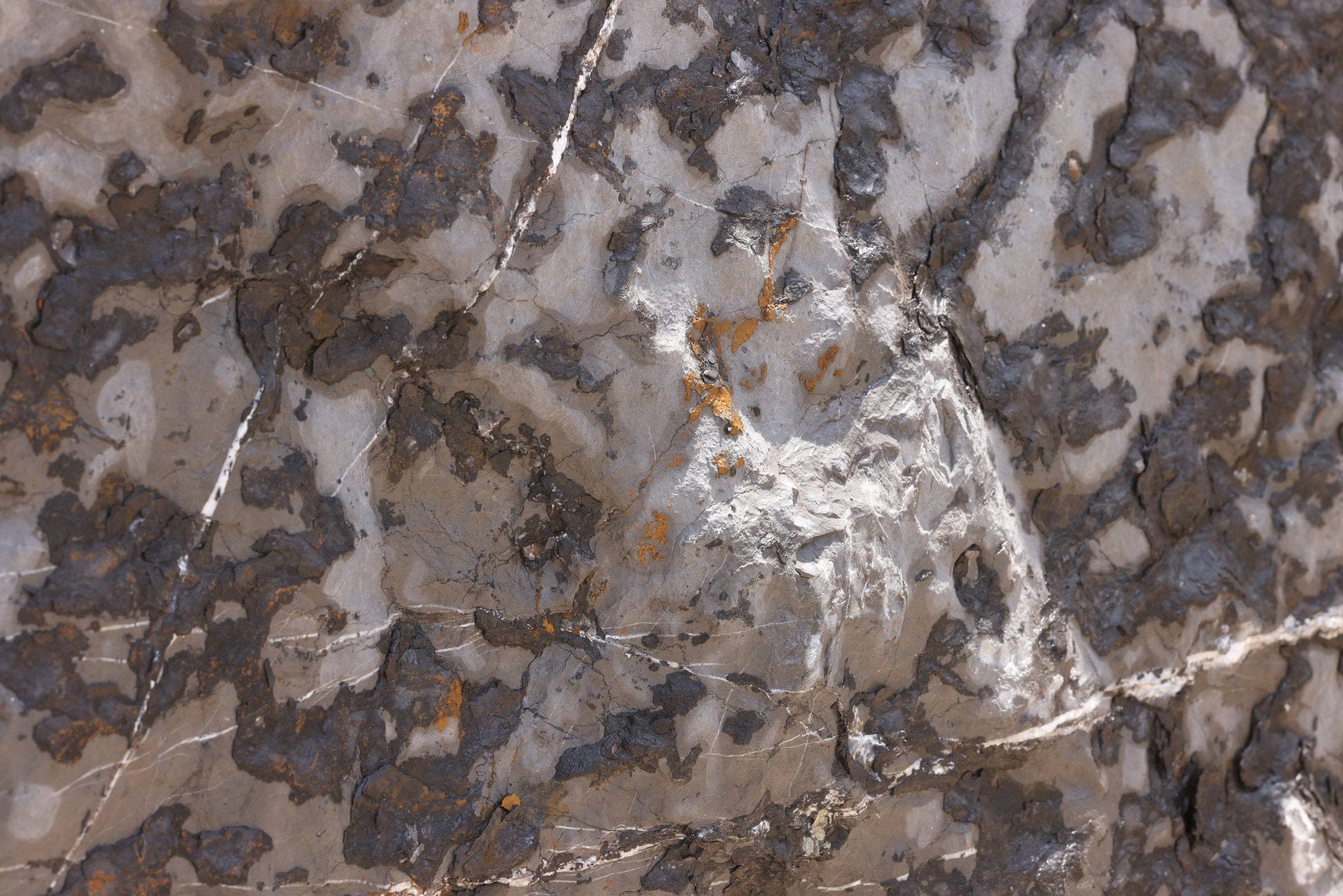
Marble is a natural stone that has signalled luxury for millennia — from ancient temples and sculpture to modern kitchens, bathrooms and feature walls. But what actually *is* it, where does it come from, and why is it so prized? This guide explains marble in plain terms: how it forms, what gives it its veining, its key properties, and how it is used.
How marble forms
Marble is a metamorphic rock. It begins as limestone — a sedimentary rock made largely of calcium carbonate. When that limestone is buried deep in the earth and subjected to intense heat and pressure over a very long time, its mineral crystals recrystallise and interlock. The result is a denser, harder stone that can be cut, polished and used architecturally: marble.
Because the process depends on the original limestone and the exact conditions it was exposed to, marble is quarried in a handful of regions famous for it — most notably Italy (Carrara), as well as Greece, Turkey and Spain. Each quarry produces stone with its own character.
What gives marble its veining
The flowing lines and colours in marble — its veining — come from mineral impurities present when the stone formed. Clay, silt, iron oxides and other minerals are folded into the calcite as it recrystallises, leaving the grey, gold, green or black streaks that make each piece distinct. No two slabs are ever identical, which is why marble is often described as being like a fingerprint.
The properties of marble
- Composition: mainly calcite or dolomite (calcium / magnesium carbonate).
- Hardness: around 3 on the Mohs scale — softer than granite and quartzite, so it is easier to shape but can scratch.
- Porosity: naturally porous, so it should be sealed and benefits from care around liquids.
- Acid sensitivity: reacts with acids (lemon, vinegar, wine), which can leave dull etch marks — this is normal for marble, not a defect.
- Finish: takes a high polish and a cool, luminous depth that engineered stones cannot fully replicate.
- Character: every slab is unique in colour and veining.
The most popular types of marble
Some marbles have become design icons. The best known come from Italy — Carrara (white with soft grey veins), Calacatta (bright white with bold gold or grey veining) and Statuario (luminous white, prized for sculpture and statement spaces). Spain contributes warm browns and beiges such as Emperador and Crema Marfil. You can explore the full range in our marble collection.
What marble is used for
- Flooring and staircases
- Wall and façade cladding
- Kitchen worktops, islands and bathroom vanities
- Book-matched feature walls
- Tables, fireplaces and bespoke furniture
Marble vs granite, quartzite and quartz
Marble is softer and more acid-sensitive than granite and quartzite, which are harder and more stain-resistant — a trade-off of timeless beauty against everyday ruggedness. Quartz, by contrast, is an engineered material (crushed stone bound with resin): consistent and low-maintenance, but without the natural depth of real marble. The right choice depends on where the surface goes and how it will be used.
Caring for marble
Well looked after, marble lasts a lifetime. Seal it as recommended, clean it with mild pH-neutral products (never acidic cleaners), and wipe up spills promptly — especially acidic foods and drinks. Light etching and a softening patina are part of how marble ages, and many people come to value that lived-in character.
Choosing marble in Lebanon
At Zein Group we have supplied, fabricated and installed natural stone in Beirut since 1989. Our showroom holds over a hundred marbles and other stones as full slabs, so you can see the veining and finish in person before you choose. If you are planning a project, browse the collection or get in touch and we will help you select the right stone.
Frequently asked questions
Is marble a natural stone?
Yes. Marble is a 100% natural metamorphic rock, formed from limestone over millions of years — not a man-made or engineered material.
Is marble hard or soft?
Marble is moderately soft — about 3 on the Mohs scale — which is softer than granite or quartzite. That makes it easy to shape and polish, but it can scratch and etch, so it suits the right setting and a little care.
Does marble stain or etch?
Marble can etch (dull marks) when it meets acids like lemon, vinegar or wine, and can stain if liquids are left to absorb. Sealing and prompt cleaning prevent most issues, and etching can usually be polished out.
What is the difference between marble and granite?
Marble is metamorphosed limestone (mostly calcite) — softer, with flowing veins and an acid sensitivity. Granite is an igneous rock — harder, speckled rather than veined, and more resistant to scratches and stains. Marble is chosen for its elegance; granite for its ruggedness.
Frequently asked
- Is marble a natural stone?
- Yes. Marble is a 100% natural metamorphic rock, formed from limestone over millions of years — not a man-made or engineered material.
- Is marble hard or soft?
- Marble is moderately soft — about 3 on the Mohs scale, softer than granite or quartzite. It is easy to shape and polish but can scratch and etch, so it suits the right setting and a little care.
- Does marble stain or etch?
- Marble can etch (dull marks) when it meets acids like lemon, vinegar or wine, and can stain if liquids absorb. Sealing and prompt cleaning prevent most issues, and etching can usually be polished out.
- What is the difference between marble and granite?
- Marble is metamorphosed limestone (mostly calcite) — softer, veined and acid-sensitive. Granite is an igneous rock — harder, speckled, and more resistant to scratches and stains.
See it in the showroom.
Browse over a hundred natural stones as full slabs in Beirut, or ask our team for guidance on your project.
Keep reading