Guides
Quartz Surfaces: Stylish, Durable and Low-Maintenance — A Guide by Zein Marble
23 September 2025 · 5 min read
Engineered quartz is a man-made surface — roughly 90% ground natural quartz bound with resin and pigment. It is non-porous, very hard, stain- and scratch-resistant and almost maintenance-free, which makes it a practical choice for busy kitchens and bathrooms. Its main limits: it can be marked by high heat, and being manufactured it lacks the one-of-a-kind depth of natural stone.
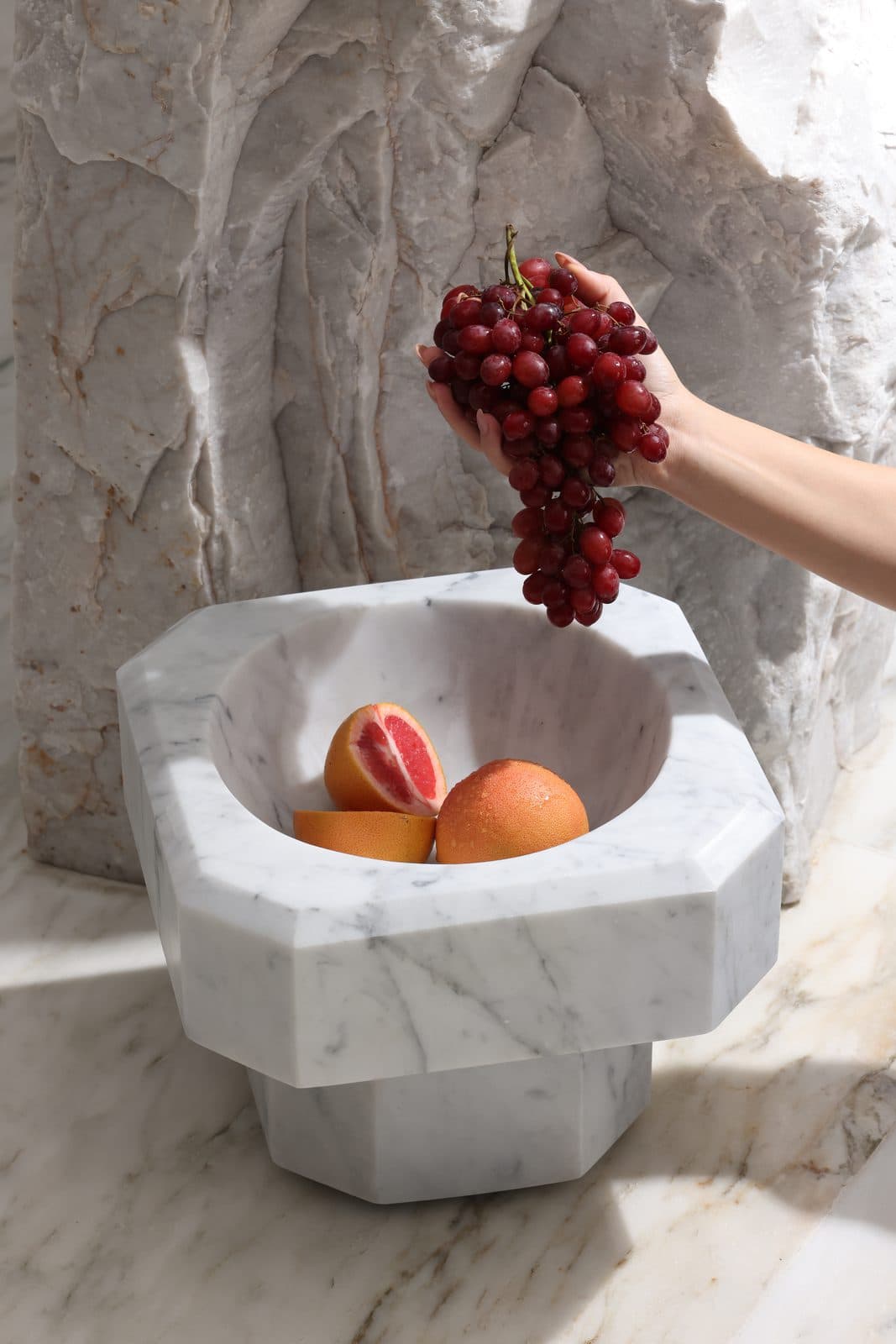
Quartz surfaces have become one of the most popular choices for kitchen and bathroom worktops — and for good reason. They are hard-wearing, easy to live with and available in a wide range of looks, from clean modern whites to dramatic marble-inspired veining. Whether your style is minimal, classic or contemporary, there is a quartz to suit it.
This guide explains what engineered quartz actually is, why it performs so well day to day, where its limits lie, and how the marble-look quartz designs differ from genuine natural marble — so you can choose the right surface with your eyes open.
[Zein Marble](/), part of the Zein Group, has supplied natural stone and engineered surfaces in Beirut since 1989. Alongside our quartz, we offer marble, granite, travertine and onyx, with more than 100 slabs in our showroom — so we can match the right material to each project, at home or in a commercial space.
What is engineered quartz?
Engineered quartz is a man-made surface, not a slab cut straight from the earth. It is made from roughly 90% ground natural quartz — one of the hardest common minerals — combined with resins and pigments and compacted into solid slabs. The quartz crystals give the surface its strength; the resin binds everything together and seals it; the pigments and patterning are added to create the colour and veining you see.
Because the look is designed and repeated in a factory, quartz is highly consistent from slab to slab. That predictability is useful when you need several pieces to match across a large kitchen or a run of bathrooms — something natural stone, with its unique veining, cannot promise.
Why quartz is so durable and low-maintenance
- Non-porous: The resin seals the surface, so liquids, wine, coffee and oil sit on top rather than soaking in — and quartz never needs sealing.
- Stain-resistant: Because nothing penetrates, most spills wipe straight off with no lasting mark.
- Very hard and scratch-resistant: Quartz is one of the hardest minerals, so the surface stands up well to everyday knocks and abrasion.
- Low-maintenance: Day-to-day cleaning needs nothing more than mild soap and water — no special sealers or treatments.
- Hygienic: A non-porous surface gives bacteria nowhere to settle, which is welcome on kitchen worktops.
This combination is what makes quartz such a sensible choice for the busiest surfaces in a home — exactly where a more delicate stone might struggle.
Where quartz has its limits
No surface is perfect, and it is worth knowing where quartz draws the line:
- Heat: This is the key one. The resin that binds quartz can scorch, discolour or crack under high heat, so never put a hot pan or tray straight onto the surface — always use a trivet or mat.
- Man-made character: Quartz is manufactured, so it cannot reproduce the one-of-a-kind depth, translucency and natural variation of real stone. Up close, a designed pattern reads differently to a slab the earth made over millions of years.
- Strong sunlight: Some quartz can fade over long, direct UV exposure, so it is generally better suited to interiors than fully exposed outdoor runs.
Marble-look quartz vs real marble
Many of the most sought-after quartz designs are made to mimic marble — and you will often see them given marble-style names such as a "Calacatta" or "Carrara" look. It is important to be clear: these are engineered quartz look-alikes that imitate the appearance of marble. They are not natural marble. They borrow the veining and the colour palette, then deliver it in a tougher, lower-maintenance surface.
That distinction matters because the two materials behave very differently:
- Natural marble is a porous stone that needs sealing. It is softer and acid-sensitive, so it can etch and stain when it meets lemon, wine or vinegar — but it offers genuine, unrepeatable depth and ages with real character.
- Marble-look quartz is non-porous, harder and far more forgiving of spills and daily wear, but the pattern is printed-in and repeated rather than natural — and it still cannot take high heat.
Choose marble-look quartz when you want the marble aesthetic with everyday toughness; choose real marble when nothing but the depth and authenticity of natural stone will do.
Neither is "better" in the abstract — it depends on how you live with the surface. If you want to compare the two in person, our marble collection and quartz options can be seen side by side in the showroom.
How to choose the right quartz
- Match the look to your kitchen: Clean white quartz suits minimal, modern schemes; bolder marble-look veining gives a more classic, statement feel and pairs beautifully with brass or gold fittings.
- Be honest about how you cook: A hard-working family kitchen benefits most from quartz's stain- and scratch-resistance.
- Plan for heat: Whatever you choose, keep trivets to hand — heat is quartz's one real weakness.
- See full slabs, not samples: A small chip rarely tells the whole story; viewing a full slab shows how the pattern reads across a real worktop.
In short
Engineered quartz is a stylish, exceptionally durable and genuinely low-maintenance surface: non-porous, hard, stain- and scratch-resistant, and easy to clean. Keep it away from direct high heat, and remember that marble-look designs imitate marble rather than being the real thing — and you have a worktop that will look good and work hard for years.
Zein Marble, part of the Zein Group, can help you weigh quartz against natural marble, granite and travertine for your project. To see the options in person or get advice for a specific room, visit our showroom or contact us.
Frequently asked
- Is quartz a natural stone?
- Not entirely. Engineered quartz is man-made — roughly 90% ground natural quartz bound with resin and pigment, then compacted into slabs. It uses a natural mineral, but the finished surface is manufactured, which is why it is so consistent and low-maintenance.
- Is marble-look quartz the same as real marble?
- No. Marble-look quartz is engineered to imitate the veining and colour of marble, but it is not natural marble. It is non-porous, harder and easier to maintain, whereas real marble is a porous natural stone that needs sealing and can etch or stain.
- Is quartz heat resistant?
- Quartz handles everyday warmth, but the resin that binds it can scorch or crack under high heat. Never place a hot pan or tray directly on the surface — always use a trivet or mat.
- How do you clean and maintain quartz?
- Very easily. Because quartz is non-porous it never needs sealing; day-to-day, mild soap and warm water are all you need. Avoid harsh or abrasive chemicals, which are unnecessary and can dull the finish.
See it in the showroom.
Browse over a hundred natural stones as full slabs in Beirut, or ask our team for guidance on your project.
Keep reading