Guides
Quartz vs Quartzite Countertops: The Complete Guide
17 November 2025 · 5 min read
Despite the near-identical names, quartz and quartzite are very different materials. Quartzite is a natural metamorphic rock — extremely hard, heat- and scratch-resistant, but porous, so it needs sealing. Quartz is an engineered surface made from ground natural quartz bound with resin — non-porous and low-maintenance, but man-made and sensitive to heat. This guide explains the difference and helps you choose the right worktop for your home.
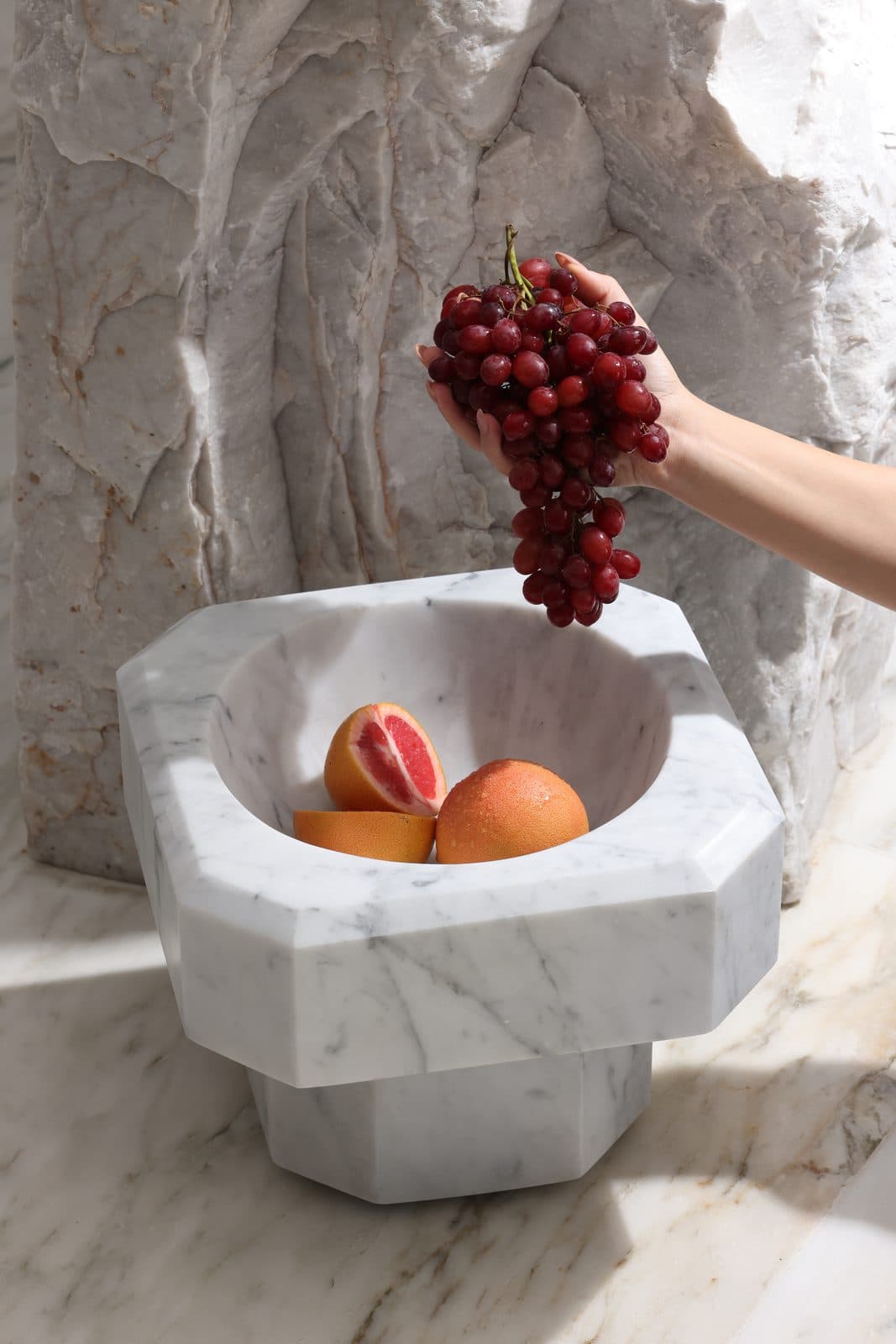
Choosing a countertop can feel overwhelming, and few decisions cause more confusion than quartz versus quartzite. The names sound almost identical, yet the two materials could hardly be more different: one is a natural rock pulled from the earth, the other is manufactured in a factory. Understanding that single distinction is the key to picking the right surface for your kitchen or bathroom.
Quartzite is natural; quartz is engineered
This is the difference that matters most, so it is worth being precise. [Quartzite](/collections?type=Quartzite) is a 100% natural metamorphic stone. It forms over millions of years when quartz-rich sandstone is subjected to intense heat and pressure deep within the earth, fusing the grains into one of the hardest surfaces used in the home. [Quartz](/collections?type=Quartz), by contrast, is an engineered (man-made) surface. It is produced by grinding natural quartz crystals and binding them with resins and pigments — a slab is manufactured, not quarried.
Because they share part of a name and a similar sparkle, the two are constantly mixed up. Keep this in mind throughout: quartzite = natural rock, quartz = engineered product.
What is quartz?
Quartz countertops are engineered stones made by combining natural quartz crystals with resins, pigments and other minerals. Because quartz is manufactured in a controlled environment, it is highly consistent, durable and customisable — slabs can be produced in an enormous range of colours and patterns, including ones that mimic marble, granite or concrete with near-perfect repeatability.
A typical quartz slab is made up of:
- Around 90% or more ground natural quartz crystals
- Resins and binders that hold the slab together and give it flexibility
- Pigments for a wide range of colours
- Optional additions such as recycled glass, metallic flecks or stone chips
The manufacturing process makes quartz non-porous, which means it resists stains, never needs sealing and gives bacteria nowhere to settle. The trade-off is that the resin binder is sensitive to heat — placing a hot pan directly on the surface can scorch or discolour it.
Pros of quartz
- Wide range of colours and patterns
- Non-porous, so it never needs sealing
- Resistant to stains, scratches and bacteria
- Highly consistent and low-maintenance
Cons of quartz
- Sensitive to high heat — use trivets and avoid hot pans on the surface
- Man-made, so it lacks the one-of-a-kind character of natural stone
- Not ideal outdoors, as the resin can fade in direct sunlight unless UV-stable
What is quartzite?
Quartzite is a 100% natural stone formed over millions of years from quartz-rich sandstone exposed to extreme heat and pressure. Its natural veining, earthy tones and luxurious depth make it a favourite for premium kitchens and bathrooms. Each slab is unique — the patterns are organic and cannot be exactly replicated.
The world's quartzite is quarried in countries such as Brazil, India, the United States and Canada. In its natural state quartzite is porous, so it must be sealed to protect against stains and water — but it is exceptionally hard, heat- and scratch-resistant, and ages with the character only natural stone can offer.
Pros of quartzite
- Extremely hard and durable — among the toughest natural surfaces
- Genuinely heat- and scratch-resistant
- Unique natural patterns and veining in every slab
- Resembles marble but is far more robust
Cons of quartzite
- Porous — requires periodic sealing to stay protected
- Heavier and harder to fabricate and install
- Generally a higher investment than quartz
Quartz vs quartzite: the key differences
- Origin: Quartzite is a natural metamorphic rock; quartz is an engineered, man-made surface.
- Appearance: Quartz offers near-limitless, repeatable colours and patterns; quartzite has organic, one-of-a-kind veining unique to each slab.
- Durability: Quartzite is harder and naturally heat- and scratch-resistant but porous; quartz is non-porous and scratch-resistant but heat-sensitive.
- Maintenance: Quartz never needs sealing — just wipe with mild soap and water; quartzite should be cleaned with pH-neutral products and resealed periodically.
- Installation: Quartz is lighter and more forgiving to fabricate; quartzite is dense and heavy, so professional installation is essential.
- Cost: Quartz is generally the more affordable, predictable option; quartzite is a higher investment for a natural, characterful surface.
How to choose between quartz and quartzite
If you want the lowest maintenance, quartz is hard to beat — it is non-porous and never needs sealing, which makes it a practical, worry-free choice for busy family kitchens. Just remember to protect it from direct heat.
If you want genuine natural stone, quartzite offers depth, character and a one-of-a-kind slab that no engineered surface can replicate — with the toughness to handle daily use, provided you keep it sealed. Many homeowners who love the look of marble choose quartzite for its far greater durability.
A simple rule of thumb: prioritise convenience and a flawless, repeatable look, and quartz wins. Want a natural, timeless statement with the hardness to last, and quartzite is the one.
The best way to decide is to see full slabs side by side. At our Beirut showroom you can compare quartz and quartzite in person, and our design and consultation team can match the right surface to how you actually live. If you would prefer to talk it through first, contact us and we will help you find the perfect worktop.
Frequently asked
- What is the difference between quartz and quartzite?
- Quartzite is a natural metamorphic rock formed from sandstone — very hard, heat- and scratch-resistant, but porous, so it needs sealing. Quartz is an engineered surface made from ground natural quartz bound with resin — non-porous and low-maintenance, but man-made and sensitive to heat. Despite the similar names, they are completely different materials.
- Is quartz or quartzite more durable?
- Quartzite is harder and naturally resists heat and scratches, but because it is porous it needs periodic sealing. Quartz is non-porous and very scratch-resistant, but its resin binder can be damaged by direct heat. Both are excellent surfaces — quartzite edges ahead on raw hardness, quartz on ease of care.
- Does quartzite need to be sealed?
- Yes. Quartzite is a natural, porous stone, so it should be sealed and then resealed periodically to protect against stains and water. Quartz, being engineered and non-porous, never needs sealing.
- Why is quartzite usually more expensive than quartz?
- Quartzite is a natural stone that must be quarried, is heavier and harder to fabricate, and offers a unique slab every time. Quartz is manufactured in consistent batches, which makes it more predictable and generally more affordable.
See it in the showroom.
Browse over a hundred natural stones as full slabs in Beirut, or ask our team for guidance on your project.
Keep reading