Comparisons
Marble vs Quartz Countertops: Which Is Better for Your Home?
10 November 2025 · 5 min read
Marble is a natural metamorphic stone with unique veining and timeless character, but it is porous and etches with acids. Quartz is an engineered surface made from ground quartz and resin — non-porous, very durable and low-maintenance, but man-made and heat-sensitive. Choose marble for one-of-a-kind beauty, quartz for hard-wearing practicality.
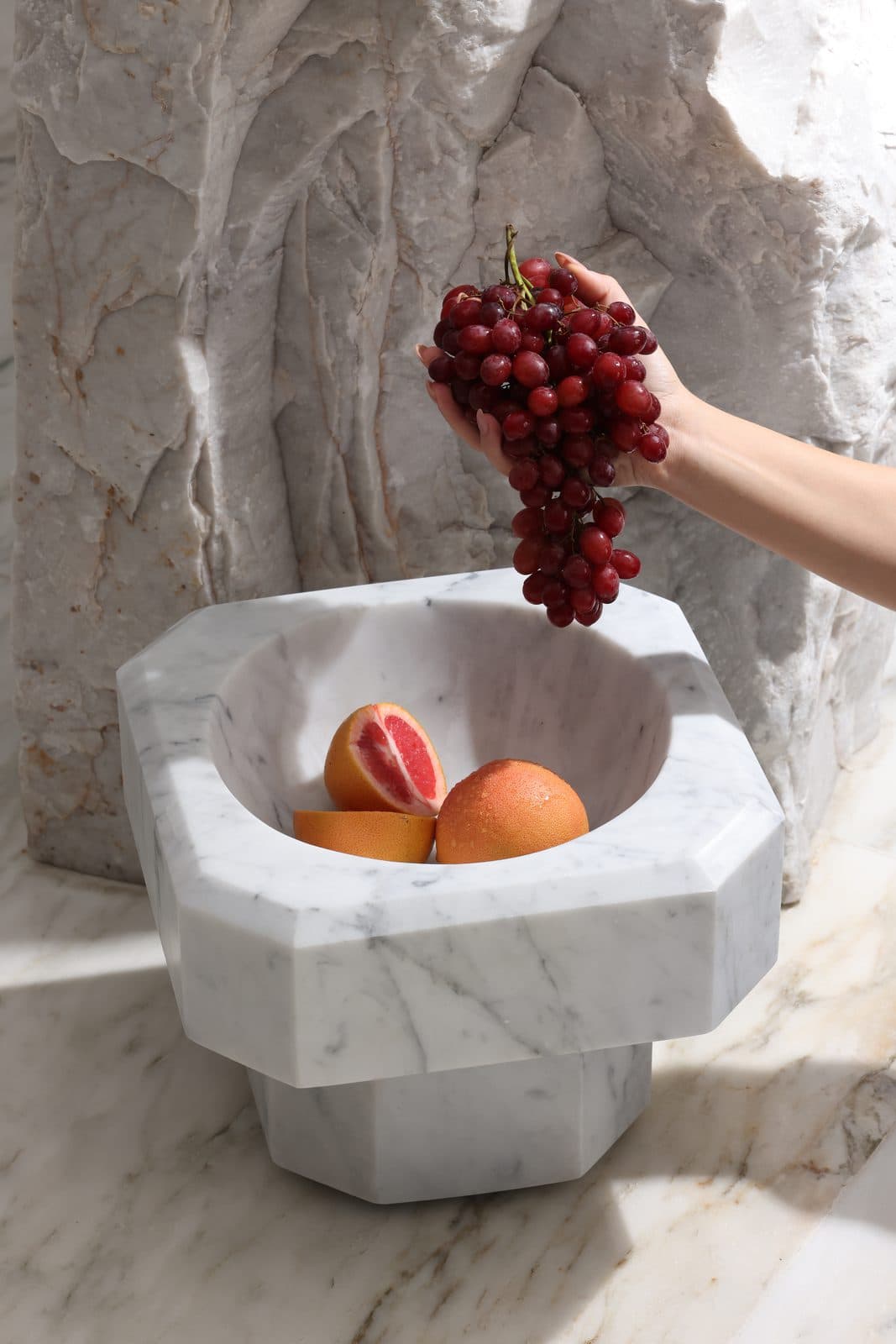
When you renovate a kitchen or bathroom, the countertop is one of the biggest decisions you will make. It is not only about looks — the surface has to handle daily use, heat and moisture while staying beautiful for years. Two materials dominate the conversation: natural [marble](/collections?type=Marble) and engineered [quartz](/collections?type=Quartz). Here is how they really differ, and how to choose the right one for your home.
What makes marble special?
Marble is a natural stone, formed over thousands of years deep within the earth as limestone recrystallises under heat and pressure. Every slab is unique — no two pieces share the same veining. That is what gives marble its timeless, luxurious character, and why it has been the material of grand interiors for centuries. The soft, flowing veins and cool surface make it a favourite for kitchen islands, vanities and feature walls. Marble is, however, porous, so it can absorb liquids if it is not sealed properly. It is also sensitive to acids such as lemon juice or vinegar, which can leave dull marks known as etching. With proper sealing and a little care, marble stays stunning for decades.
Why quartz is becoming more popular
Quartz is not quarried like marble — it is an engineered surface, made by combining ground natural quartz with resins and pigments under pressure. That process makes it highly consistent in colour and pattern, and you can find quartz designs that imitate the look of marble without the same upkeep. Because quartz is non-porous, it does not absorb stains or moisture, which makes it easy to clean, hygienic and well suited to busy kitchens. You simply wipe it down with a damp cloth and mild soap — no sealing, polishing or special treatment required. The trade-off is that quartz is man-made and heat-sensitive: its resin binder can scorch or discolour under very hot pans, so trivets are essential.
How they look — natural beauty vs modern consistency
Marble is authentic and artistic. The veins, texture and depth are entirely natural, so each piece has its own identity — ideal when you want a worktop or island to be the centrepiece of the room. Quartz, by contrast, is even and predictable. Slabs are designed to match one another, which is an advantage for large projects where you want countertops and backsplashes to align seamlessly. If your taste leans toward a one-of-a-kind, classic look, marble wins; if you prefer a uniform, modern and minimal finish, quartz suits you perfectly.
Strength and durability
Quartz is very durable. It resists scratches and stains, does not need sealing, and shrugs off everyday spills — which is why it is so popular for high-traffic family kitchens. Marble is strong but softer than quartz: it can scratch if you cut directly on it and stain or etch if acidic spills are not wiped quickly. The key with marble is consistent care — seal it properly and treat it gently, and it will last for generations while developing the gentle patina that many people prize. With quartz, the main thing to protect against is direct heat.
Caring for marble
- Seal it once or twice a year, depending on use.
- Clean only with pH-neutral cleaners.
- Wipe spills immediately, especially anything acidic.
- Use mats or trivets under hot cookware.
- Avoid abrasive pads that can dull the polish.
Caring for quartz
- Clean with mild soap and water.
- Avoid direct contact with very hot pots and pans.
- No sealing required.
- Wipe down regularly to keep it looking new.
In day-to-day terms, quartz is the lower-maintenance surface. If you would rather not think about sealing or polishing, it is the easier option to live with.
Best uses — where each material shines
Marble works best for:
- Bathroom vanities
- Feature islands and statement worktops
- Fireplace surrounds
- Wall cladding
- Spaces where unique character matters more than heavy daily wear
Quartz works best for:
- Busy, high-traffic kitchen countertops
- Wet areas and utility surfaces
- Commercial spaces
- Seamless backsplash installations
- Projects that need consistent colour across many slabs
A few tips before you buy
- Visit a showroom and view real slabs — photographs never capture true colour and depth.
- Compare texture, shine and thickness in person.
- Check that your fabricator provides proper edge finishing.
- Choose marble for character, quartz for hard-wearing practicality — or use both in the same home.
- Ask about installation and aftercare so the surface is looked after from day one.
Which one should you choose?
If you love natural beauty, classic design and uniqueness, marble is unbeatable — it gives a home a timeless, luxurious feel that no engineered material can fully match. If you prefer easy maintenance and consistent, modern looks, quartz is the smarter everyday choice. Both are excellent surfaces; the right answer comes down to your lifestyle, how the surface will be used and how much upkeep you are happy to do. Many homes use both — marble where it can be admired, quartz where it has to work hard.
At our Beirut showroom you can compare full slabs side by side and see how each material reads under real light. If you would like guidance for a specific kitchen or bathroom, contact us and our team will help match the right surface to how you live.
Frequently asked
- Is marble or quartz better for a kitchen countertop?
- For busy, everyday kitchens, quartz is usually the more practical choice — it is non-porous, scratch-resistant and needs no sealing. Marble is better suited to surfaces valued for their unique beauty, or to households happy to seal it and wipe acidic spills promptly.
- Does quartz get damaged by heat?
- Quartz handles warmth from everyday use, but its resin binder is heat-sensitive — direct contact with very hot pots and pans can scorch or discolour the surface. Always use trivets or mats.
- How often should marble be sealed?
- Typically once or twice a year, depending on how heavily the surface is used. Sealing helps marble resist staining, while pH-neutral cleaning protects it from etching.
- Is quartz a natural stone?
- No. Quartz countertops are an engineered surface, made by binding ground natural quartz with resins and pigments. Marble, by contrast, is a 100% natural metamorphic stone quarried from the earth.
See it in the showroom.
Browse over a hundred natural stones as full slabs in Beirut, or ask our team for guidance on your project.
Keep reading