Comparisons
Engineered Marble vs Natural Marble: Which Should You Choose?
4 April 2026 · 5 min read
Natural marble is a metamorphic stone quarried from the earth, with one-of-a-kind veining, a deep polished glow and a price that reflects its rarity. Engineered (cultured) marble is crushed marble bound with resin — more uniform, less porous and more stain-resistant, but without the depth or unique character of the real stone, and more vulnerable to heat and UV over time. Choose natural marble for a premium, lasting look; engineered marble for budget, consistency and easy upkeep.
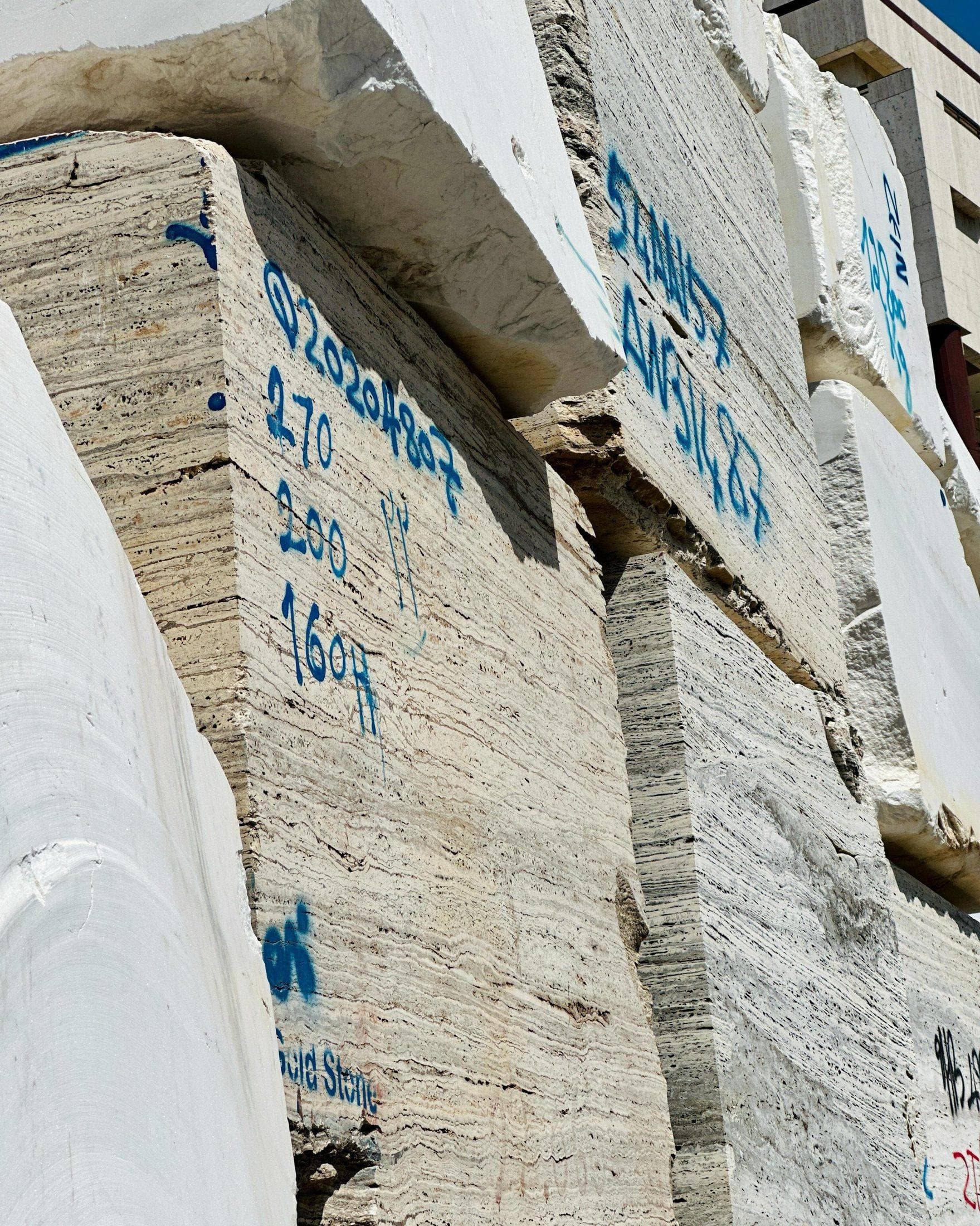
When you set out to buy marble, one of the first questions is which kind you are actually looking at: natural marble quarried from the earth, or engineered (cultured) marble made in a factory. They look similar at a glance but behave very differently in a home — in how they age, how much care they need and what they cost. Understanding the difference is the key to choosing well.
What is natural marble?
Natural marble is a metamorphic rock formed deep underground when limestone is recrystallised over millions of years under heat and pressure. It is quarried in large blocks and cut into slabs. Because no two formations are alike, every slab carries its own unique veining and colouring — patterns that cannot be reproduced. That individuality is exactly why natural marble has been the material of palaces and landmark buildings for centuries.
Natural marble is relatively soft — around 3 on the Mohs scale — and calcite-based, so it is porous and will etch if it meets an acid such as lemon or vinegar. In return it takes a high, luminous polish and develops a patina that many people grow to love over the years.
Strengths of natural marble
- Unique, one-of-a-kind beauty: each slab has veining and movement no factory can copy, giving a space genuine depth and character.
- A timeless, premium look: real marble reads as luxury and ages gracefully, often looking better with time.
- Naturally cool to the touch: it stays cool in warm weather, which makes it well suited to floors and kitchens.
- Adds value: in high-end homes and projects, natural stone is a recognised mark of quality.
Things to keep in mind
- It is porous: spills can soak in and stain, so it needs sealing and prompt clean-ups.
- It etches with acids: lemon, vinegar and harsh cleaners can dull the polish and leave dull marks.
- It asks for care: periodic resealing and gentle, pH-neutral cleaning keep it looking its best.
- It is an investment: quarrying, transport and fabrication make natural marble the more expensive option.
What is engineered (cultured) marble?
Engineered marble — often called cultured marble — is man-made. It is produced by crushing natural marble into dust and small chips, then binding it with resin and pigment and casting it into slabs. The result looks broadly like marble but is far more uniform from piece to piece, since the pattern is controlled rather than grown by nature.
Because the resin seals the surface, engineered marble is much less porous than the natural stone, so it resists water and stains better and rarely needs sealing. The trade-off is that the resin is sensitive to heat and, over the long term, to UV light — both of which can damage or discolour the surface in a way that quarried stone does not suffer.
Strengths of engineered marble
- More affordable: it gives a marble-like look for less, which suits tighter budgets.
- Low maintenance: the sealed surface is easy to clean and does not need regular resealing.
- More stain-resistant: being far less porous, spills tend to sit on top rather than soak in.
- Consistent and predictable: the colour and pattern are uniform, which fits clean, modern interiors.
Things to keep in mind
- It lacks the depth of real marble: the veining is manufactured and does not have the unique, living character of the natural stone.
- It is heat-sensitive: hot pans and high temperatures can scorch or mark the resin.
- UV can take a toll: over years, sunlight can fade or yellow the surface, so it is less suited to bright, sun-filled areas.
Engineered marble vs natural marble: the key differences
- Origin: natural marble is quarried metamorphic stone; engineered marble is crushed marble bound with resin.
- Look: natural marble offers unique, one-of-a-kind veining and depth; engineered marble is uniform and consistent.
- Porosity: natural marble is porous and needs sealing; engineered marble is less porous and more stain-resistant.
- Durability: natural marble etches with acids but lasts for generations; engineered marble resists stains but is vulnerable to heat and UV over time.
- Maintenance: natural marble needs periodic sealing and gentle care; engineered marble is largely wipe-and-go.
- Cost: natural marble is the premium investment; engineered marble is the more budget-friendly option.
Which should you choose?
Choose natural marble if
- You want a luxury, premium look with real depth and presence.
- You value unique veining that no two slabs share.
- You are happy to invest for the long term and care for the surface.
- Your project is a high-end home, villa or signature interior.
Choose engineered marble if
- You want a marble-like look on a tighter budget.
- You prefer a low-maintenance, easy-clean surface.
- You need consistent, repeatable colour and pattern.
- The space is shaded and sees heavy everyday use.
Our recommendation
For luxury villas, statement interiors and high-end offices, natural marble is the clear choice — its individuality, depth and longevity are simply unmatched, and it is what makes a space feel genuinely crafted. Where budget, uniformity or very high daily traffic in shaded areas are the priority, engineered marble is a sensible and practical alternative. Many projects use both: natural stone where it will be seen and admired, engineered surfaces where consistency and low upkeep matter most.
Why choose Zein Group
At Zein Group — also known as Zein Marble — we have been a house of stone in Beirut since 1989, with a showroom of more than 100 slabs. We help you weigh the look you want against how the surface will actually be used, so you choose with confidence. Browse our marble collection, visit the Beirut showroom to see full slabs in person, or contact us and our team will guide you to the right material for your project.
Natural marble is chosen for the one wall everyone remembers; engineered marble is chosen for the surfaces that simply have to work.
Frequently asked
- Is engineered marble cheaper than natural marble?
- Generally, yes. Engineered (cultured) marble is manufactured from crushed marble and resin, which usually makes it more affordable than quarried natural marble. Exact prices vary widely with quality, colour and finish, so it is best to compare specific options for your project.
- Does engineered marble stain less than natural marble?
- Yes. Because engineered marble is bound with resin, its surface is far less porous than natural stone, so it resists water and stains better and rarely needs sealing. Natural marble is porous and should be sealed and cleaned with pH-neutral products to guard against stains and etching.
- Can engineered marble be damaged by heat?
- It can. The resin in engineered marble is sensitive to heat, so hot pans and high temperatures can scorch or mark it, and long-term UV exposure can fade or yellow the surface. Natural marble is far more heat-tolerant, though it can still etch if it meets acids such as lemon or vinegar.
- Which lasts longer, engineered or natural marble?
- With proper care, natural marble lasts for generations and is found intact in centuries-old buildings. Engineered marble performs well day to day but is more vulnerable to heat and UV over time, so for sheer longevity natural marble is the stronger choice.
See it in the showroom.
Browse over a hundred natural stones as full slabs in Beirut, or ask our team for guidance on your project.
Keep reading