Comparisons
Marble vs Onyx: What's the Difference?
3 November 2025 · 2 min read
Marble is a durable, opaque metamorphic stone used widely for floors, walls and worktops. Onyx is a softer, translucent stone prized for backlit feature walls and decorative panels. Marble suits everyday surfaces; onyx is a statement material for low-traffic, light-driven applications.
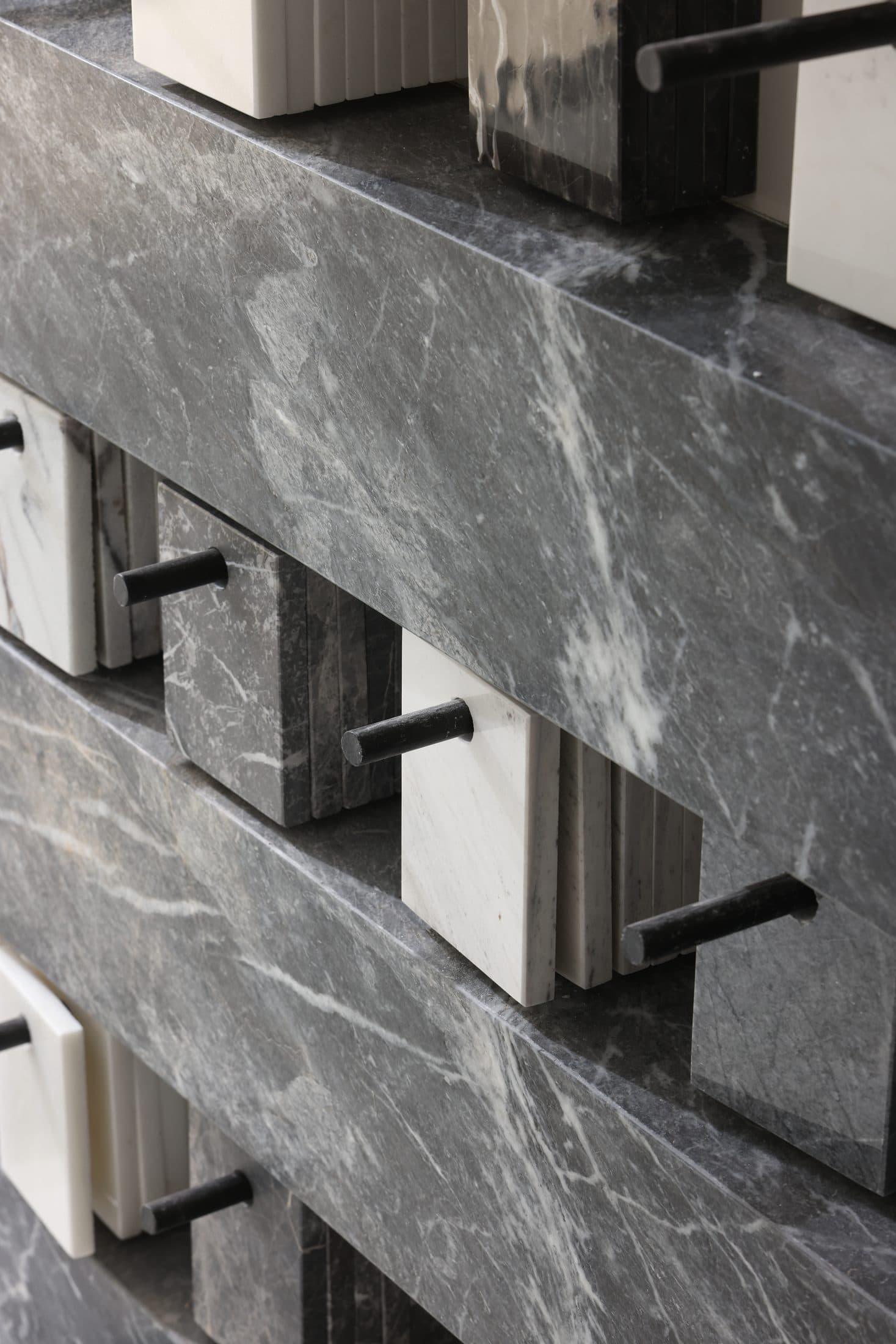
Marble and onyx are both natural stones, both luxurious, and often confused — but they behave very differently in a home. Marble is a workhorse you can use almost anywhere; onyx is a jewel you place where light can pass through it. Choosing the right one comes down to how the surface will be used and the effect you want.
What is marble?
Marble is a metamorphic rock formed when limestone is recrystallised under heat and pressure. The result is a dense, opaque stone with flowing veins of mineral colour. It is hard enough for floors, staircases, walls, vanities and — when sealed and cared for — kitchen worktops. Classic whites like Carrara, Calacatta and Statuario come from Italy, but marble is quarried across the world in nearly every colour.
What is onyx?
Onyx is a softer, calcite-based stone formed by mineral-rich water, which gives it dramatic banding and — crucially — translucency. A slab of onyx can be lit from behind so the stone itself glows, revealing depth you cannot get from any other material. That beauty comes with fragility: onyx scratches and etches more easily than marble and is best kept away from heavy wear.
Marble vs onyx: the key differences
- Translucency: Onyx is translucent and can be backlit; marble is opaque.
- Hardness: Marble is harder and more durable; onyx is softer and more delicate.
- Best uses: Marble for floors, walls, stairs and worktops; onyx for backlit feature walls, bar fronts, reception desks and decorative panels.
- Maintenance: Both need sealing and pH-neutral cleaning, but onyx demands more care and is less forgiving of acids and impacts.
- Look: Marble reads as timeless and architectural; onyx reads as jewel-like and theatrical.
A simple way to decide: if people will walk on it, chop on it or splash it daily, lean toward marble. If you want a glowing centrepiece in a feature wall or a hospitality space, onyx is unmatched.
Which should you choose?
For kitchens, bathrooms and floors, marble is almost always the practical choice — it stands up to use and ages gracefully. For a backlit wall behind a bed, a bar, a lobby or a powder room where drama matters more than durability, onyx delivers an effect nothing else can. Many projects use both: marble for the surfaces you live on, onyx for the one wall everyone remembers.
At our Beirut showroom you can see full slabs of both side by side — and hold a sheet of onyx up to the light to understand the difference instantly. If you would like guidance for a specific room, our design and consultation team can match the right stone to how you will use it.
Frequently asked
- Is onyx more expensive than marble?
- Onyx is usually more expensive than common marbles because quality translucent blocks are rarer and the slabs are more delicate to quarry, transport and fabricate. Prices for both vary widely by colour and rarity.
- Can onyx be used for kitchen worktops?
- It can, but it is not recommended for busy kitchens — onyx scratches and etches easily. If you love the look, reserve it for a low-use island, a bar top or a bathroom vanity rather than a main cooking surface.
- Can marble be backlit like onyx?
- Most marble is opaque and will not glow when lit from behind. A few very thin, pale marbles transmit a little light, but for a true backlit effect onyx is the material to use.
- Do marble and onyx need sealing?
- Yes. Both are calcite-based and should be sealed and cleaned with pH-neutral products. Avoid acidic cleaners such as vinegar or lemon, which etch the surface.
See it in the showroom.
Browse over a hundred natural stones as full slabs in Beirut, or ask our team for guidance on your project.
Keep reading