Guides
Marble: Uses, Advantages and Applications — Zein Marble
27 January 2026 · 6 min read
Marble is a metamorphic stone formed when limestone recrystallises under heat and pressure, leaving a dense calcite (or dolomite) body with flowing veins. It is prized for floors, walls, staircases, vanities and decorative work. Soft and porous by nature, marble rewards correct sealing and pH-neutral care.
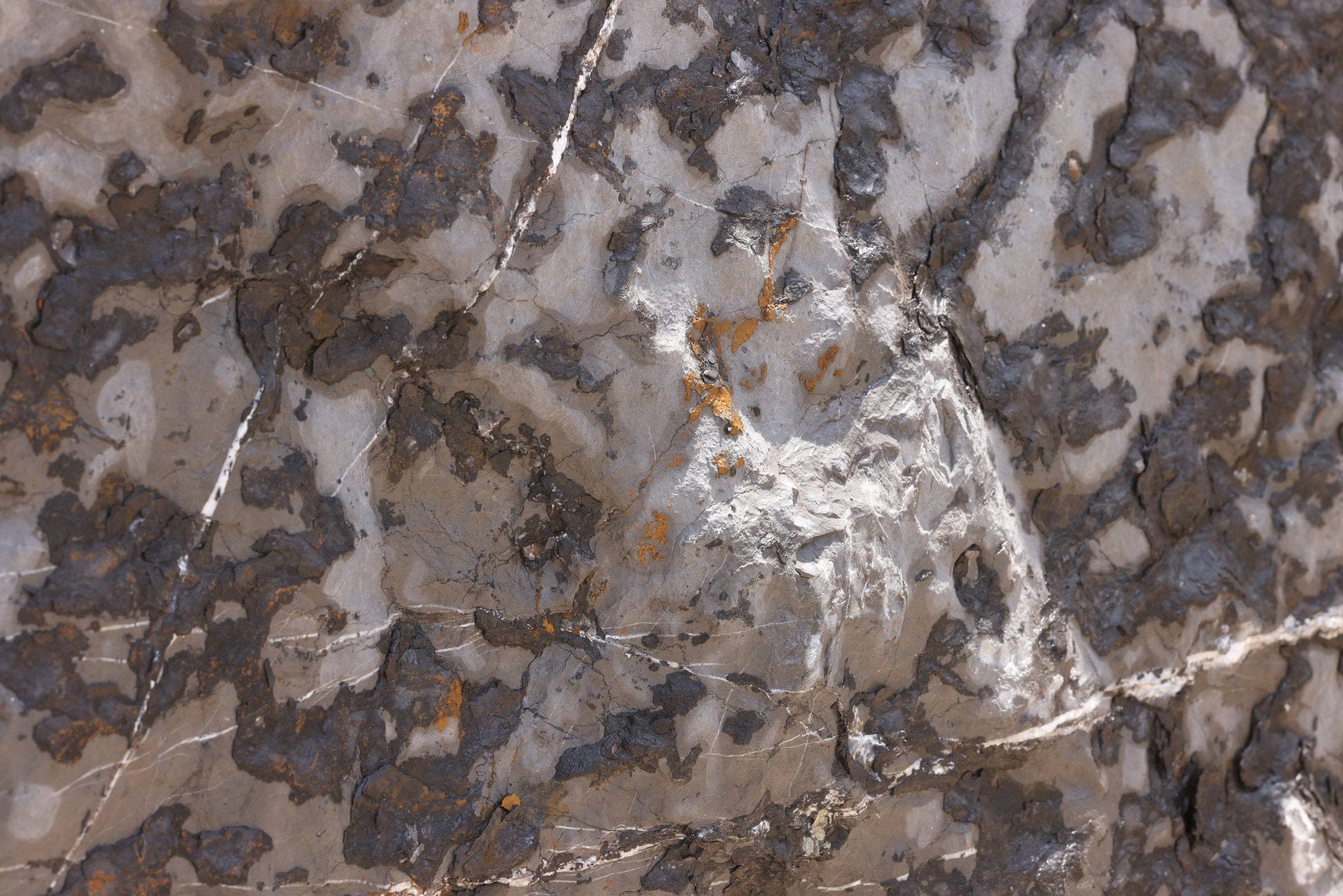
Marble is one of the oldest and most loved building stones in the world. It looks elegant, ages beautifully, and gives a space a sense of permanence and class. But to use it well you have to understand what it actually is — and what it is not. This guide sets out the real properties of marble, its honest advantages and limits, and where it performs best.
What is marble?
Marble is a metamorphic stone. It begins as limestone, and when that limestone is buried and subjected to heat and pressure deep in the earth, its minerals recrystallise into a denser, more compact stone. Marble is made up mainly of calcite — and sometimes dolomite — and it is these crystals, packed tightly together, that give a polished slab its glow. The coloured veins you see are traces of other minerals carried through the rock as it formed. No two slabs are ever quite the same.
Marble is often confused with travertine, but they are different stones. Travertine is a sedimentary limestone laid down around springs, and it is typically more porous than marble — its surface carries the small natural holes that have to be filled before polishing. Marble's metamorphic origin makes it denser and capable of a higher polish, while travertine reads as softer and more textured.
Physical characteristics of marble
Understanding marble's properties is the key to using it in the right place. It is a beautiful stone, but it is also relatively soft and reactive, and it should be specified with that in mind.
Main properties of marble
- Relatively soft: marble sits at roughly 3 on the Mohs scale, so it can scratch and scuff more readily than granite or quartzite.
- Naturally porous: marble absorbs liquids if left unsealed, which is why staining and sealing matter.
- Etches with acid: because it is calcite-based, contact with acids — lemon, vinegar, wine, many cleaning products — dulls and marks the surface.
- Not heat-proof: marble can be scorched or thermally shocked, so hot pans should never be set straight onto it.
- Takes a mirror polish: densely packed crystals let marble be honed to a soft matte or polished to a high, light-reflecting shine.
- Unique veining: every slab has its own pattern, so each installation is one of a kind.
None of this makes marble a poor choice — it has been used for thousands of years. It simply means marble should be sealed, cleaned with pH-neutral products, and matched to the right surface and the right finish.
Common uses of marble
Marble is remarkably versatile, which is why it appears in so much of the architecture and decoration we admire. From homes and villas to hotels, lobbies and places of worship, it is used both structurally and decoratively. You can explore the range in our collection.
Interior architecture
Indoors, where it is protected from the weather and from heavy abrasion, marble is at its best. It is widely used for:
- Interior wall cladding
- Feature walls and lobby areas
- Columns, arches and decorative detailing
- Corridor and staircase surrounds
Its natural veining and polished surface give indoor spaces a premium, timeless character that manufactured surfaces struggle to match.
Flooring
Marble flooring is a hallmark of luxury in both homes and commercial buildings. It works beautifully in lower-traffic, dry interior areas such as:
- Living rooms
- Hallways
- Bedrooms
- Reception areas
Note: for bathrooms and kitchens, marble can be used — but it should be properly sealed, and a honed (rather than high-gloss) finish is often safer underfoot when wet.
Staircases and steps
Marble is a classic choice for stairs, where its appearance and the way it wears in over time both add to the effect:
- Stair treads and risers
- Indoor stepping stones
- Decorative staircases in villas and hotels
Countertops, tables and furniture
Marble is also widely used on surfaces and in furniture, such as:
- Dining tables
- Coffee tables
- Bathroom vanity tops
- Side tables and benches
Marble looks elegant on a worktop, but remember it etches with acid and is not heat-proof — so use a cutting board, trivets and coasters, and have the surface professionally sealed. Many people accept a little patina as part of marble's character; if you prefer a flawless surface in a busy kitchen, a harder stone may suit you better.
Decorative and stone artefacts
Marble is not limited to buildings. Its workability makes it a favourite for decorative pieces, including:
- Fireplace surrounds
- Stone plaques and inlays
- Benches and pedestals
- Bespoke décor and artistic pieces
Alongside architectural marble, this kind of custom craftsmanship remains hugely popular — and it is one of the most rewarding ways to use offcuts and smaller blocks.
Marble colours
Marble is available in a wide range of colours, which lets designers and architects match almost any design concept. Among the most popular families are:
- White
- Grey
- Cream and beige
- Black
- Brown and chocolate
- Red and rose
White and cream marbles are especially popular in interiors because they reflect light and make a space feel brighter and more open. Darker and more dramatically veined marbles, by contrast, bring depth and presence to a feature wall or worktop.
Advantages of marble
Timeless and always in fashion. Marble has been used for thousands of years and has never lost its appeal. Its natural veining makes every slab unique, so each project feels individual.
Adds value and presence. When marble is used well, a room reads as considered and luxurious. Marble finishes are often seen as a strong selling point for premium properties.
Exceptional whites. The clean, bright whites of marbles such as Carrara, Calacatta and Statuario are difficult to match in any manufactured surface, which is why they remain a benchmark for high-end interiors.
Breadth of choice. Marble is quarried across the world in countless colours and patterns, so there is almost always a stone to suit the design and the budget.
A polish like glass. Polished marble takes on a mirror-like shine; light reflects off the crystal surface, making the stone appear even more beautiful.
Longevity when cared for. Marble buildings and monuments have stood for centuries. With sealing and sensible care, marble in a home can last a lifetime and beyond.
Limits to keep in mind
Marble has many strengths, but it is important to specify it honestly:
- It is acid-sensitive and will etch on contact with acidic foods and cleaners.
- It is relatively soft, so it can scratch and chip under heavy wear.
- It is porous and needs periodic sealing to resist staining.
- A high-gloss polish can be slippery underfoot when wet, so a honed finish is often better for floors and wet areas.
- It is not heat-proof, so hot pans should never be placed directly on it.
Choose marble with these points in mind — the right marble, finish and location for each surface — and it will reward you for decades.
Marble, chosen well
Marble remains one of the most sought-after natural stones in the world for its luxury, character and timeless design value. The key to a successful project is matching the right marble — and the right finish and thickness — to how each surface will actually be used.
Zein Group has been working with natural stone in Beirut since 1989, with a standing inventory of over 100 slabs. If you would like to see marble in person and talk through the right stone for your project, browse our collection or contact us and our team will be glad to help.
Frequently asked
- Is marble the same as limestone or travertine?
- No, although they are related. Marble starts as limestone but is recrystallised under heat and pressure into a denser, harder stone that takes a high polish. Travertine is a porous sedimentary limestone and is usually more porous than marble, with a softer, more textured look.
- Is marble heat-resistant and non-porous?
- No. This is a common misconception. Marble is naturally porous and is not heat-proof — hot pans can scorch or thermally shock it, so always use trivets and have the stone sealed. It also etches on contact with acids.
- How hard is marble?
- Marble sits at roughly 3 on the Mohs hardness scale, which makes it relatively soft compared with granite or quartzite. It can scratch and scuff, so it is best suited to lower-wear surfaces or used with care on busy ones.
- Does marble need sealing and special cleaning?
- Yes. Marble should be sealed periodically and cleaned only with pH-neutral products. Avoid acidic cleaners such as vinegar and lemon, which etch and dull the surface, and wipe up spills promptly.
See it in the showroom.
Browse over a hundred natural stones as full slabs in Beirut, or ask our team for guidance on your project.
Keep reading