Guides
How to Choose the Perfect Marble for Luxury Homes
20 January 2026 · 7 min read
Choose marble by matching it to the application and room, then to colour and veining, finish, durability and maintenance, and budget — and always view the full slab before you buy. Marble is a porous, acid-sensitive stone, so plan for sealing and pH-neutral care from the start.
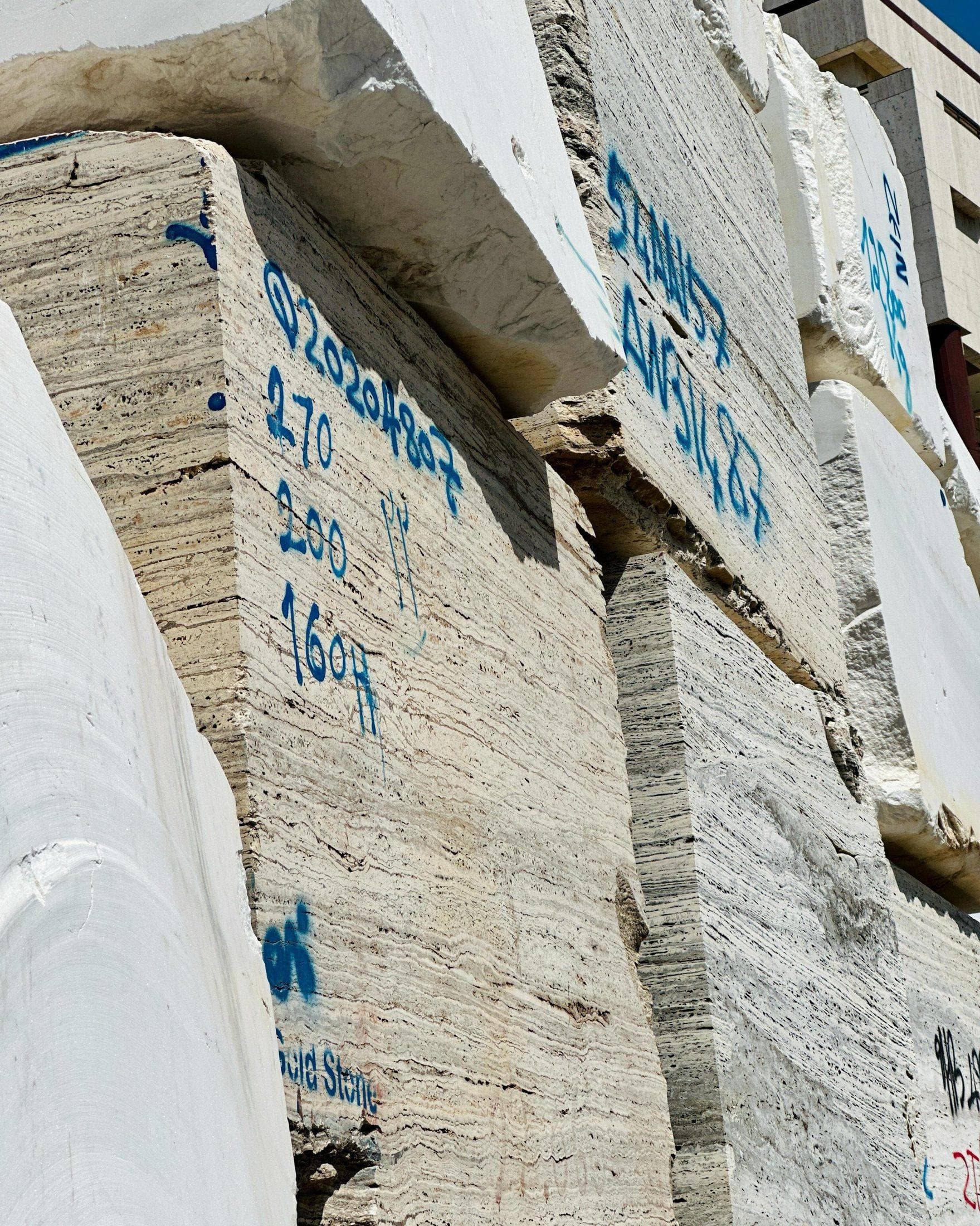
Marble has signalled prestige, craftsmanship and permanence for thousands of years, and in a luxury home it does more than decorate — it sets the tone of every room. But not all marble is right for every space, and the difference between a surface you love for decades and one you regret usually comes down to the choices you make before installation. At Zein Group we help homeowners, architects and builders choose marble that suits the way they actually live. This guide walks through how to do that, step by step.
What marble is — and why it matters
Marble is a metamorphic rock formed when limestone is recrystallised under heat and pressure, which is what gives it those flowing veins of mineral colour. It is also relatively soft (around 3 on the Mohs scale) and porous, which means two things you should plan for from the start: it can scratch, and it reacts to acids. Understanding this is not a reason to avoid marble — it is how you choose and care for it well.
- Every slab is unique: because marble is natural, no two pieces share the same veining — your surface is one of a kind.
- It feels cool and calm underfoot: marble holds a comfortable, stable temperature, which is welcome in a warm climate.
- It adds lasting value: a well-chosen marble surface reads as quality and elevates the whole room.
- It is versatile: floors, walls, stairs, vanities and feature panels are all within reach with the right selection.
- It suits any style: from a traditional Beiruti interior to a contemporary villa, marble belongs in both.
Step 1: Start with the application and room
The single most important question is where the marble will go. The same stone that is perfect on a feature wall may be the wrong choice on a busy kitchen counter. Match the marble to how hard the surface will be used.
- Flooring: choose a denser, harder marble and expect to seal it; high-traffic areas reward durability over delicate veining.
- Bathrooms: a honed or textured finish is safer underfoot when wet, and sealing protects against water and product staining.
- Kitchen worktops: marble can work beautifully, but it must be sealed and treated with care — acidic foods and spills will etch it if left.
- Walls and feature areas: here veining and drama matter most and wear matters least, so this is where you can be boldest.
Step 2: Choose colour and veining
Colour sets the mood of a room, and veining is the personality of the stone. Decide both with the whole space in mind, not just a small offcut.
- Light marbles — white, cream and pale grey — open a room up and make it feel larger and brighter.
- Warm beiges and creams read as soft and natural and blend easily with timber, brass and warm interiors.
- Dark and bold marbles bring depth and drama; used in measured amounts on walls, stairs or a powder room they feel rich rather than heavy.
- Veining: bold, continuous veining makes a statement; fine or subtle veining suits a calmer, more architectural look. To keep veins flowing across a wall or floor, the slabs must be selected and laid together.
Step 3: Pick the right finish
The finish changes both how marble looks and how it performs, so choose it for the surface, not by habit.
- Polished: a high-gloss, reflective surface that deepens colour and veining — beautiful for living-room floors and feature walls, though it shows etching more readily.
- Honed: a smooth matte finish that hides minor marks and is less slippery — a practical choice for floors and bathrooms.
- Leathered or brushed: a soft textured surface that disguises fingerprints and light wear, suited to worktops and high-touch areas.
- Natural or tumbled: a more textured, slip-resistant finish that is best for outdoor terraces and wet zones.
Step 4: Weigh durability and maintenance honestly
Not every marble is equally hard, and being honest about maintenance up front prevents disappointment later. A denser stone with fewer natural fissures will wear better in a high-traffic space, while a more delicate, heavily veined marble belongs somewhere it will be admired rather than abused. The right answer depends entirely on the room.
Because marble is porous and acid-sensitive, all of it benefits from professional sealing and gentle ongoing care. Here is how to look after it correctly:
- Seal it on installation and re-seal periodically; sealing slows staining and buys time to wipe up spills.
- Wipe spills promptly, especially anything acidic — wine, fruit juice, coffee and citrus — before they have time to react with the stone.
- Clean with pH-neutral products made for natural stone, and use a soft cloth rather than abrasive pads.
- Avoid acids entirely — lemon, vinegar and harsh or generic cleaners etch marble, leaving dull marks that no amount of polishing returns.
Marble does not demand perfection — it asks for promptness. Wipe the spill, skip the acid, and it will stay beautiful for generations.
Step 5: Be clear about budget — qualitatively
Marble spans a wide range of price, driven mainly by rarity, colour and the drama of the veining rather than by quality alone. A common, evenly veined marble can be both stunning and accessible, while a rare book-matched statement slab sits at the top of the range. Decide where to spend by impact: invest in the one surface everyone will see and remember, and choose calmer, more affordable stone for the supporting spaces. Tell us your budget early and we will guide you to the right tier honestly.
Step 6: Always view the full slab before you buy
This is the rule that protects every other decision. A small sample cannot show you how veins flow, how colour shifts across a slab, or how two pieces will book-match on your wall. Marble is natural and variable, so the only reliable way to choose is to see the full slab in person. At our Beirut showroom you can walk among 100+ stones, view complete slabs under proper light, and select the exact piece that will become part of your home.
Marble in luxury interiors
Used well, marble organises a space and lifts everything around it.
- Living and reception areas: large-format marble floors feel open, calm and unmistakably premium.
- Staircases and entrances: marble gives a home a sense of arrival and a finished, considered look.
- Modern villas: the soft texture of pale marble reads as quiet luxury against clean, simple lines.
- Traditional interiors: marble pairs beautifully with timber, brass and handcrafted detail.
Why choose Zein Group
Founded in Beirut in 1989, Zein Group (Zein Marble) is a trusted house of premium natural stone. What sets our guidance apart is that we help you decide, not just buy:
- We curate genuinely high-quality marble and stand behind every slab.
- We advise honestly on which stone suits each room, finish and level of use.
- We help keep colour and veining consistent across a project from start to finish.
- We work with villas, apartments, hotels and commercial spaces alike.
Our focus is not simply selling marble — it is helping you make choices that still feel right years later.
Choosing the perfect marble
Choosing marble for a luxury home is a balance of beauty, durability and everyday practicality. Work through it in order — application, colour and veining, finish, durability and maintenance, budget — and always see the full slab before you commit. Do that, and your marble becomes not just something to look at but something that makes the home feel calm, considered and yours. Explore our marble collection, or contact us and our team will match the right stone to the way you live.
Frequently asked
- What is the most important factor when choosing marble?
- Start with where the marble will go. Matching the stone to the application — floor, bathroom, kitchen worktop or feature wall — drives every other choice, because durability needs and acceptable maintenance differ completely from one surface to the next.
- Can I use marble in a kitchen?
- Yes, but go in with eyes open. Marble is porous and acid-sensitive, so a kitchen worktop must be sealed and spills — especially citrus, wine and coffee — wiped promptly. Many people love the patina marble develops; if you prefer a pristine surface, choose a more forgiving stone for the busiest areas.
- How do I clean and care for marble?
- Seal it on installation and re-seal periodically, clean with pH-neutral products made for natural stone, and wipe spills quickly. Never use lemon, vinegar or harsh acidic cleaners — they etch marble and leave dull marks that polishing cannot reverse.
- Why should I see the full slab before buying marble?
- Because marble is natural and varies across a single slab, a small sample cannot show how the veins flow or how two pieces will book-match. Viewing the full slab in person — as you can at our Beirut showroom — is the only reliable way to choose the exact piece for your home.
See it in the showroom.
Browse over a hundred natural stones as full slabs in Beirut, or ask our team for guidance on your project.
Keep reading