Guides
Chinese Marble in Lebanon: A Practical Sourcing Guide | Zein Group
15 April 2026 · 5 min read
Chinese marble is a genuine value option for Lebanese projects: quarries across China produce well-regarded whites, greys, greens and beiges that cost noticeably less than premium Italian stone. The trade-off is consistency — quality varies widely by quarry and block, so the supplier you choose matters as much as the country of origin. Zein Group supplies inspected marble from China, Italy and beyond from our Beirut showroom.
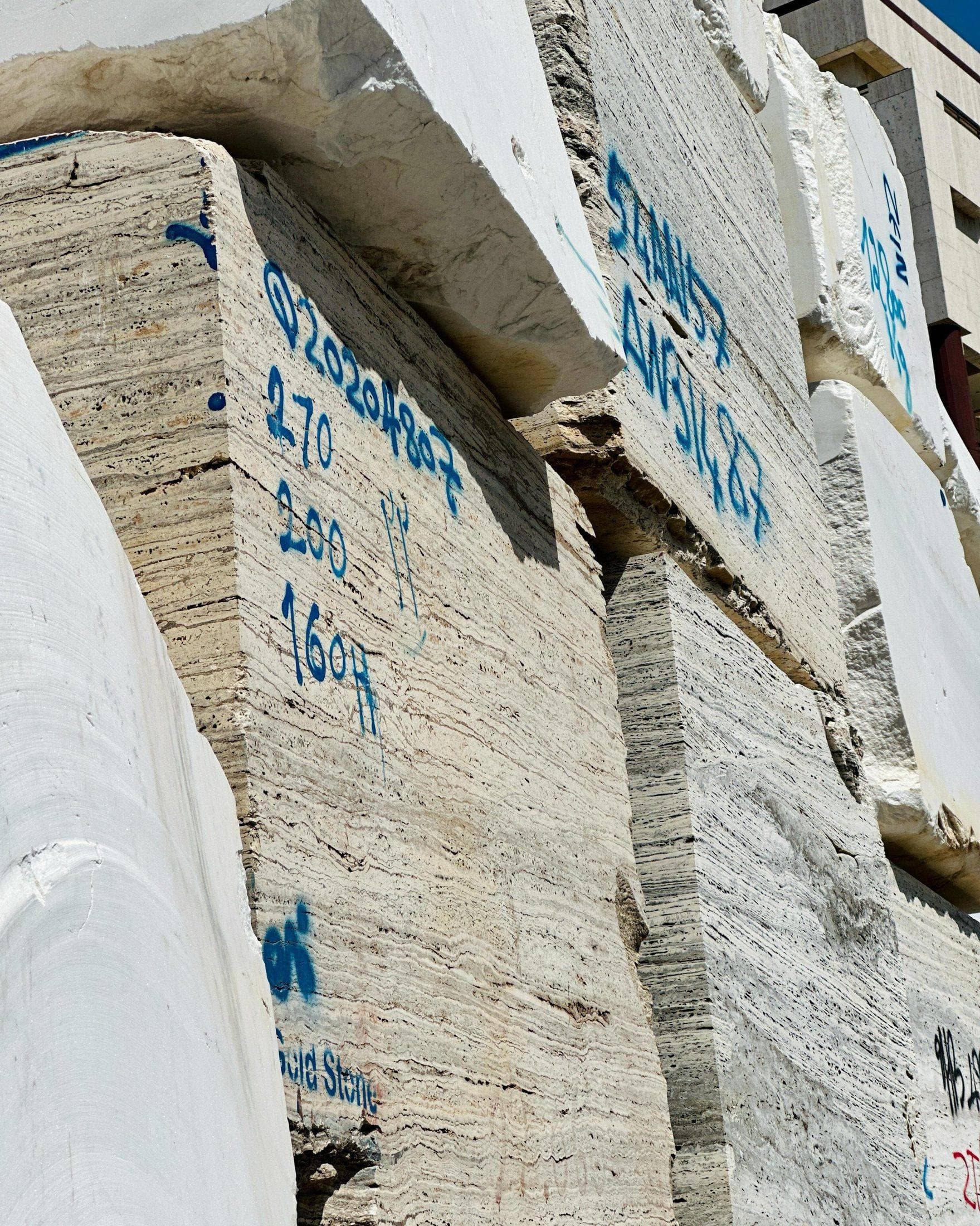
When most people in Lebanon picture marble, they picture Italy — Carrara, Calacatta, Statuario. Those stones earned their reputation. But Italy is only one source on a global map, and over the last two decades China has become one of the largest producers and exporters of natural stone in the world. For a Lebanese villa, hotel or commercial fit-out working to a budget, Chinese marble is worth understanding properly rather than dismissing.
This guide explains what Chinese marble actually is, where it offers real value against Italian stone, and the quality questions to ask before you commit. At Zein Group we supply inspected marble from China, Italy and other origins, so our interest is in matching the right stone to your project — not in selling one country over another.
First, what marble actually is
Marble is a metamorphic rock: limestone recrystallised under heat and pressure until it becomes the dense, veined stone we use for floors, walls, stairs and vanities. That definition is the same whether the limestone was buried in Tuscany or in Yunnan. Country of origin does not change the geology — it changes which colours and patterns are available, and how the stone is quarried, cut and finished. So "Chinese marble" is not a single material; it is a large family of marbles from many different quarries, each with its own character.
What Chinese marble offers
China quarries marble in a wide range of colours, and several have become well known in the international trade. You will commonly see:
- Whites and pale greys — bright, clean marbles often used as a value alternative to Italian whites for floors and cladding.
- Greens — China is one of the major sources of green marble, prized for feature walls and bold interiors.
- Beiges and creams — warm, neutral stones that suit both classic and contemporary Lebanese interiors.
- Dark and dramatic marbles — deeper greys and blacks with strong veining for statement surfaces.
Beyond colour, the practical appeal is scale. Large quarries and modern factories mean good availability, competitive pricing and the ability to supply the larger volumes a hotel or apartment block needs. You can browse the range of marble we stock in our collection.
Value versus Italian marble
The honest comparison is this: premium Italian marbles such as Calacatta and Statuario remain the benchmark for rarity and prestige, and they are priced accordingly. Chinese marble generally costs less — sometimes considerably less — for a comparable colour and finish. For many projects, that difference is the deciding factor.
Where Chinese stone wins is value: a clean white floor, a large run of cladding, or a high-volume commercial job where the budget will not stretch to Italian material. Where Italian stone still wins is at the top end — the specific veining of a Calacatta block, or a client who wants a name as much as a stone. Neither is simply "better". The right answer depends on the room, the use and the budget, and a good supplier will tell you so plainly.
Origin tells you where a stone was quarried — not whether it is right for your project. The block in front of you, and who inspected it, matters far more than the country on the invoice.
The quality question — and why it matters most
The real risk with Chinese marble is not the country; it is consistency. Because so many quarries supply the market, quality varies widely from one source — and even one block — to the next. A poorly chosen slab can arrive with weak veining prone to cracking, an uneven finish, or colour that does not match the sample. These are the problems that give imported marble a bad name, and they are almost always a sourcing failure, not a flaw in the stone itself.
This is why the supplier matters more than the origin. Before you buy marble from China — or anywhere — it is worth checking:
- Inspection — was the actual block or slab inspected before shipment, or bought blind from a photograph?
- Consistency — will the slabs for your project come from the same block or batch, so colour and veining match across a floor or wall?
- Finish — is the polish or honing even, and is the thickness uniform across every slab?
- Honest grading — is the supplier clear about where a stone sits in quality, rather than overselling it?
How Zein Group sources marble for Lebanon
We have supplied stone to Lebanese projects since 1989, and we treat origin as one input among many. We work with marble from China, Italy and other quarrying regions, and we inspect what we bring in rather than buying sight unseen. That means we can put a value-focused Chinese white and a premium Italian white in front of you and explain, honestly, where each makes sense for your project and your budget.
Our Beirut showroom holds more than 100 slabs across marble, onyx, travertine and other natural stone, so you can see full slabs in person before deciding — the only reliable way to judge colour, veining and finish. For contractors and designers working to a schedule, supplying from a single inspected source also keeps a project consistent from the first slab to the last.
Choosing well
Chinese marble deserves a place in the Lebanese market. It opens up colours and price points that put natural stone within reach of more projects, and at its best it is beautiful, durable and entirely fit for purpose. The decision that actually protects your project is not Chinese versus Italian — it is choosing a supplier who inspects the stone, tells you the truth about it, and stands behind what they deliver.
If you are planning a project and weighing your options, come and see the difference for yourself at our Beirut showroom, or contact us to talk through which stone — and which origin — fits what you are building.
Frequently asked
- Is Chinese marble good quality?
- It can be excellent, but quality varies widely by quarry and by block, so consistency depends heavily on the supplier rather than the country. Inspected, well-chosen Chinese marble is durable and beautiful; blindly bought stone is where problems arise. Always buy from a supplier who checks the actual slabs before shipment.
- Is Chinese marble cheaper than Italian marble?
- Generally yes. For a comparable colour and finish, Chinese marble usually costs less than premium Italian stones such as Calacatta or Statuario, which is why it is a popular value option for floors, cladding and higher-volume projects. Prices for both vary with colour, rarity and grade.
- What types of marble come from China?
- China produces a broad range, including bright whites and pale greys often used as alternatives to Italian whites, well-known greens, warm beiges and creams, and darker dramatic marbles. Because it is a large producer, availability and slab sizes are good for bigger jobs.
- Can I see the marble before I buy it in Lebanon?
- Yes. At the Zein Group showroom in Beirut you can view full slabs in person, which is the only reliable way to judge colour, veining and finish before committing. Contact us to arrange a visit or to discuss which stone suits your project.
See it in the showroom.
Browse over a hundred natural stones as full slabs in Beirut, or ask our team for guidance on your project.
Keep reading