Guides
How to Choose Marble for a Home in Lebanon | Zein Group
18 December 2025 · 7 min read
Choose marble by where it will live. Match the stone to the room and how hard the surface will work: dense, tighter-veined marbles in honed finishes for kitchens and bathrooms, and bolder, more dramatic stones for feature walls and fireplaces that see little wear. Marble is a metamorphic stone — beautiful and timeless, but porous and acid-sensitive — so finish, sealing and everyday care matter as much as colour.
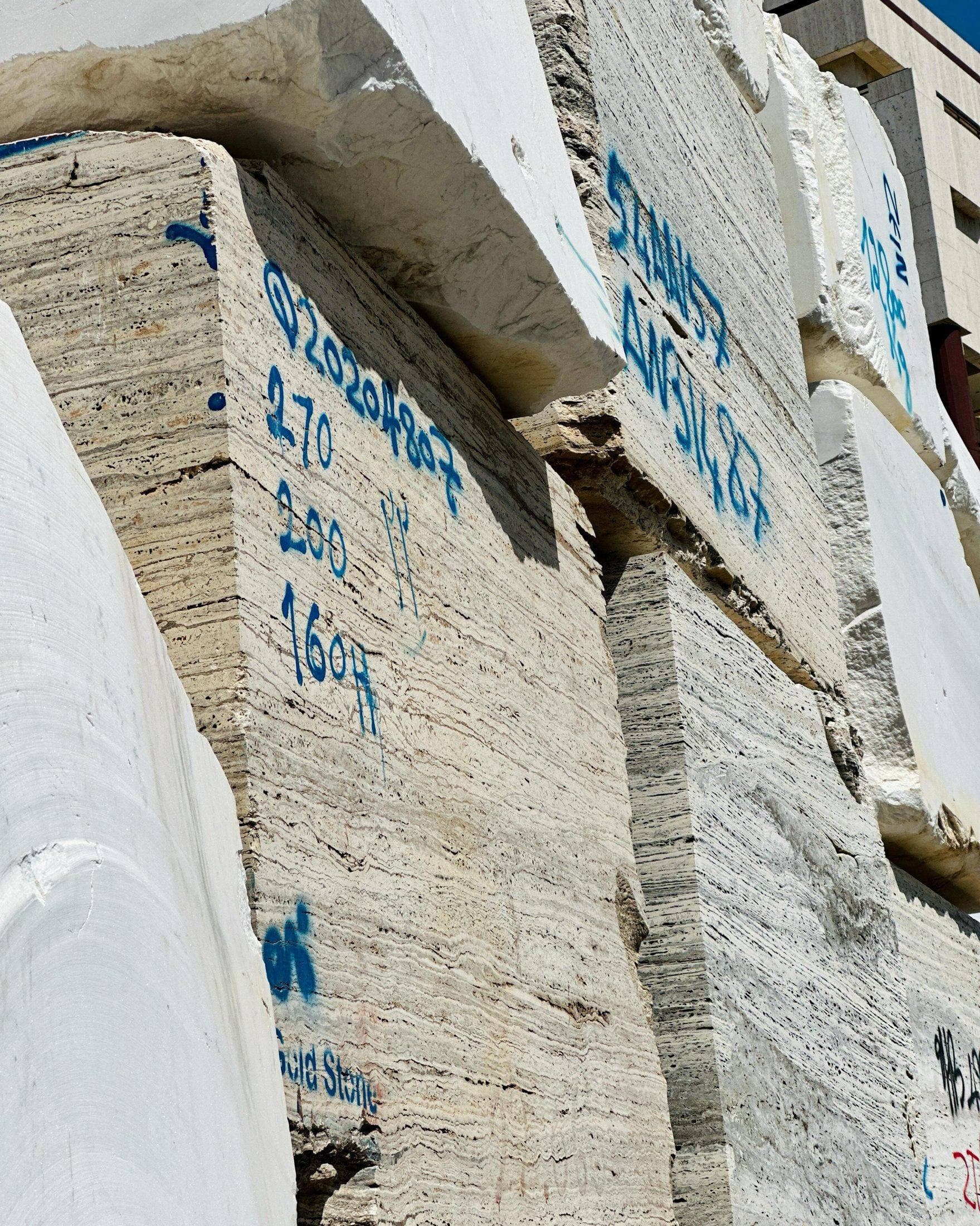
Marble brings a depth and warmth to a home that no manufactured material can match — every slab is a one-off, formed over millions of years. But that natural character is also why choosing well takes a little knowledge. Colour, veining, finish and the way a stone wears all change how a marble performs once it is living in your home. This guide walks through how to choose marble for a Lebanese home, room by room.
First, a word on what marble actually is. Marble is a metamorphic rock formed when limestone recrystallises under heat and pressure. It is relatively soft (around 3 on the Mohs scale), porous, and — being calcite-based — it reacts to acids, so lemon, vinegar and wine can leave a dull mark called an etch. None of this should put you off. It simply means the right choice is the one matched to how a surface will be used.
Start with the room and how it will be used
The single most useful question to ask before you fall in love with a slab is: where is this going, and how hard will it work? A bathroom vanity, a busy kitchen island and a feature wall make completely different demands on a stone. Decide that first, and the rest of the choices — colour, finish, maintenance — follow naturally.
Kitchen worktops and islands
Kitchens are the hardest test for any marble. In a Lebanese home, where cooking is central to daily life, a worktop meets heat, knives, oil and acidic foods every day. Marble can absolutely work here — many of the world's most beautiful kitchens are marble — but go in with eyes open and lean toward denser, more forgiving stones.
- Choose a denser, harder-wearing marble with tighter, more even veining.
- Favour a honed (matte) finish — etches and fine scratches are far less visible than on a polished surface.
- Seal the stone on installation and re-seal periodically; wipe spills quickly, especially anything acidic.
- If you want marble's look with less daily worry, ask us about harder alternatives such as quartzite for the busiest surfaces.
Bathrooms and vanities
Bathrooms are gentler on stone than kitchens but bring their own concern: water. Because marble is porous, the priority here is a stone that absorbs little and a finish that handles moisture well.
- Look for lower water absorption and a stable, consistent surface.
- A honed finish reads soft and contemporary, hides water marks better, and is less slippery underfoot than polished.
- Watch for acidic bathroom and cleaning products — use only pH-neutral cleaners on marble.
Floors, staircases and cladding
For floors and stairs, durability and underfoot comfort lead the decision. Polished marble is striking in a formal entrance or reception, but it shows wear and can be slippery; a honed finish is the more practical choice in high-traffic and wet areas. Wall cladding is one of marble's easiest applications — it takes no abuse, so you are free to choose almost entirely on looks.
Fireplaces, feature walls and statement pieces
This is where you can be bold. A feature wall, a fireplace surround or a reception backdrop carries no daily wear and tolerates no chopping or splashing, so durability stops being the constraint. Here you can choose the most dramatic stone in the showroom — strong contrast, sweeping veins, a real sense of theatre — and let it become the focal point of the room.
Reading colour, veining and movement
Because no two slabs are identical, understanding veining is how you match a stone to the character of a space. Broadly, marble falls into two moods.
Subtle veining — soft lines, gentle clouding, low contrast — feels calm, modern and quietly European. It rarely dates and works beautifully across whole rooms and larger surfaces, which makes it a safe, elegant choice for apartments and contemporary villas.
Dramatic veining — bold movement, strong contrast, large sweeping lines — turns a slab into a piece of art. It is best used as a deliberate highlight: a single luxury kitchen island, a feature wall, a reception area or a boutique commercial space, where one strong gesture is exactly what the room needs.
Tone matters too. Warm tones (creams, beiges, soft golds) create a cosy, classic feel that suits Mediterranean and traditional Lebanese interiors. Cool tones (whites, greys, blue-greys) read clean and modern, and are very popular in contemporary Lebanese homes today. A good rule is to let the stone's temperature follow the mood you want the room to have.
Choosing a finish: polished, honed or brushed
Finish changes both how marble looks and how it performs, so it is a decision in its own right rather than an afterthought.
- Polished — a reflective, glossy surface that deepens colour and makes veining sing. Ideal for walls, formal areas and statement pieces; less forgiving of etches and scratches on worktops and floors.
- Honed — a smooth matte surface. It softens the look, hides fine scratches and etch marks, and is the more practical finish for kitchens, bathrooms and busy floors.
- Brushed / leathered — a lightly textured surface that gives the stone a deeper, more natural, tactile character. It suits rustic and organic schemes and is less slippery underfoot.
Durability, maintenance and living with marble
Marble naturally varies in density, porosity and water absorption from one type to another, which is why use should always steer the choice. Set realistic expectations and marble rewards you for decades; ignore its nature and it will frustrate you.
- Seal marble on installation and re-seal periodically — sealing slows staining but does not make the stone acid-proof.
- Clean only with pH-neutral products; avoid vinegar, lemon, bleach and abrasive scrubs, all of which etch the surface.
- Blot spills quickly, especially wine, citrus, coffee and oil.
- Accept that a worktop will develop a soft patina over time — for many people this lived-in character is part of marble's appeal, not a flaw.
Thinking about budget
Marble spans a wide range of price points, and the most expensive slab is not automatically the right one for your project. A few honest principles help you spend well:
- Rarity drives cost. Classic whites with bold, sought-after veining sit at the top; many beautiful, well-priced marbles offer a similar feel for less.
- Spend where it shows. A single dramatic slab on a feature wall or island gives more impact per lira than spreading a premium stone thinly across a whole house.
- Factor in fabrication and care, not just the slab. Cutting, finishing, sealing and long-term maintenance are part of the real cost of any stone.
- Bring your budget to the showroom early. It lets us point you to stones that deliver the look you want within what you want to spend, rather than the other way round.
See it in person before you decide
Marble is a material that has to be seen in the flesh. Lebanese homes mix natural daylight, warm indoor lighting and cooler LED, and a slab can look like a different stone under each. Before committing, view your shortlist in natural daylight, under warm light and under cool light, and check how the veining and tone shift.
There is no substitute for standing in front of full slabs. Seeing pieces side by side lets you compare grain and consistency, study how the veining moves, feel the finishes, and judge how each option suits your project. At our Beirut showroom — more than 100 slabs across whites, greys, golds and greens — you can do exactly that, with our team to guide you.
Choosing your marble with Zein Group
Founded in Beirut in 1989, Zein Group (Zein Marble) has spent decades helping clients across Lebanon and the Lebanese diaspora choose stone that looks beautiful, performs in daily life and ages with grace — from kitchen worktops and bathroom vanities to fireplaces, flooring and statement feature walls.
Browse our marble collection to start narrowing down colour and character, then contact us or visit the showroom to see your shortlist in full slab. With the right guidance, the ideal stone is far easier to find than it looks.
Frequently asked
- Can I use marble for a kitchen worktop in Lebanon?
- Yes. Marble works in kitchens when you choose a denser stone, opt for a honed finish, keep it sealed and wipe acidic spills quickly. If you want a near-worry-free surface, ask us about harder alternatives such as quartzite for the busiest areas.
- Polished or honed — which finish should I choose?
- Polished gives a glossy, reflective surface that deepens colour and is ideal for walls and formal areas. Honed is a softer matte finish that hides fine scratches and etches, making it the more practical choice for kitchens, bathrooms and busy floors.
- Does marble stain and etch easily?
- Marble is porous and acid-sensitive, so it can stain and etch if neglected. Sealing it, cleaning with pH-neutral products, and blotting spills quickly keeps it looking its best. A soft patina over time is normal and, for many owners, part of marble's charm.
- Can I see the marble before I commit?
- Absolutely — we encourage it. Marble looks different under daylight, warm light and LED, so viewing full slabs in person is the only reliable way to choose. You can see more than 100 slabs at our Beirut showroom with our team to guide you.
See it in the showroom.
Browse over a hundred natural stones as full slabs in Beirut, or ask our team for guidance on your project.
Keep reading