Care & Maintenance
What Cleaning Products Are Safe for Marble?
8 April 2026 · 2 min read
Clean marble only with a pH-neutral stone cleaner or a few drops of mild dish soap in warm water, applied with a soft cloth. Never use vinegar, lemon, bleach or general-purpose sprays — their acids etch the surface and leave dull marks. Blot spills immediately and reseal periodically.
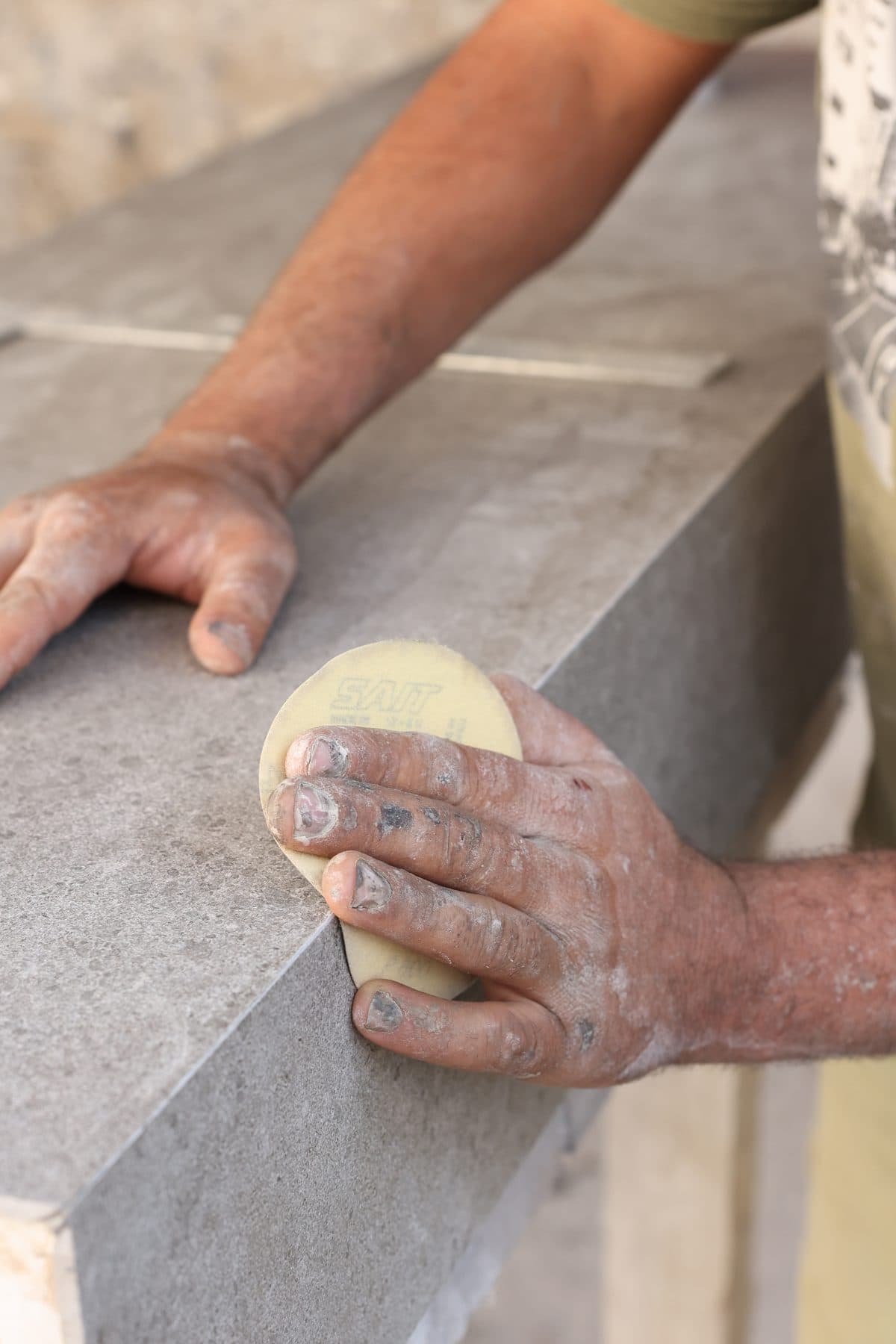
Marble is one of the most forgiving stones to live with and one of the easiest to damage with the wrong cleaner. The problem is chemistry: marble is calcium-based, so any acid — even a natural one — reacts with the surface and leaves a dull etch mark. The good news is that safe cleaning is simple and cheap.
What is safe to use on marble
- A pH-neutral stone cleaner — the safest everyday option, formulated specifically for natural stone.
- Warm water with a few drops of mild dish soap — perfectly good for routine cleaning when you don't have a stone cleaner.
- A soft microfibre cloth or sponge — to wipe and dry, never an abrasive scourer.
- A dedicated marble polish or sealer — applied periodically to protect and refresh the surface.
What to never use on marble
- Vinegar and lemon — common 'natural' cleaners that are acidic and will etch marble on contact.
- Bleach and ammonia — harsh and can discolour or dull the stone over time.
- General-purpose and bathroom sprays — most contain acids or abrasives not meant for stone.
- Abrasive powders or scouring pads — they scratch the polish.
How to clean marble, step by step
- Wipe up spills immediately — especially wine, juice, coffee and anything acidic — by blotting, not rubbing.
- Mix warm water with a pH-neutral cleaner (or a little mild dish soap).
- Wipe the surface gently with a soft, damp cloth.
- Rinse with clean water to remove any residue.
- Dry with a soft cloth to avoid water spots.
Dealing with etches and stains
An etch is a dull spot where acid has eaten the polish; a stain is a discolouration where liquid has soaked in. Light etches can sometimes be buffed with a marble polishing powder. Deep stains may need a poultice, and serious dullness needs professional re-polishing. If a floor or worktop has lost its shine across a whole area, our installation and maintenance team can restore it.
The best protection is sealing
A good impregnating sealer slows down how quickly liquids penetrate, buying you time to wipe spills before they stain. It does not make marble bulletproof, but it makes daily life much more relaxed. Reseal periodically — roughly once a year for busy surfaces — and your marble will look considered for decades. Browse our marble collection or visit the showroom to see how different finishes wear.
Frequently asked
- Can I use vinegar to clean marble?
- No. Vinegar is acidic and will etch marble, leaving permanent dull marks. Use a pH-neutral stone cleaner or mild dish soap and warm water instead.
- What is the safest everyday cleaner for marble?
- A pH-neutral cleaner made for natural stone is safest. If you don't have one, a few drops of mild dish soap in warm water, wiped with a soft cloth and dried, is fine for routine cleaning.
- How do I remove a stain from marble?
- Blot fresh spills immediately. For set-in stains, a stone poultice can draw out the discolouration; etches may need polishing. Stubborn cases are best handled by a stone-care professional.
- How often should marble be sealed?
- Roughly once a year for busy surfaces like kitchen worktops and floors, and less often for low-use areas. A simple water test — if water no longer beads — tells you it's time to reseal.
See it in the showroom.
Browse over a hundred natural stones as full slabs in Beirut, or ask our team for guidance on your project.
Keep reading