Care & Maintenance
Sustainable Luxury: Why Natural Stone Lasts | Zein Marble
4 February 2026 · 5 min read
Natural stone is one of the most sustainable luxury materials in architecture because it lasts for generations, can be repaired and refinished rather than thrown away, and carries a low embodied impact compared with manufactured surfaces. It does weather and wear — slowly — but it ages gracefully and can be restored, which is exactly why it endures.
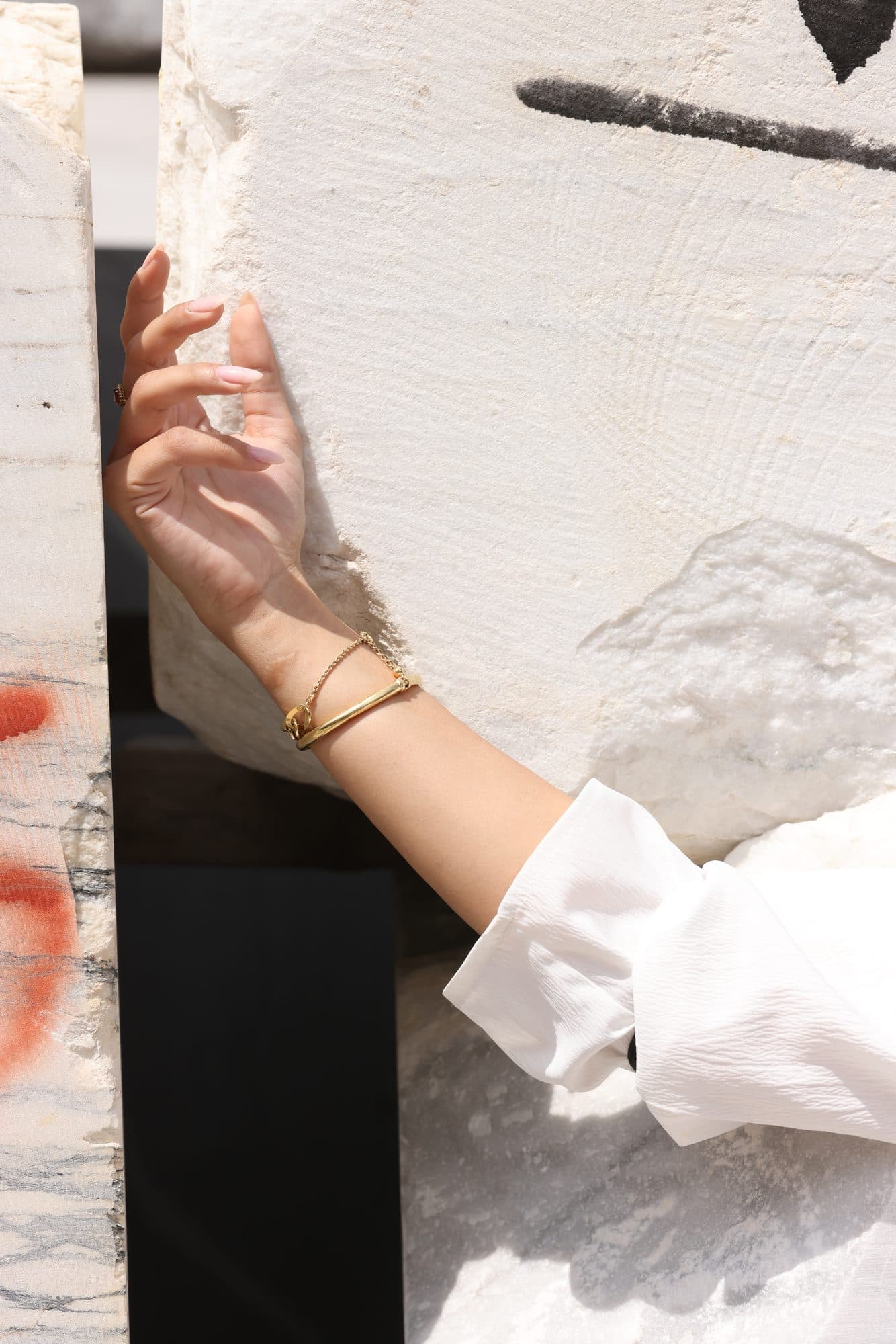
The most sustainable material is often the one you never have to replace. Natural stone has been quarried, cut and built with for thousands of years, and much of it is still standing — floors worn smooth by footsteps, columns weathered by sun and rain, yet entirely intact. That longevity is the heart of what makes stone a genuinely sustainable luxury, rather than a fashionable one. At Zein Group we have supplied stone from Beirut since 1989, and the slabs we sell are chosen to outlast the rooms they are installed in.
What "sustainable luxury" actually means in stone
Luxury and sustainability are sometimes treated as opposites, but with natural stone they point in the same direction. A truly sustainable material is one that lasts a long time, can be maintained instead of discarded, and does not depend on a heavy chain of manufacturing to exist. Stone meets all three tests. The honest version of the story is not that stone is indestructible — it isn't — but that it is exceptionally durable, repairable, and timeless enough that no one wants to rip it out in a decade.
Longevity: the case for building with stone
Most of a surface's environmental cost is decided the moment it is replaced. A material that lasts fifty or a hundred years quietly avoids every replacement — and every offcut, delivery and disposal that comes with it. Natural stone is one of the few interior materials that comfortably reaches that timescale:
- Generational lifespan: Marble, granite, limestone and quartzite routinely outlast the buildings they sit in, and are often salvaged and reused.
- Minimal processing: Stone is quarried, cut and finished — not synthesised. It does not need to be manufactured from binders, resins or plastics.
- Reusable and recyclable: Slabs can be re-cut, repurposed or, at end of life, crushed into aggregate rather than sent to landfill.
- Inert and low-emission: Solid natural stone does not off-gas volatile compounds, so it stays safe indoors and out across its long life.
Does natural stone weather and wear? Yes — slowly
It is worth being honest about this, because some marketing overstates it. Stone is not indestructible. It does weather and wear: marble and limestone can etch when acids touch them, polished finishes dull under heavy foot traffic, and outdoor stone slowly softens and patinates with sun, rain and frost. The crucial difference is the rate and the remedy. Stone changes over decades, not seasons — and almost everything that happens to it can be undone.
A scratched or dulled marble floor can be honed and re-polished back to life. An etched worktop can be refinished in place. A chipped edge can be filled or re-dressed. Compare that with a laminate, an engineered panel or a printed surface, which fails by delaminating, scorching or fading — damage you cannot repair, only replace. That repairability is what turns slow wear from a weakness into a strength.
Ageing gracefully versus failing suddenly
Disposable materials tend to look their best on day one and decline from there until they are thrown out. Natural stone does the opposite: it develops a patina. The soft wear on a stone threshold or the gentle sheen on an old marble stair is read as character, not damage. A material that improves with age — and can be restored when it needs it — is the definition of a long-term, low-waste choice.
Responsible sourcing
Durability only counts as sustainability if the material is sourced responsibly in the first place. The footprint of stone depends largely on how far it travels and how it is extracted, so the questions that matter are practical ones: where was the block quarried, how was it transported, and how much of it is actually used rather than wasted as offcut.
- Established quarries: Stone drawn from reputable, well-managed quarries with predictable quality and accountable practices.
- Efficient yield: Selecting and cutting slabs to minimise waste, and keeping usable offcuts for smaller pieces rather than discarding them.
- Careful fabrication and installation: Good cutting and fitting means a surface lasts its full lifespan instead of failing early and being replaced.
You can see the range of stone we hold in our collection, and every slab in our Beirut showroom is a full piece you can inspect before you commit.
Timelessness is a sustainability strategy
The greenest surface is the one that never goes out of style enough to be torn out. Trend-led materials get replaced when fashions move on; natural stone reads as timeless precisely because it has been used for centuries and never looks dated. A stone floor or façade chosen well today is unlikely to be ripped out in ten years — and avoiding that future replacement is worth more, environmentally, than any single specification on day one.
Choosing stone with the long view in mind
Sustainable luxury is, in the end, a long-term decision. Choose a durable, responsibly sourced stone; install it well; maintain it with simple, pH-neutral care; and refinish it rather than replace it when it needs attention. Done that way, a single slab can serve a home or a building for generations — which is the most sustainable outcome any material can offer.
If you would like help selecting a stone for a project — and matching the right material to how the surface will actually be used — contact us. We are happy to talk through longevity, finish and care before you decide.
Frequently asked
- Is natural stone really a sustainable material?
- Yes, in the practical sense that matters most: it lasts for generations, is minimally processed, can be repaired and refinished instead of replaced, and is inert and recyclable at end of life. Its biggest sustainability win is simply that you rarely need to throw it away and start again.
- Does natural stone weather or wear out?
- It does, but slowly. Marble and limestone can etch from acids, polished finishes dull under heavy use, and outdoor stone patinates over years of sun and rain. The key point is that this wear is gradual and, in most cases, repairable — surfaces can be honed, re-polished or re-dressed rather than discarded.
- Can damaged or worn stone be restored?
- Usually, yes. A dulled or scratched marble floor can be honed and re-polished, an etched worktop can be refinished in place, and chips can often be filled or re-dressed. This repairability is a major reason stone is more sustainable than materials that can only be replaced when they fail.
- How does Zein Group source its stone responsibly?
- Our slabs come from established, well-managed quarries, and we select and cut to minimise waste while keeping usable offcuts for smaller pieces. Careful fabrication and installation then ensure each surface reaches its full, long lifespan rather than failing early.
See it in the showroom.
Browse over a hundred natural stones as full slabs in Beirut, or ask our team for guidance on your project.
Keep reading