Design
Types of Marble: A Guide to the Best for Luxury Interiors
8 December 2025 · 6 min read
Marble is a metamorphic stone prized for its veining and depth, used for floors, walls, vanities and feature surfaces. The classic luxury choices are the Italian whites — Carrara, Calacatta and Statuario — alongside Spanish browns and beiges such as Emperador and Crema Marfil, and dramatic blacks like Nero Marquina. Choosing the right one comes down to colour, how the surface will be used, and the right care.
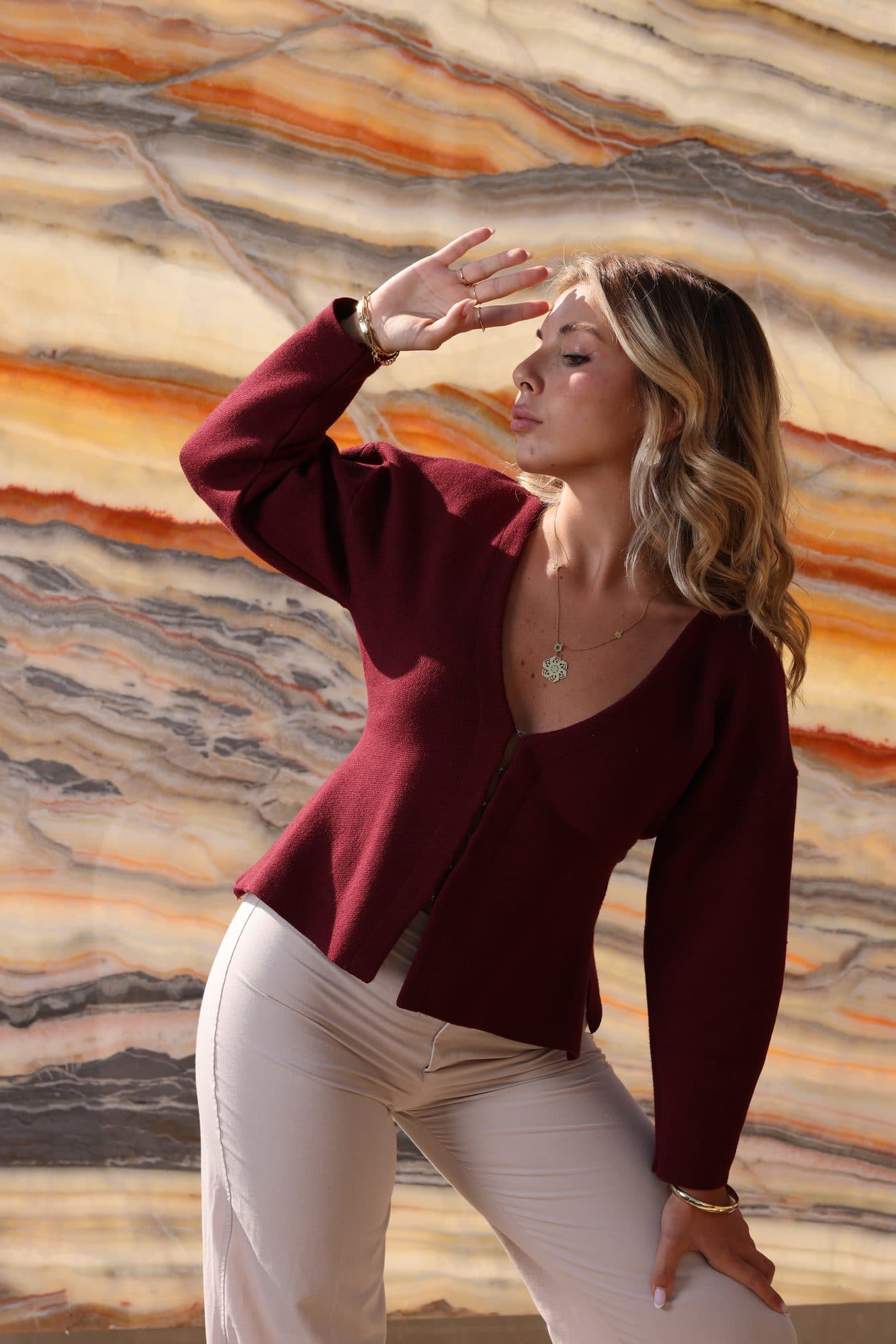
Marble has been a symbol of luxury and timeless elegance for centuries, and it remains the material of choice for the finest homes, villas and hospitality interiors. Whether you are renovating an apartment in Beirut, finishing a family villa, or specifying a hotel lobby, choosing the right type of marble shapes both the beauty and the longevity of the space. This guide walks through the differences that matter and the marbles most worth knowing.
What marble actually is
Marble is a metamorphic rock formed when limestone is recrystallised under heat and pressure deep in the earth. That process gives marble its flowing veins and its ability to take a high, mirror-like polish. It is a relatively soft stone — around 3 on the Mohs scale — and it is porous and calcite-based, which means it can scratch, stain and etch when it meets acids such as lemon, vinegar or wine. Sealed and cared for properly, it ages with character and lasts for generations.
Natural marble vs. engineered look-alikes
The first decision is usually between genuine natural marble and an engineered material made to imitate it. They look similar at a glance but behave very differently.
Natural marble
Natural marble is quarried as solid blocks and cut into slabs. Its patterns, veining and texture are formed in the earth, so no two slabs are ever identical — which is exactly why it is so valued for luxury interiors.
- Unique, one-of-a-kind veining and natural depth no man-made surface can copy
- Adds lasting prestige and value to a home
- Ideal for living rooms, floors, staircases, vanities and feature walls
- Takes a brilliant polish and can be re-polished decades later
It does ask for care: marble is soft and porous, so it should be sealed, cleaned with pH-neutral products, and protected from acids and sharp impacts.
Engineered look-alikes (cultured marble and quartz)
"Engineered marble" — sometimes called cultured marble — is made from crushed stone or marble dust bound with resin. Quartz surfaces work on the same principle, binding ground quartz with resin and pigments. These materials imitate the look of marble but are man-made and far more uniform.
- More stain-resistant and non-porous because of the resin binder
- Uniform, repeatable colour and pattern, suited to minimal modern design
- Generally more affordable than fine natural marble
- Often chosen for bathrooms, vanities and busy worktops
An engineered surface can convincingly mimic marble's colour, but it cannot reproduce the depth, character and unrepeatable veining of a real quarried slab.
The best types of natural marble
These are the marbles most often specified by interior designers and most worth knowing when you plan a luxury interior. You can see many of them in our marble collection.
Carrara (Italy)
- Colour: White to soft grey, with fine, feathery grey veining
- Best for: Kitchens, bathrooms, flooring
- Why it endures: Clean, calm and timeless — it makes a room feel bright and spacious
Quarried in the Apuan Alps near Carrara, this is the everyday classic of Italian white marble and the most widely used of the family.
Calacatta (Italy)
- Colour: Bright, near-white background with bold gold and grey veins
- Best for: Feature walls, kitchen islands, luxury bathrooms
- Category: Premium
Calacatta is rarer than Carrara and reads far more dramatic — the whiter ground and stronger veining make it a favourite for high-end statement surfaces.
Statuario (Italy)
- Colour: Bright white with bold, decisive grey veining
- Best for: Sculptural pieces, floors, statement designs
- Category: Ultra-luxury
Often called the queen of Italian marble — it is the stone Michelangelo carved from, and it remains one of the most prized whites in the world.
Emperador (Spain)
- Colour: Brown, from light to deep dark shades, with fine lighter veining
- Best for: Living rooms, hotel lobbies, stairs, flooring
- Why it appeals: Warm, rich and luxurious tones
Crema Marfil (Spain)
- Colour: Soft beige with subtle, gentle veining
- Best for: Large floors, walls, open-plan spaces
- Design benefit: Creates a warm, elegant, welcoming atmosphere
Nero Marquina (Spain)
- Colour: Deep black with crisp white veining
- Best for: Feature walls, powder rooms, statement tables and joinery
- Why it appeals: Bold, dramatic and unmistakably luxurious
Green and exotic marbles
Beyond the classics, richly coloured marbles such as the green Verde family add depth and drama as accent surfaces — bathrooms, vanity tops and tabletops. Because origins and trade names vary from quarry to quarry, the surest way to know what you are buying is to view the actual slab.
Marble colours and the mood they set
Colour is the first thing that shapes the feeling of a room, so it is worth thinking about before you settle on a particular stone.
White marble
- Makes a space feel larger, brighter and cleaner
- Ideal for apartments and modern homes
- Works beautifully in bathrooms, kitchens and flooring
- Classic choices: Calacatta, Statuario, Carrara
Black marble
- Creates bold, dramatic, high-luxury interiors
- Excellent for feature walls, statement tables and powder rooms
- Classic choice: Nero Marquina
Beige marble
- Warm, welcoming and endlessly versatile
- Perfect for large floors and hotel-style interiors
- Complements wood and natural materials
- Classic choice: Crema Marfil
Grey marble
- Modern, minimal and quietly elegant
- Ideal for contemporary homes and offices
- Pairs well with metallic accents and pale timber
- Classic choices: Carrara, Pietra Grey
Green marble
- Adds richness, depth and a sense of the unexpected
- Great for accent areas, reception desks and vanity tops
- Classic family: the green Verde marbles
Choosing the best marble by room
Once colour is decided, match the stone to how the surface will actually be used. As a starting point:
- Kitchens: Statuario or Carrara for a polished look, sealed and maintained — or an engineered surface where you want maximum stain resistance
- Bathroom vanities: Crema Marfil, Nero Marquina or a green marble for a jewel-like accent
- Living rooms: Emperador, Calacatta or warm beige marbles
- Floors and stairs: Crema Marfil, Carrara or Pietra Grey
Because every slab is unique, the only reliable way to choose is to see the full slab in person. At our Beirut showroom you can view full slabs side by side and understand the colour, scale and veining before you commit. If you would like guidance for a specific room, contact us and our team will help match the right stone to how you live.
Frequently asked
- Is marble suitable for kitchen worktops?
- Yes, but with care. Marble is soft and porous, so it should be sealed and cleaned with pH-neutral products, and acids such as lemon and vinegar will etch it. Many people accept that patina as part of marble's character; if you prefer a more stain-resistant surface, an engineered quartz top is the practical alternative.
- What is engineered (cultured) marble?
- It is a man-made material made from crushed stone or marble dust bound with resin. Because of the resin binder it is more uniform and more stain-resistant than natural marble, which makes it a popular, lower-cost choice for bathrooms and busy surfaces — but it lacks the depth and unrepeatable veining of a real quarried slab.
- What is the best marble for luxury interiors?
- Calacatta, Statuario and Emperador are among the most prized choices — the white Italian marbles for bright, dramatic spaces and Emperador for warm, rich tones. The right one depends on the colour you want and how the surface will be used.
- Is marble heat-proof?
- No. Marble tolerates warmth and feels cool to the touch, but it is not heat-proof — hot pans can scorch or thermally shock the surface, and sudden heat can mark a polished finish. Always use trivets and chopping boards rather than placing hot or sharp items directly on the stone.
See it in the showroom.
Browse over a hundred natural stones as full slabs in Beirut, or ask our team for guidance on your project.
Keep reading