Design
Marble Staircase Design Ideas
1 June 2026 · 9 min read
Walk into any stunning Lebanese villa and chances are, the first thing that catches your eye is the marble staircase design ideas. There is something about a well-designed marble staircase that just stops you in your tracks. It is not just functional it sets the entire tone of your home.
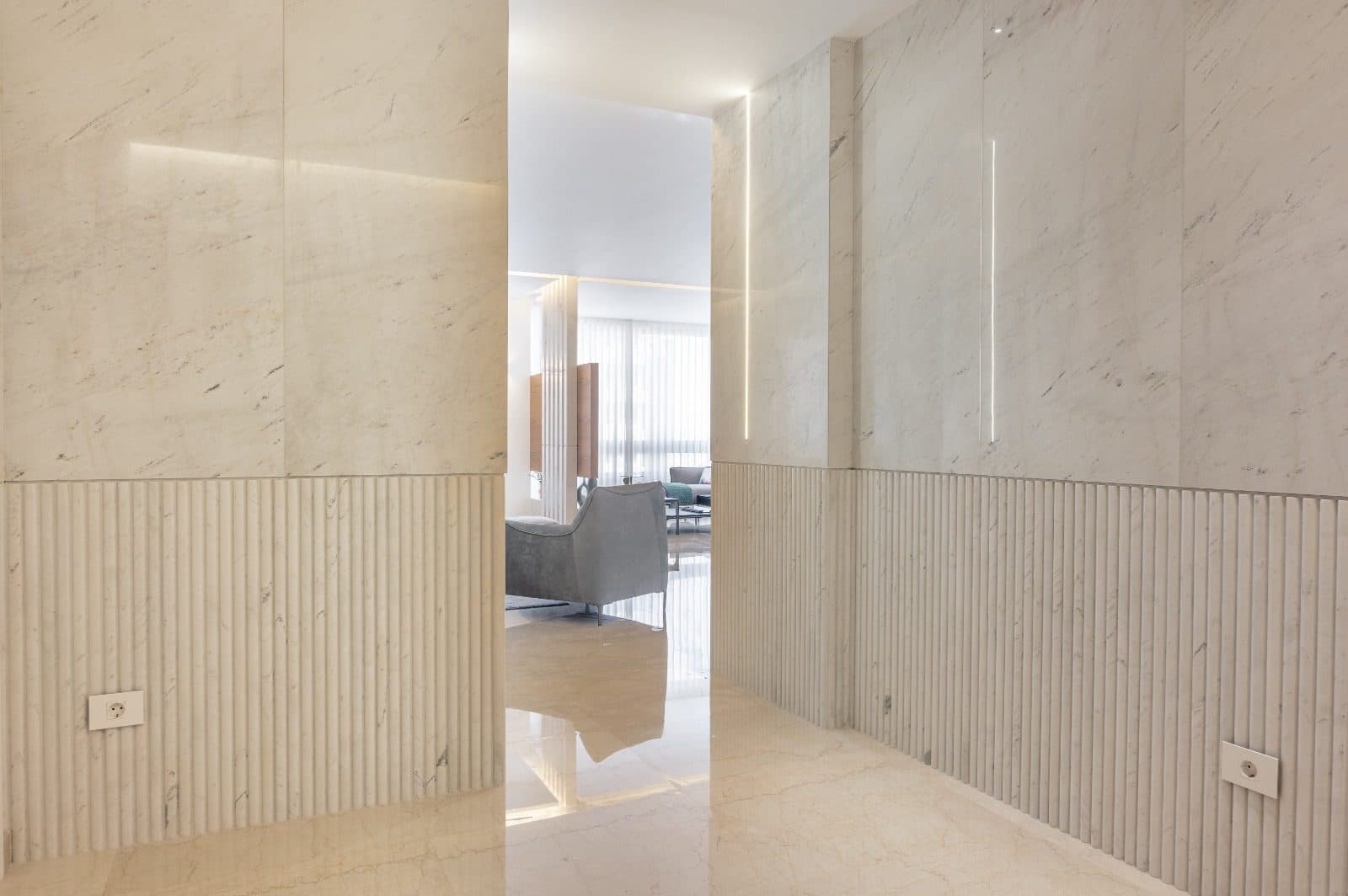
In this guide, we break down the most beautiful, practical, and trending marble staircase ideas including what works best for Lebanese homes specifically, how to mix materials, and what to keep in mind before you start.
Why Marble is Still the Number One Choice for Staircases
You might be wondering, with so many materials available today, why do architects and homeowners in Lebanon keep coming back to marble? The answer is simple: nothing else comes close to what marble offers as a complete package.
Marble is naturally cool to the touch, which is a genuine advantage in Lebanon’s warm summers. It is incredibly durable, a well-maintained marble staircase can outlast the building itself. Every slab has a unique pattern of veining, meaning your staircase will never look exactly like anyone else’s. And from a property value perspective, marble is one of the few materials that consistently adds real monetary value to your home in the Lebanese market.
Yes, it requires some care. But when you weigh that against decades of beauty, the math is easy.
1. Classic White Marble Staircase Never Out of Style
If you want something that will always look right, white marble is the answer. Carrara White and Bianco Sivec are the two most popular choices in Lebanon right now, and for good reason. The soft grey veining against a bright white background is clean, elegant, and works with almost any interior style — traditional Lebanese, contemporary, or somewhere in between.
The key to making a white marble staircase look special rather than plain is in the details. Pair it with wrought iron railings for a classic feel, or go with brushed gold handrails if you want something more luxurious. Matching the staircase marble with the entrance floor creates a seamless flow that makes the whole ground floor feel bigger and more cohesive.
2. Floating Marble Stairs Modern, Minimal, Impressive
Floating staircases have become one of the most requested designs in modern Beirut apartments and contemporary villas. The concept is simple but visually dramatic, each marble step is mounted directly into the wall with no visible supports underneath, creating the illusion that the stairs are floating in mid-air.
For this look, lighter marble varieties work best. Crema Marfil and Silver Shadow both have the right balance of softness and character without being too busy. Add recessed LED lighting underneath each tread and the effect at night becomes genuinely breathtaking. It is a design that photographs well too, if that matters to you.
3. Grand Curved Marble Staircase The Statement Piece
If you have the space and the budget, nothing makes a more powerful first impression than a grand curved marble staircase. This is a design you see in the finest villas in Beit Mery, Baabdat, and coastal residences in Jounieh. The sweeping curve draws the eye upward and creates a sense of arrival, the moment a guest steps through your front door, they know this is a special home.
Darker marble varieties like Emperador Dark or Portoro Gold look extraordinary on curved staircases because the bold veining follows the arc of the curve naturally. Pair with a carved stone balustrade for a truly classical look, or contrast with a sleek steel railing for an unexpected contemporary twist.
4. Dark Marble Designs Bold, Dramatic, and Very Much on Trend
Dark marble staircases have gone from niche to mainstream in Lebanese interior design over the last few years. Nero Marquina with its sharp white veining, Pietra Grey with subtle linear movement, and Black Forest marble with its dramatic contrast are all being used extensively in high-end Beirut projects.
The trick with dark marble is the lighting. Get it right and a dark marble staircase looks like something out of an architecture magazine. Brushed gold or matte black railings both work well depending on the direction of your overall interior. This design is also incredibly effective in commercial spaces a boutique hotel lobby or upscale restaurant entrance with dark marble stairs makes a statement that guests remember.
5. Marble with Decorative Inlay Borders A Touch of Craftsmanship
This is a design tradition with deep roots marble staircase design ideas in Lebanon and the wider Mediterranean. Skilled craftsmen cut thin strips or geometric patterns from a contrasting marble and embed them directly into the surface of each step. The most timeless combination is white Carrara steps with a thin black marble border running along every edge, it adds definition, makes each step visually clear, and elevates the staircase from beautiful to truly artisanal.
More elaborate inlay patterns, floral motifs, geometric grids, or custom patterns inspired by traditional Lebanese tilework, are also possible if you want something completely one of a kind. This level of craftsmanship takes longer and costs more, but the result is a staircase that cannot be replicated by any factory.
6. Marble Combined with Wood or Steel The Best of Both Worlds
Not everything has to be marble. Some of the most beautiful contemporary staircases in Lebanese homes combine marble treads with warm wood handrails and slim steel balusters. This approach takes the coldness out of marble and brings in natural warmth, making the space feel livable rather than like a showroom.
Walnut wood with light Botticino marble is a combination that suits the Mediterranean aesthetic perfectly. For a more industrial-modern look, try white marble treads with raw steel railings and exposed concrete walls. The contrast works because each material is confident on its own, together they create something unexpected and original.
7. Outdoor Marble Staircases Extending Luxury to Your Garden
Lebanon’s climate is practically made for outdoor living, and a marble staircase connecting your terrace to your garden or pool area is a natural extension of that lifestyle. The important thing here is to choose the right finish polished marble is beautiful indoors but becomes dangerously slippery when wet outside.
For outdoor applications, always go with a bushhammered, flamed, or sandblasted finish, which gives the marble a textured grip surface while preserving its natural color and veining. Travertine is another popular outdoor choice that blends naturally with Lebanese gardens and landscapes. Combine with built-in garden lighting along the sides of each step for a magical evening ambiance.
How to Keep Your Marble Staircase Looking Perfect
The number one thing that ruins marble is neglect. If you invest in a marble staircase, commit to the basic maintenance routine and it will reward you for decades.
Seal the marble immediately after installation with a high-quality penetrating stone sealant, and repeat every one to two years. Clean with a pH-neutral stone cleaner only, never vinegar, lemon juice, or bleach, all of which etch the surface permanently. Wipe spills immediately, especially anything acidic. In high-traffic areas, a quality runner or carpet protects the surface without hiding it completely. And when in doubt, call a professional stone restoration service rather than attempting to buff out scratches yourself.
Conclustion – Marble Staircase design ideas
A marble staircase is not just a design choice, it is an investment in your home and your daily experience of it. The way you feel walking up a beautifully crafted marble staircase every morning is genuinely different from any other material. In Lebanon, where architecture and interior design have always been taken seriously, getting this element right matters.
Whether you go classic and white, bold and dark, floating and modern, or grand and curved — the key is choosing a design that feels authentically yours. Work with a trusted local marble supplier and an experienced contractor, take your time with the decision, and the result will speak for itself for years to come.
Frequently Asked Questions (FAQs) – Marble Staircase design ideas
Q: What is the best type of marble for a staircase in Lebanon?
A: For most Lebanese homes, Carrara White and Crema Marfil are the most popular choices because they suit both traditional and modern interiors and hold up well in the local climate. If you want something bolder, Nero Marquina or Portoro Gold are excellent for contemporary or luxury projects.
Q: Is marble slippery on stairs? Is it safe?
A: Polished marble can be slippery, especially when wet. For indoor stairs, you can add a non-slip runner or choose a honed (matte) finish instead of polished. For outdoor stairs, always use a flamed or bushhammered finish, which gives the surface enough texture for safe footing.
Q: How much does a marble staircase cost in Lebanon?
A: Costs vary depending on the marble variety, the complexity of the design, and your contractor. As a general guide, standard marble staircase projects in Lebanon start from around $150–$300 per step for basic designs, while custom curved or inlaid staircases can be significantly higher. Always get at least three quotes from reputable suppliers.
Q: How do I maintain a marble staircase?
A: Seal your marble once or twice a year with a stone sealant. Use a pH-neutral cleaner for regular cleaning and avoid acidic products entirely. Wipe spills quickly, especially liquids like juice or wine. In high-traffic areas, use a protective runner. With this basic routine, your marble staircase will look beautiful for decades.
Q: Can marble stairs be used outdoors in Lebanon?
A: Yes, but you need to choose the right finish. Never use polished marble outdoors as it becomes slippery when wet. Opt for bushhammered, flamed, or sandblasted finishes for outdoor staircases. Travertine is also a popular and durable outdoor alternative that suits Lebanese garden aesthetics well.
Q: What railing style looks best with marble stairs?
A: It depends on your interior style. Wrought iron railings suit classical Lebanese villa aesthetics. Brushed gold handrails complement luxury and contemporary designs. Slim steel balusters work beautifully in modern minimalist spaces. For a warm, residential feel, a natural wood handrail paired with marble treads is one of the most popular current trends.
Q: How long does marble staircase installation take in Lebanon?
A: For a standard residential staircase, installation typically takes between 3 to 7 days depending on the size and complexity. Custom designs with inlay work or curved elements may take two to three weeks. Always factor in additional time for the marble to be sealed and cured before full use.
See it in the showroom.
Browse over a hundred natural stones as full slabs in Beirut, or ask our team for guidance on your project.
Keep reading