Care & Maintenance
Protecting Marble and Granite in Summer Heat
13 January 2026 · 5 min read
To protect marble and granite through a hot Mediterranean summer, seal the stone before the season, clean only with pH-neutral products, wipe spills immediately, and shade outdoor surfaces from harsh sun. Marble etches when it meets acids, so never use vinegar or lemon on it.
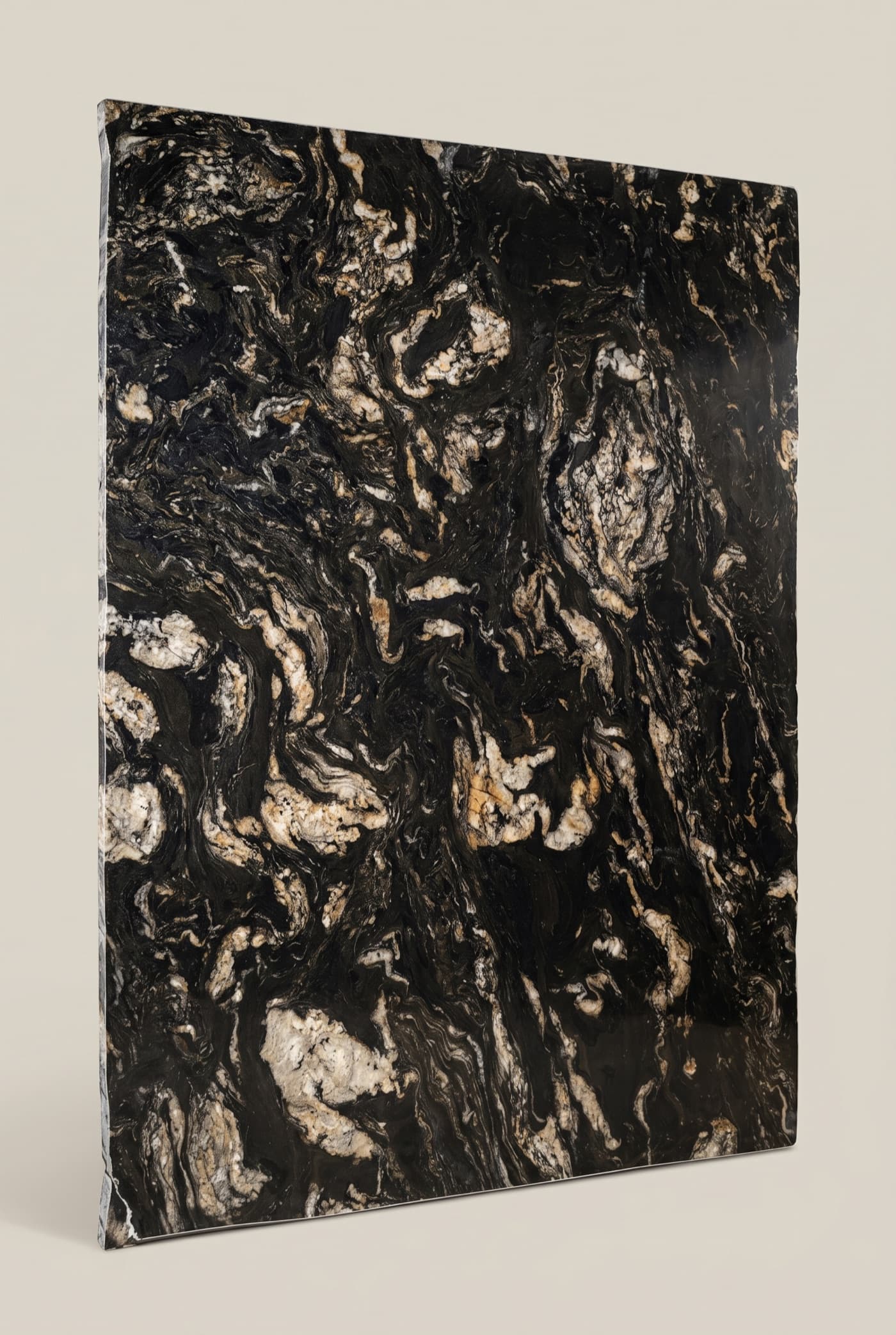
At Zein Marble, we work with natural stone every day, and we see how a hot Mediterranean summer treats it. Strong sun, dry heat and coastal humidity can slowly dull and damage marble and granite if the stone is not cared for. This guide sets out simple, reliable ways to keep your surfaces protected through the warm months — and looking their best for years.
How summer heat affects natural stone
Lebanese summers are hot and bright, and along the coast they are humid too. Inland and on the mountains the days are dry with strong UV. Each of these conditions puts a different kind of stress on marble and granite, especially on surfaces that live outdoors.
Common summer problems include:
- Colours fading or lightening under prolonged direct sunlight.
- Fine surface stress over time from repeated heating in the day and cooling at night.
- Dust and grit dulling the polish if the stone is not cleaned gently.
- A white, powdery salt residue (efflorescence) where moisture moves through the stone.
- Stains soaking in when spills sit on unsealed or under-sealed surfaces.
These issues show up most on outdoor flooring, cladding, pool surrounds and entrances — the surfaces that take the most sun, water and foot traffic.
Sealing is your first line of defence
Sealing is the single most important step in protecting marble and granite. A good penetrating sealer soaks into the stone without changing its colour or shine, leaving an invisible barrier that slows water and oil from soaking in.
Sealing helps to:
- Reduce water and oil staining.
- Give the surface time to be wiped before a spill penetrates.
- Resist salt and moisture damage in humid coastal air.
- Slow the dulling and fading caused by sun and daily wear.
In a hot, sunny climate, seal at least once a year — ideally before summer begins. Outdoor and high-traffic areas may need re-sealing more often. If you are unsure whether a surface still repels water, splash a little on it: if it beads, the seal is holding; if it darkens and soaks in, it is time to re-seal.
Limit direct sun where you can
Direct sun heats a stone surface and stresses it, and over years it can lighten some colours. You cannot move an outdoor floor into the shade, but small steps make a real difference.
Some helpful measures:
- Add a pergola, awning or canopy over exposed seating and dining areas.
- Use covers on outdoor countertops and furniture when they are not in use.
- Choose UV-stable, sun-tolerant stones for the most exposed positions.
- Favour lighter, durable granites for surfaces in full sun, as they show heat and fading less than some marbles.
Reducing heat exposure protects the colour and eases the daily expansion and contraction the stone goes through.
Clean stone the right way
Cleaning the wrong way does more harm than the summer itself. Marble in particular is sensitive: it is calcite-based, so acids etch it — leaving dull marks that no amount of polishing in the wrong direction will fix.
To clean safely:
- Use a pH-neutral cleaner made for natural stone.
- Never use vinegar, lemon, bleach or harsh household chemicals — acids etch marble.
- Wipe up spills such as oil, wine, coffee and citrus straight away.
- Dust and rinse gently; avoid dragging grit across the surface and avoid high-pressure jets on polished stone.
Light, regular cleaning protects the colour and finish far better than occasional heavy scrubbing.
Moisture and salt protection near the coast
Along the Lebanese coast, humidity and airborne salt are a year-round factor and intensify in summer. When water becomes trapped in or beneath the stone, salts can migrate to the surface and dry as white marks.
To prevent this:
- Ensure good drainage beneath outdoor and pool-area stone.
- Use a breathable, water-repellent sealer that lets the stone release moisture.
- Check wet areas — pools, gardens and planters — regularly.
- Rinse and remove salt residue early, before it builds up and hardens.
Managing moisture properly is what lets marble and granite stay strong and clean season after season.
Routine maintenance makes the difference
Natural stone rarely fails suddenly — it shows wear gradually. A simple maintenance habit catches small problems before they become expensive ones.
Recommended practices:
- Have polished surfaces professionally re-polished periodically.
- Inspect for fine cracks, dull patches or lifting seals.
- Repair chips and surface damage promptly.
At Zein Marble we advise clients based on the real conditions of each project — the orientation, the exposure and how the surface is actually used — rather than generic rules. You can explore our installation and maintenance services for ongoing care.
How Zein Group can help
Since 1989, Zein Group has supplied and installed premium natural stone across Lebanon, and our work goes well beyond selling slabs — we help clients choose and care for the right material.
We offer:
- A curated marble collection and durable granites suited to a hot, sunny climate.
- Practical guidance on sealing, cleaning and long-term care.
- Professional installation and maintenance from one team.
- Honest advice drawn from real projects rather than theory.
In short
A Mediterranean summer is demanding, but marble and granite handle it beautifully when they are protected. Seal before the heat arrives, control sun exposure where you can, clean with pH-neutral products, and stay on top of moisture and routine care. If you would like stone that suits the climate — and guidance on keeping it pristine — contact us and our team will help.
Frequently asked
- How often should I seal marble and granite in summer?
- Seal at least once a year, ideally just before summer. Outdoor and high-traffic surfaces may need it more often. To test, splash a little water on the stone: if it beads up the seal is holding; if it soaks in and darkens the surface, it is time to re-seal.
- Can I leave marble and granite worktops in direct sunlight?
- Brief sun is fine, but prolonged direct sunlight can lighten some colours and stresses the surface over years. Where possible, shade exposed areas with a pergola or awning and choose UV-stable, sun-tolerant stones for the most exposed positions.
- Why does my marble look dull or etched after cleaning?
- Marble is calcite-based, so acids etch it — vinegar, lemon and many household cleaners leave dull marks. Use only a pH-neutral cleaner made for natural stone, and wipe up acidic spills such as wine, coffee and citrus immediately.
- How do I deal with white salt marks on coastal stone?
- Those white deposits (efflorescence) come from moisture moving salts to the surface. Ensure good drainage beneath the stone, use a breathable water-repellent sealer that lets the stone dry out, and rinse off residue early before it hardens.
See it in the showroom.
Browse over a hundred natural stones as full slabs in Beirut, or ask our team for guidance on your project.
Keep reading