Design
Marble Design Trends: Colours, Finishes and Statement Veining
8 October 2025 · 5 min read
The current marble trends favour bold, characterful stone over plain white: dramatic veining and book-matched feature walls, deep colours such as Nero Marquina and warm earthy beiges, large-format slabs with fewer joints, and tactile honed, brushed and leathered finishes alongside the classic polish.
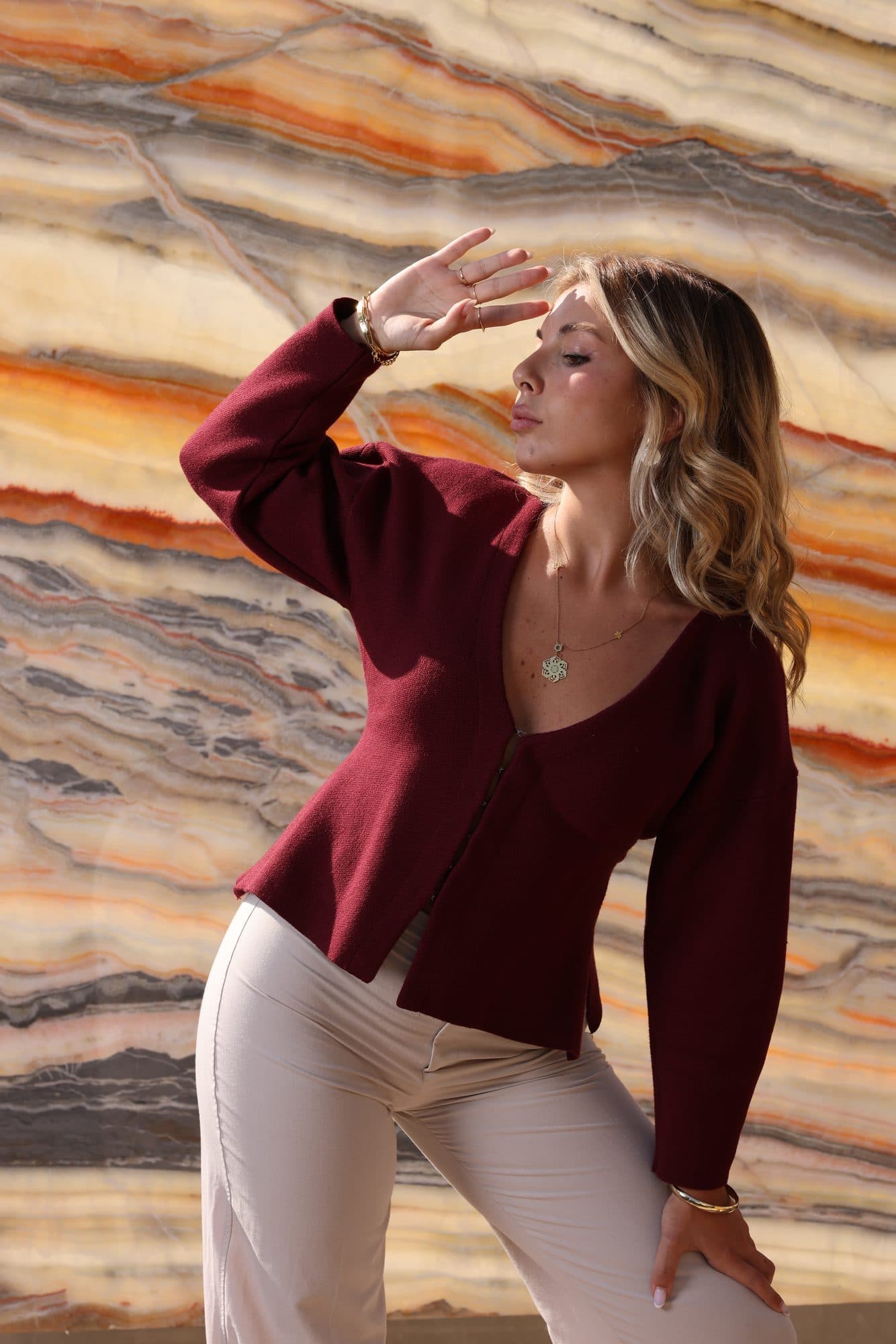
Marble never really goes out of fashion, but the way we use it keeps evolving. The plain, polished white slab is no longer the default: the strongest current trends celebrate the stone's natural character — dramatic veining, deeper colours, larger formats and a wider range of finishes. Below is a clear look at the marble design directions shaping interiors today, and how to bring them into a project.
A quick reminder of what marble is, because it explains how to use it well. Marble is a metamorphic stone formed when limestone recrystallises under heat and pressure. It is dense and beautiful but also porous and calcite-based, which means it can etch when it meets acids such as lemon or vinegar. That is not a flaw — it is the nature of the material — and the trends below all work with it rather than against it.
The colour and pattern trends
Statement veining
The single biggest shift is toward marble with bold, expressive veins. Where designers once chose the calmest, most uniform slab, they now seek out the dramatic ones — sweeping golds, greys and greens that read almost like brushstrokes. A single feature surface in a heavily veined marble can carry an entire room, which is why statement stone is increasingly treated as the focal point rather than a neutral backdrop.
Book-matching
Book-matching takes statement veining further. Two consecutive slabs are cut from the same block and opened like the pages of a book, so the veins mirror each other to create a symmetrical, butterfly-like pattern. The effect is striking on feature walls, fireplaces, vanities and large kitchen islands. Because it relies on sequential slabs from one block, book-matching is best planned early — the material has to be reserved as a matched set.
Deep and dark marbles
Dark marble has moved firmly into the mainstream. Deep tones bring drama and depth, and they sit beautifully against pale walls and warm metals. Nero Marquina, a black marble crossed by fine white veins, is a favourite for feature walls, vanities and joinery details, while richly coloured greens and browns are increasingly used to add warmth and contrast.
Warm earthy tones
Cool greys are giving way to warmer palettes. Beiges, taupes, soft browns and honey tones make a space feel calm and grounded, and they pair naturally with timber, plaster and linen. These warm marbles suit both contemporary and classic interiors, which is part of why they have become such a reliable choice for floors and living areas.
The finish trends
Finish is now as much a design decision as colour. A glossy polish still reads as luxurious and reflective, but matte and textured finishes have become just as desirable for the way they feel underfoot and under the hand.
- Polished: the classic high-shine finish that deepens colour and reflects light — elegant and formal.
- Honed: a smooth, matte surface that softens the look and hides etching and wear more forgivingly than polish.
- Brushed: a lightly textured finish that brings out the stone's grain and adds a tactile, natural quality.
- Leathered: a low-sheen finish with subtle texture and depth, popular on darker marbles and worktops.
For floors and busy surfaces, honed and leathered finishes are practical as well as fashionable: they keep their composure better than high polish in everyday use. Whichever finish you choose, marble should be sealed and cleaned with pH-neutral products to protect it over time.
Large-format slabs
Designers increasingly want fewer joints and more continuous stone. Large-format slabs let a single sweep of marble run across a wall, a floor or a worktop with minimal interruption, so the veining flows without being broken by seams. The result feels seamless and architectural, and it shows the natural pattern of the stone at its best — particularly when paired with book-matching on a feature surface.
Marbles worth knowing
A few marbles appear again and again in current projects. They are a useful starting point when you are translating these trends into real material.
- Calacatta: a white marble with bold, thick grey-and-gold veining — the archetype of statement stone, ideal for islands and feature walls.
- Statuario: a bright white marble with finer, softer grey veins, prized for clean, timeless interiors.
- Carrara: a soft white-to-grey Italian marble with gentle, feathery veining that suits both traditional and modern settings.
- Nero Marquina: a dramatic black marble with crisp white veins, perfect for dark, contemporary schemes.
- Volakas: a Greek white marble with delicate grey veining and a neutral character that works across many styles.
- Crema Uno: a warm, creamy beige marble that brings softness and warmth to floors and living spaces.
Bringing the trends together
The thread running through all of these directions is confidence: choosing marble for its character rather than hiding it. Whether that means a book-matched wall in a boldly veined slab, a honed floor in a warm beige, or a single large-format surface that lets the stone speak for itself, the current trends are about letting natural marble be the centre of attention.
At Zein Group we have been working with natural stone in Beirut since 1989, and our showroom holds full slabs across the colour and finish range described here. You can explore our collection online, then come and see the slabs in person to choose the exact piece — including matched sets for book-matching. If you would like guidance for a specific room, contact us and our team will help you match the right marble to how you will use it.
Frequently asked
- What are the biggest marble trends right now?
- The strongest trends are bold statement veining, book-matched feature walls, large-format slabs with fewer joints, deeper and warmer colours beyond plain white, and a wider mix of finishes — especially honed and leathered alongside the classic polish.
- What is book-matching?
- Book-matching means cutting two consecutive slabs from the same block and opening them like the pages of a book, so the veins mirror each other in a symmetrical pattern. It creates a striking, butterfly-like effect on feature walls, fireplaces and large islands, and needs to be planned early so the matched slabs can be reserved together.
- Is marble suitable for kitchen worktops?
- Yes, marble is widely used for worktops, but it is porous and calcite-based, so it can etch when it meets acids such as lemon or vinegar. Sealing it, using pH-neutral cleaners and choosing a honed or leathered finish all help it cope with everyday kitchen use.
- Which marble finish should I choose?
- Polished marble looks formal and reflective and deepens the colour; honed gives a smooth matte surface that hides wear and etching more forgivingly; brushed and leathered add subtle texture. For floors and busy surfaces, honed or leathered finishes tend to be the most practical.
See it in the showroom.
Browse over a hundred natural stones as full slabs in Beirut, or ask our team for guidance on your project.
Keep reading