Design
The Best Marble Types for Luxury Interiors
29 January 2026 · 5 min read
The most sought-after marbles for luxury interiors are the Italian whites — Carrara, Calacatta and Statuario — alongside warm browns like Emperador, the soft beige of Crema Marfil and the dramatic black-and-white Nero Marquina. Each has a distinct origin, look and ideal use, and all share marble's classic character: a metamorphic, porous stone that ages beautifully when sealed and cared for.
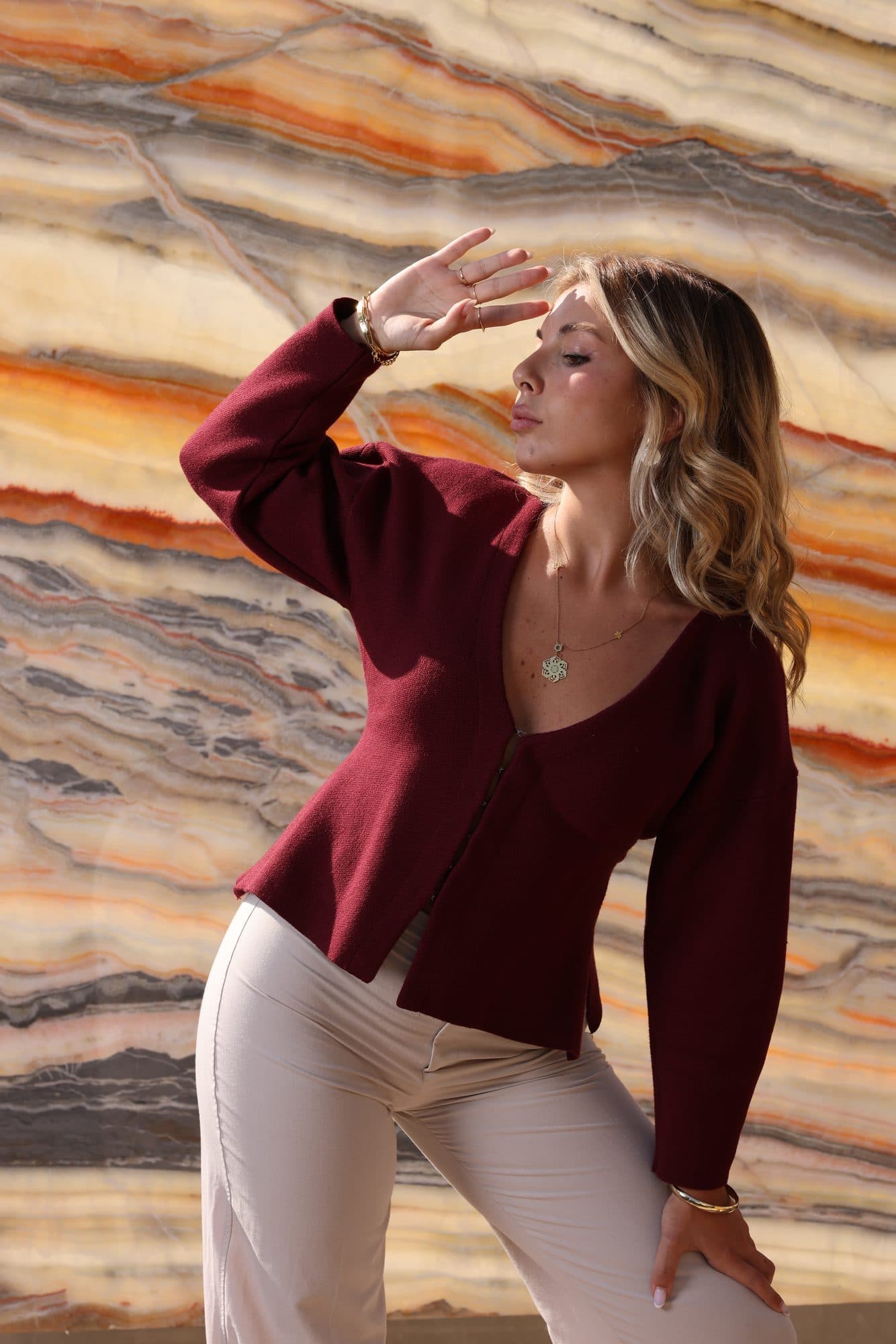
Since 1989, Zein Group has helped homeowners, architects and contractors choose and supply the right marble for residences, hotels and commercial projects across Lebanon and for clients abroad. In this guide we look at the marble types most in demand for luxury interiors — where each one comes from, how it looks, and what it is best used for.
First, what marble actually is
Marble is a metamorphic rock formed when limestone recrystallises under heat and pressure, which is what gives it those flowing mineral veins. Because it is calcite-based it is porous and will etch when it meets acids such as lemon, vinegar or wine. That does not make it fragile — sealed and cleaned with pH-neutral products, marble lasts for generations and develops a soft, lived-in patina that many people love. Understanding this character is the key to choosing and placing it well.
The best marble types for luxury interiors
Bianco Carrara
Quarried in the Apuan Alps near Carrara, Italy, Bianco Carrara is the classic that defines the look of marble for most people. It has a soft grey-white background crossed by fine, feathery grey veining — understated rather than dramatic. Its even tone and wide availability make it one of the most versatile choices for:
- Flooring and stairs
- Bathroom walls and vanities
- Kitchen surfaces (sealed and cared for)
Carrara suits both modern and traditional interiors, which is part of why it has never gone out of style.
Calacatta
Also from the Carrara region of Italy, Calacatta is rarer than Bianco Carrara and reads as the more luxurious of the two. It has a brighter, whiter base and bold, dramatic veining — often in grey with warm gold or taupe undertones. That high contrast makes it a statement stone, best used where it can be seen as a centrepiece:
- Kitchen islands and worktops
- Hotel and en-suite bathrooms
- Feature flooring and book-matched walls
Because the veining is so distinctive, Calacatta is often book-matched so two adjoining slabs mirror each other.
Statuario
Statuario, again from the Carrara area of Italy, is among the most prized white marbles — historically favoured by sculptors. It has a clean, bright white base with soft, well-defined grey veining that is more linear and restrained than Calacatta's. The effect is calm and architectural, ideal for minimal, contemporary schemes:
- Living-room and reception feature walls
- Bathroom walls and floors
- Sculptural and statement panels
Its quiet elegance is timeless and works as well in a pared-back modern home as in a classical one.
Emperador
A warm brown marble traditionally quarried in Spain, Emperador comes in light and dark varieties. The dark version is a rich chocolate brown with fine, irregular lighter veining, while the lighter version is softer and more uniform. Its warmth brings depth and a sense of comfort to a room, and it pairs beautifully with brass, bronze and natural wood. It is well suited to:
- Feature walls and fireplace surrounds
- Floors in entrances and corridors
- Vanities and detailing in warm-toned schemes
Crema Marfil
Crema Marfil is a classic cream-beige marble from Spain, loved for its soft, even colour and subtle veining. It is one of the most reliable choices for larger areas because it reads as calm and consistent rather than busy, and it makes a space feel warm, fresh and light. Designers reach for it in:
- Large flooring projects
- Living rooms and corridors
- Bathrooms and neutral, classic interiors
Its understated warmth complements both modern and traditional design.
Nero Marquina
Nero Marquina is a deep black marble from the Basque Country in northern Spain, defined by crisp, bright white veining that stands out sharply against the dark ground. That bold contrast makes it one of the most striking marbles for contemporary, high-contrast interiors:
- Feature walls and staircases
- Reception areas and commercial lobbies
- Bathrooms and statement flooring
Used with soft lighting and a restrained palette, Nero Marquina gives a space a confident, premium edge.
A note on finishes and current preferences
Polished marble remains popular for its depth and sheen, but honed, brushed and leather finishes are increasingly chosen, especially for floors and high-traffic areas. These less reflective finishes have a few practical advantages:
- Less slippery underfoot than a high polish
- A softer, more natural appearance
- Lower glare in bright light
Alongside finish, the broad direction in luxury interiors is a balance of drama and calm: dark statement marbles like Nero Marquina and dark Emperador for feature moments, and warm neutrals like Crema Marfil and Carrara for the surfaces you live with every day.
Why guidance matters when choosing marble
Choosing the right marble is not only about how it looks. The finish, the slab thickness, where the stone will be used and how it will be maintained all affect how well it performs over time. The right white for a sculptural wall may be the wrong choice for a busy kitchen worktop, and a porous beige that is perfect for a dry hallway needs more thought around water and acids.
Since 1989, Zein Group has guided homeowners, architects and contractors through exactly these decisions, matching each stone to how it will actually be used. You can explore the full range in our marble collection, or contact us to discuss a specific room or project.
Conclusion — the best marble types for luxury interiors
From the timeless Italian whites of Carrara, Calacatta and Statuario to the warm browns of Emperador, the soft beige of Crema Marfil and the dramatic Nero Marquina, each marble brings its own character to a luxury interior. The best choice is rarely a single stone — it is the right stone in the right place, often several working together.
With reliable sourcing, full slabs to view and decades of experience, Zein Group helps you make that choice with confidence. Browse our marble collection or contact us to begin.
Frequently asked
- What is the difference between Carrara, Calacatta and Statuario?
- All three are white marbles from the Carrara region of Italy. Bianco Carrara has a soft grey-white base with fine, feathery grey veining. Calacatta is whiter and rarer, with bolder, more dramatic veining often in grey and gold. Statuario sits between them, with a bright white base and clean, well-defined grey veins that read as calm and architectural.
- Does marble stain or etch easily?
- Marble is porous and calcite-based, so it can etch — develop dull marks — when it meets acids such as lemon, vinegar or wine. Sealing the stone and cleaning with pH-neutral products greatly reduces the risk, and a honed finish hides etching better than a high polish. With normal care, marble lasts for generations.
- Which marble is best for a kitchen worktop?
- For kitchens, denser white marbles such as Bianco Carrara and Statuario are popular and practical when sealed and maintained. A honed rather than polished finish hides etching and wear better. If you want maximum drama and use the surface gently, Calacatta is a beautiful choice for an island.
- Is darker or lighter marble better for a luxury interior?
- Neither is inherently better — it depends on the effect you want. Dark marbles like Nero Marquina and dark Emperador create bold, dramatic feature moments, while lighter stones like Crema Marfil and Carrara make a space feel calm, warm and open. Many luxury interiors combine both.
See it in the showroom.
Browse over a hundred natural stones as full slabs in Beirut, or ask our team for guidance on your project.
Keep reading