Care & Maintenance
Marble Cleaning Tips for Homeowners
4 January 2026 · 7 min read
Marble brings a timeless, elegant look to floors, stairs, worktops and feature walls — but it is a porous, calcite-based stone that etches on contact with acids and stains if spills are left to sit. The golden rules: dust and dry-mop daily, clean only with a pH-neutral cleaner, never use vinegar, lemon or other acidic products, blot spills immediately, and seal the surface periodically.
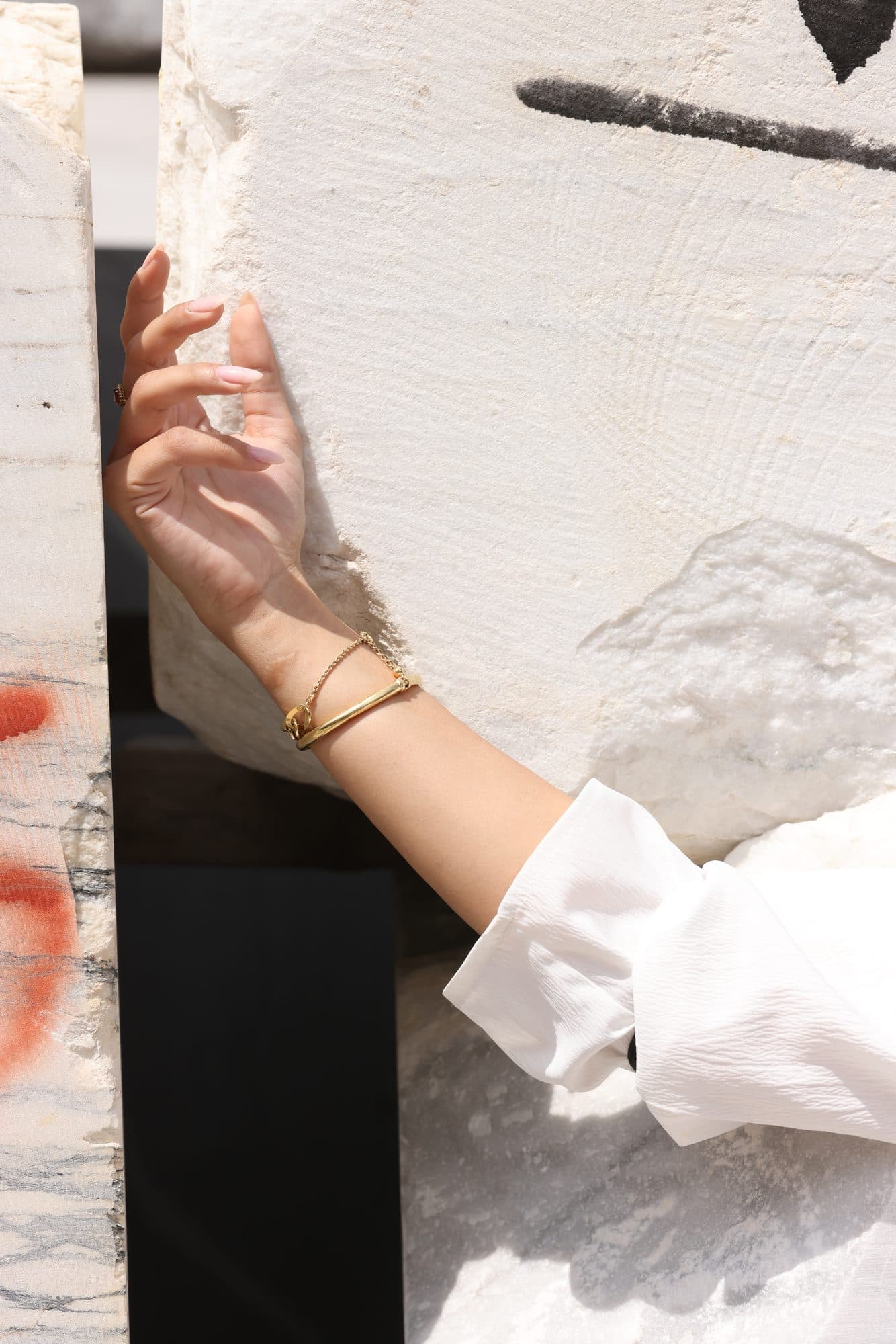
Marble gives a home a sense of quiet luxury, which is why it appears on so many floors, staircases, kitchen worktops and feature walls. It looks solid and permanent — but marble is in fact a delicate natural stone that rewards gentle, consistent care. Cleaned the right way, it keeps its depth and shine for decades. Cleaned the wrong way, it dulls, stains and etches surprisingly fast. This guide sets out simple, accurate marble cleaning tips any homeowner can follow.
Why marble needs gentle care
Marble is a metamorphic rock made largely of calcium carbonate, the same mineral found in limestone. That composition is the key to everything: marble is porous, so it readily absorbs liquids, and it is acid-sensitive, so it reacts chemically with anything acidic. Marble is also not heat-proof — a hot pan can mark or crack the surface and damage any sealer. Treat it as the soft, reactive stone it is, not as hard-wearing tile.
The most common mistake is cleaning marble like ordinary ceramic tiles, with strong supermarket cleaners or scouring pads. On marble, those products leave dull patches, fine scratches and etch marks — small, often whitish dull spots where the surface has been chemically eaten away. Etching is physical damage, not dirt, so no amount of scrubbing removes it. Prevention is the whole game.
Daily marble care
Day-to-day care matters more than any deep clean. Most everyday wear on marble comes from grit — fine dust, sand and tracked-in dirt act like sandpaper underfoot and slowly scratch the polish away. So the single most useful daily habit is simply removing that grit:
- Dust and dry-mop daily with a soft, dry microfibre cloth or flat mop. Lifting grit before it gets walked in prevents the scratches that dull marble over time.
- Wipe worktops after each use with a barely damp microfibre cloth, then dry them. Marble does not need a daily wet wash — too much standing water can seep into the pores and cause discolouration.
- Never drag furniture, appliances or pots across a marble surface; lift them instead.
How to clean marble the right way
For a proper clean — weekly for floors, more often for kitchen worktops — keep it simple and pH-neutral:
- Use a pH-neutral cleaner made for natural stone, or warm water with a few drops of mild, neutral soap. Avoid anything acidic or strongly alkaline.
- Dampen — don't soak — a soft microfibre cloth or mop. Wring it out well so the surface is wiped, not flooded.
- Wipe gently in even strokes. There is no need to scrub; let the cleaner do the work.
- Rinse with clean water if you used soap, to avoid a cloudy film building up.
- Dry the surface with a clean cloth. Drying prevents water marks and stops moisture sitting in the pores.
That gentle, neutral routine keeps marble fresh and protects its natural shine without ever putting the stone at risk.
Dealing with spills and stains
Spills are where marble is most vulnerable, and speed matters more than technique. Acidic spills — wine, citrus juice, vinegar, coffee, fizzy drinks, tomato, many cleaning products — can etch marble within minutes, while oils, sauces and cosmetics soak into the pores and stain. The rule is the same for all of them: deal with it at once.
- Blot spills immediately — press straight down with a soft, absorbent cloth or paper towel. Do not wipe or smear, which only spreads the liquid into more of the stone.
- Once blotted, clean the area with a little water and pH-neutral cleaner, then dry it.
- For an oily or greasy stain that has soaked in, a stone-safe poultice can draw it out. Avoid aggressive home remedies.
- If a stain or etch mark will not lift, stop and call a professional — strong DIY fixes usually cause permanent damage.
Dust and hard water
Two everyday nuisances deserve their own mention because they affect marble slowly and quietly.
Dust and grit are the main cause of long-term dulling, especially on floors. Keep entrances clean, place doormats at thresholds and rugs in high-traffic areas, and stay on top of daily dry-mopping so grit never gets ground into the polish.
Hard water leaves chalky white limescale marks, particularly around taps, in bathrooms and on shower surrounds. Because limescale removers are acidic and will etch marble, never use them here. Instead, wipe these areas dry after use, and lift existing marks gently with a pH-neutral stone cleaner. A squeegee on shower walls after each use makes a real difference.
Seal and protect
Sealing is the best protection marble can have. A penetrating stone sealer soaks into the pores and buys you time — it slows down how quickly spills are absorbed, so you have longer to blot them before they stain. Sealer does not make marble waterproof or acid-proof, but it is a genuine safety net.
- Seal marble periodically. How often depends on the stone and how hard the surface works — busy kitchen worktops need resealing more frequently than a low-traffic floor. A simple test: drip a little water on the surface; if it darkens or soaks in quickly rather than beading, it is time to reseal.
- Use coasters and trivets under glasses, bottles, cups and anything hot, and chopping boards rather than cutting directly on the stone.
- Place mats and felt pads under decorative objects and furniture feet to prevent scratches and ring marks.
What never to use on marble
Many ordinary household products quietly damage marble. Keep these well away from the stone:
- Acidic cleaners — vinegar, lemon, and any citrus, descaler or limescale remover. These etch marble on contact.
- Bleach, ammonia and harsh all-purpose sprays, which dull and discolour the surface.
- Abrasive pads, hard brushes and scouring powders, which scratch the polish.
- Steam cleaners, whose heat and pressure can harm both the stone and its sealer.
When in doubt, check that a product is explicitly labelled safe for natural stone before it ever touches marble. You can browse the full range of natural stone in our collection to see how each marble is finished and used.
When to call in the professionals
Even with careful upkeep, marble can lose its lustre over the years, and some damage is beyond a home clean. It is worth bringing in a specialist when you see:
- Deep or persistent stains that gentle cleaning will not lift.
- Visible scratches across the surface.
- Dull, etched or uneven patches where the polish has gone.
- Discolouration of the stone.
Professionals restore marble through honing, polishing and resealing — processes that remove etching and scratches and bring back the original finish, then protect it against future wear. These are skilled treatments best left to people who understand how the stone behaves.
At Zein Group we have worked with natural stone in Beirut since 1989, and our team in Lebanon offers care and maintenance services to restore and protect marble in homes and projects. If you are caring for a Zein Marble surface, or planning a new one, contact us and we will advise you on the right approach for your stone.
The takeaway
Marble adds lasting beauty to a home, and looking after it is genuinely simple once you know the rules: dust daily, clean only with pH-neutral products, keep acids and abrasives away, blot spills the moment they happen, manage dust and hard water, and seal the stone periodically. Do that, and your marble will stay polished, healthy and beautiful for many years.
Frequently asked
- Can I use vinegar or lemon to clean marble?
- No. Vinegar, lemon and any other acidic cleaner react chemically with marble and etch the surface, leaving dull marks that cannot be scrubbed away. Use only a pH-neutral cleaner made for natural stone, or warm water with a little mild, neutral soap.
- How often should I seal marble?
- Periodically — the exact interval depends on the stone and how hard the surface works. Busy kitchen worktops need resealing more often than a low-traffic floor. A quick check: drip water on the surface; if it soaks in and darkens quickly instead of beading, it is time to reseal.
- Is marble heat-resistant?
- Not reliably. Marble can mark, discolour or crack from hot pans, and heat can damage the sealer. Always use trivets and pads under anything hot rather than placing it directly on the stone.
- What is the best way to clean up a spill on marble?
- Blot it immediately — press straight down with a soft, absorbent cloth rather than wiping, which spreads the liquid. Acidic spills such as wine, juice or coffee can etch within minutes, so speed matters. Afterwards, clean the area with a pH-neutral cleaner and dry it.
See it in the showroom.
Browse over a hundred natural stones as full slabs in Beirut, or ask our team for guidance on your project.
Keep reading