Design
The Psychology of Marble in Modern Design
1 December 2025 · 6 min read
Marble feels luxurious, calming and timeless because of how the stone itself behaves: it is cool to the touch, it catches and softens light, and no two slabs are ever alike. In Lebanese interiors, those qualities give a room a sense of permanence and quiet confidence that few materials can match.
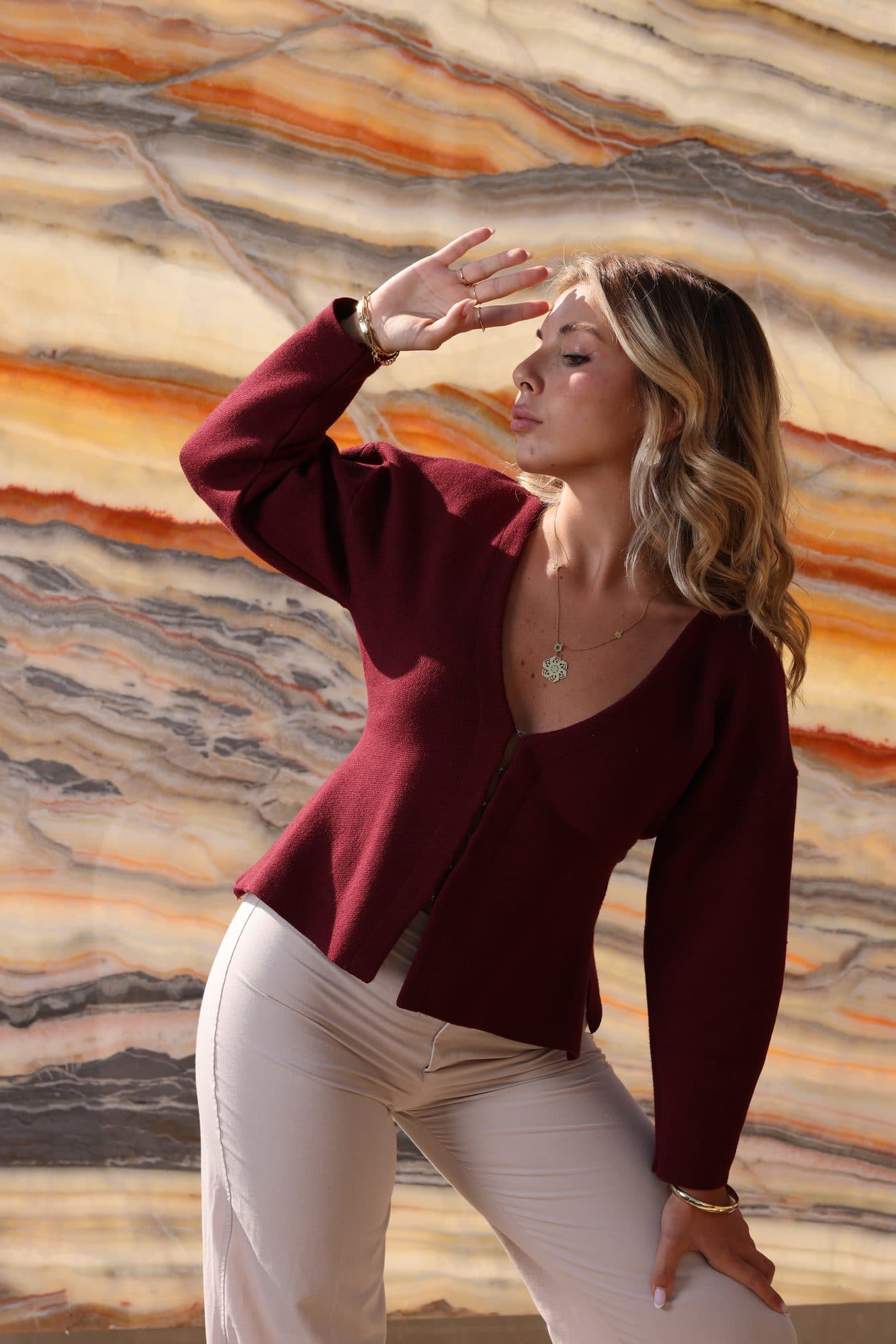
There is a moment people often have when they walk into a room finished in marble: they go quiet. They reach out and touch it. Something about the stone slows them down. For a material that has decorated palaces, churches and grand homes for thousands of years, marble carries a feeling that is hard to put into words — and yet almost everyone recognises it. This is the psychology of marble: not a trick of fashion, but a response to how the stone genuinely looks, feels and behaves.
In Lebanon, where stone is woven into our architecture, our courtyards and our memory of home, that response runs especially deep. This article looks at why marble feels the way it does, and how to use that feeling well in a modern interior.
Why marble feels luxurious
Marble is a metamorphic stone — limestone recrystallised over ages under heat and pressure — and that history is written into every slab as flowing veins of mineral colour. Because those veins are formed by nature rather than printed by a machine, no two pieces are ever identical. When you choose a slab of marble, you are choosing something that exists nowhere else and cannot be reproduced.
That rarity is a large part of why marble reads as luxurious. Our eyes are quick to tell the difference between a pattern that repeats and one that does not. A printed tile reveals itself the moment its design starts again across a floor; marble never does. The veining drifts, gathers and disappears with the logic of something grown rather than manufactured. The result feels considered, permanent and genuinely valuable — because it is.
Why marble feels calming
Luxury alone does not explain the stillness people feel around marble. Much of that comes from how the stone meets light. A polished surface reflects and disperses light gently, softening it rather than throwing harsh glare. Daylight seems to settle into the stone and spread out across a room, which is why marble interiors so often feel open and unhurried even when the space itself is small.
There is a tactile side to this as well. Marble is naturally cool to the touch, with a smooth, solid density you feel the instant your hand rests on it. That coolness and weight read, almost instinctively, as steadiness. A heavy, cool, unmoving surface signals safety; it is one of the reasons a marble worktop or vanity can make a busy kitchen or bathroom feel grounded. The calm is not imagined — it begins in the physical character of the stone.
Why marble feels timeless
Trends in interiors come and go quickly, but marble sits outside them. Part of this is simply age: the stone has been valued across cultures and centuries, so it carries an association with things that last. But the deeper reason is that marble does not belong to any one style. The same Calacatta slab can read as classical in a panelled hallway and strikingly modern as a single wall in a minimalist apartment.
Because the pattern is natural rather than designed to a moment's taste, it never dates. A marble surface installed today will look exactly as deliberate in twenty years as it does now — and natural stone ages with grace, gathering a soft patina rather than wearing out. That permanence is reassuring in a way that few finishes manage. You are not decorating for this season; you are setting something in place.
Colour and the mood of a room
Marble is quarried in nearly every colour, and the tone you choose sets the emotional temperature of a space. These are sensibilities rather than rules, but they hold true across most interiors:
- White and pale marbles amplify light and feel open, clean and quietly luxurious — well suited to bathrooms, kitchens and calm, minimal rooms.
- Grey marbles add depth and a composed, contemporary mood — at home in living rooms, lobbies and feature walls where you want understated weight.
- Beige and warm-toned marbles feel inviting and lived-in, bringing softness and hospitality to family spaces and entrances.
- Green and richly veined marbles make a confident statement, bringing the character of the natural world indoors as a centrepiece.
- Bold and multicoloured marbles carry energy and personality, and reward spaces meant to feel expressive — a showroom, a restaurant, a daring island.
You can explore the full range in our collection and see how different tones change the feeling of a space.
Finish: how the surface changes the feeling
The same slab can feel quite different depending on how it is finished, because the finish governs how the stone meets the light and the hand:
- Polished reflects light and reads as bright, glamorous and expansive — it makes a room feel larger.
- Honed (matte) is soft and grounded, reducing glare and giving a warm, contemporary calm.
- Brushed or antiqued adds gentle texture and a sense of craft, with a more traditional, tactile character.
Choosing the finish is as much an emotional decision as a practical one. A polished wall performs; a honed floor settles. Often the most considered interiors mix the two.
Marble in the Lebanese home
Stone is part of how we live in Lebanon. From the cool floors of old Beirut apartments to the carved thresholds of mountain houses, marble has long been the material we turn to when a space is meant to last and to matter. In a modern Lebanese interior, that heritage gives the stone an extra resonance: a marble entrance, staircase or kitchen does not only look refined — it feels like home, handled with care.
Used well, marble can anchor an entire scheme. A single book-matched wall can become the heart of a living room; a marble vanity can turn a bathroom into a retreat; a marble floor can give an entrance the quiet authority of a fine hotel. The stone does the emotional work, so the rest of the room can stay calm and uncluttered.
Choosing the right stone
Because every slab is unique, marble is best chosen in person, with the light and the room in mind. The colour, the scale of the veining and the finish all shape how a space will feel, and the right pairing is rarely the one that looks best on a screen. This is where seeing full slabs side by side makes all the difference.
At our Beirut showroom — where Zein Group has worked with natural stone since 1989 — you can stand in front of more than a hundred slabs, feel their coolness, and watch how each one handles the light. If you would like help matching a stone to a particular room or mood, contact us and our team will guide you through it.
More than a material
Marble's hold on us is not marketing. It comes from real, physical things: a surface that is cool and solid to the touch, a way of catching light that softens a room, and a pattern that nature alone could draw. Luxurious, calming, timeless — those feelings are simply how we read the stone. Choose marble thoughtfully, and a space gains a sense of permanence and quiet beauty that stays with everyone who enters it.
Frequently asked
- Why does marble feel cool to the touch?
- Marble is a dense natural stone that conducts heat away from your skin, so it always feels slightly cooler than the surrounding air. That coolness, together with its weight and smoothness, is part of why marble reads as calm and solid.
- Is every slab of marble really unique?
- Yes. Marble's veins are formed naturally over geological time, so no two slabs are identical. When you choose a piece of marble, the pattern you see exists nowhere else, which is a large part of why the stone feels so valuable.
- Which marble colour is most calming for a home?
- Pale and white-toned marbles tend to feel the calmest because they amplify light and keep a room open and uncluttered. Grey and beige tones also feel composed and grounded — the best choice depends on the room and the mood you want.
- Does marble go out of style?
- No. Because its pattern is natural rather than designed to a trend, marble does not date the way printed finishes do. It suits both classical and modern interiors and ages with a soft patina, which is why it has remained desirable for thousands of years.
See it in the showroom.
Browse over a hundred natural stones as full slabs in Beirut, or ask our team for guidance on your project.
Keep reading