Care & Maintenance
How to Restore the Shine of Marble
17 January 2026 · 5 min read
To restore dull marble, deep-clean with a pH-neutral cleaner, then hone or polish to bring back the gloss. Light dullness and minor etching can be improved at home with marble polishing powder; deep scratches and worn floors need professional honing and re-polishing. Finish by sealing to protect the surface from future stains.
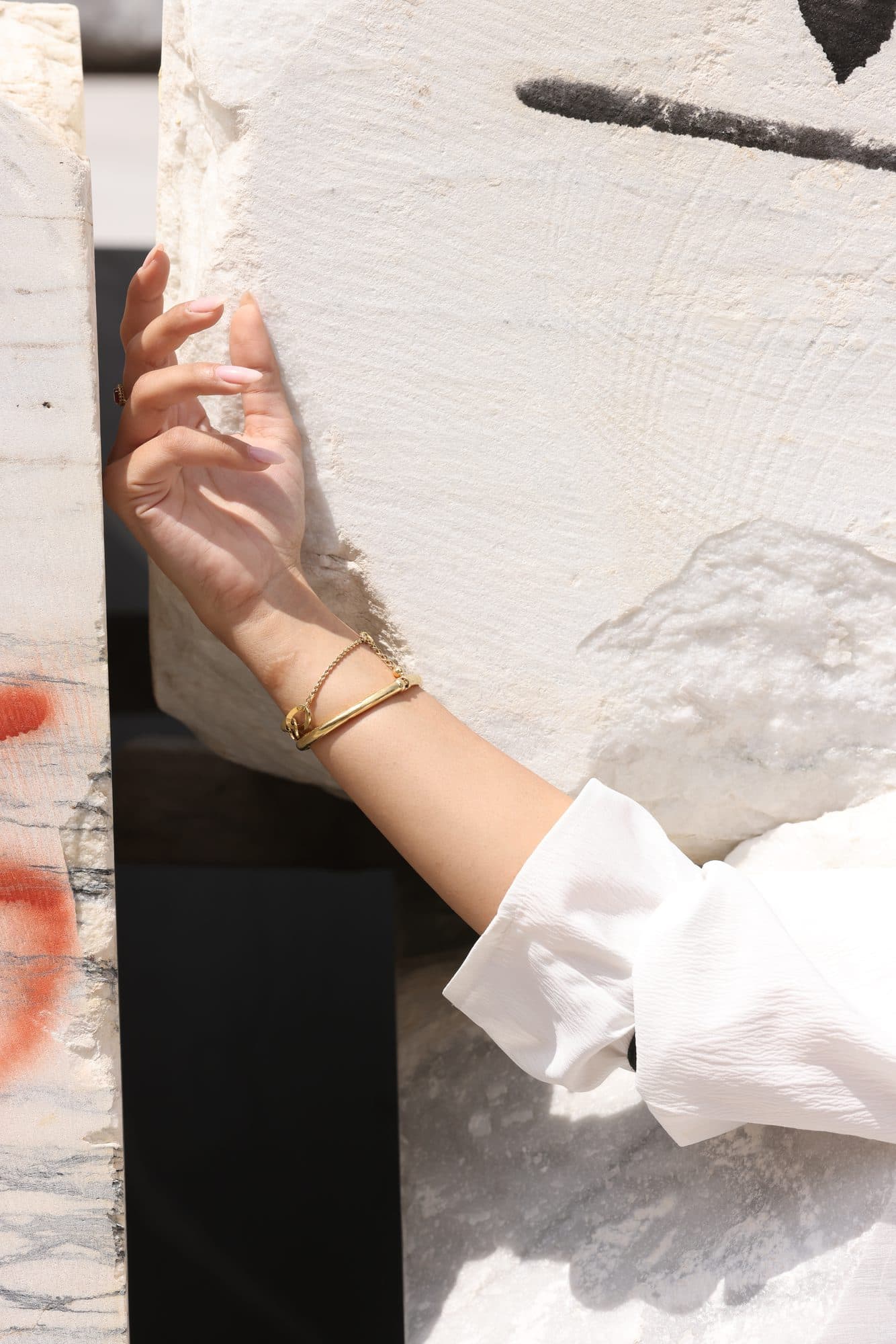
Marble has always been a symbol of elegance. It is used for floors, walls, worktops and decorative detail in homes, hotels and public spaces the world over, prized for its natural beauty, strength and timeless look. But however hard-wearing it is, marble's lustre can fade over time with daily use, the wrong cleaning products and a little neglect. The good news: in most cases that shine can be brought back. This guide explains why marble loses its gloss and how to restore and protect it — at home and with professional help.
Why marble loses its shine
Marble is a calcite-based stone, which makes it beautiful but also reactive. Understanding what dulls it is the first step to restoring it:
- Daily wear and grit: In busy areas like kitchens, bathrooms and hallways, foot traffic, dust and fine grit act like sandpaper and gradually wear down the polished surface.
- Harsh cleaning products: Bleach, vinegar and strong chemical cleaners strip marble's finish and leave it looking flat and dull.
- Acid spills and etching: Marble is sensitive to acids. Lemon juice, vinegar, wine, coffee and tomato sauce react with the stone and leave dull, matte marks called etches if they are not wiped up quickly.
- Standing water and poor sealing: Excess moisture and pooling water can leave marks and, on an unsealed surface, soak in and dull the stone over time.
It is worth knowing the difference between an etch and a stain. An etch is physical damage to the polished surface caused by acid — it changes the texture and reflectivity, so cleaning alone will not fix it; the surface has to be re-polished. A stain is discolouration where something has soaked into the stone, and is usually lifted with a poultice rather than polishing.
How to restore marble's shine
Work from the gentlest method to the most involved. Many dull surfaces only need a thorough clean and a light polish.
1. Deep clean first
Remove dust and grit with a soft broom, a microfibre mop or a vacuum, then clean with warm water and a pH-neutral stone cleaner. Avoid harsh detergents, and never use vinegar or lemon-based products. Don't flood the surface with water — wipe with a damp (not wet) cloth or mop, then dry thoroughly with a soft towel to prevent water spots. A simple clean like this restores a surprising amount of shine on its own.
2. Hone or polish to bring back the gloss
If the surface is still dull or lightly etched after cleaning, it needs re-polishing rather than more washing. For minor etch marks and small dull patches, a dedicated marble polishing powder (used according to the manufacturer's instructions and a little water) can re-establish the gloss on a small area. For worn floors, deep scratches or large dull zones, professional honing and polishing is the right answer: specialists use progressively finer diamond pads to grind back to a clean, even surface and re-polish it to a uniform shine. Avoid kitchen-cupboard remedies — abrasive pastes and acidic mixtures can make the dullness worse.
3. Seal to protect the restored finish
Once the marble is clean and polished, apply a quality penetrating sealer to a clean, dry surface and let it cure as the maker directs. A good sealer slows the rate at which spills soak in, buying you time to wipe them up before they stain — it does not make marble acid-proof, so spills should still be cleaned promptly. Sealing won't change the colour or texture of the stone, and it is the single best thing you can do to keep a restored surface looking its best.
Everyday tips to keep marble shining
- Use pH-neutral cleaners only — skip bleach, vinegar, lemon and generic bathroom sprays.
- Wipe spills immediately, especially anything acidic like citrus, wine, coffee or tomato.
- Use coasters, trivets and mats under glasses, hot pans and in high-traffic spots to prevent etching and scratches.
- Place a doormat at entrances so grit is caught before it reaches polished floors.
- Re-seal periodically and have busy floors professionally polished every few years to keep them gleaming.
Marble doesn't wear out — it weathers. Clean it kindly, wipe spills fast, and a polish every few years keeps it looking like the day it was laid.
When to call a professional
Minor dullness, light etching and small scratches can usually be handled at home with safe cleaning and a marble polishing powder. But deep scratches, widespread etching, worn or uneven floors and stubborn stains are best left to specialists, who can hone, re-polish and seal the stone properly without risking further damage. If you are unsure, it is always safer to ask before experimenting on a large or valuable surface.
Bringing your marble back to life
Marble can make a space look beautiful for generations, but keeping its shine takes a little care: clean it gently, polish it when it dulls, and seal it to protect it. Follow those steps and your floors, worktops and decorative pieces will keep their glow.
At Zein Group we have worked with natural stone in Beirut since 1989, and we are happy to advise on caring for marble — whether it came from us or not. Explore our marble collection, see how we handle installation and maintenance, or contact us for guidance on restoring a specific surface.
Frequently asked
- How often should marble be polished?
- It depends on use. A residential floor or worktop typically benefits from professional polishing every few years, while light dullness in between can be improved at home with a pH-neutral clean and, if needed, a marble polishing powder. Busy commercial floors may need it more often.
- Can I use vinegar or lemon juice to clean marble?
- No. Vinegar, lemon and other acidic products react with marble and leave dull etch marks. Always use a pH-neutral stone cleaner, and wipe up acidic spills such as citrus, wine and tomato immediately.
- Is marble suitable for bathrooms and other damp areas?
- Yes. Marble performs well in bathrooms and humid spaces, but it should be sealed and kept reasonably dry — wipe down standing water and avoid leaving acidic toiletries in direct contact with the surface.
- Can I restore marble's shine at home, or do I need a professional?
- Light dullness, minor etching and small scratches can often be fixed at home with safe cleaning and a marble polishing powder. Deep scratches, worn floors and widespread etching need professional honing and re-polishing to restore an even, lasting shine.
See it in the showroom.
Browse over a hundred natural stones as full slabs in Beirut, or ask our team for guidance on your project.
Keep reading