Projects
12 Tips for Installing Durable, Elegant Marble Facades
1 January 2026 · 7 min read
A lasting marble facade depends on three things: choosing a dense, weather-resistant stone, fixing it correctly with a proper anchoring system, and sealing and maintaining it over time. Marble is porous and metamorphic, so outdoor cladding needs the right slab thickness, expansion joints, drainage and a quality sealer to stay beautiful for decades.
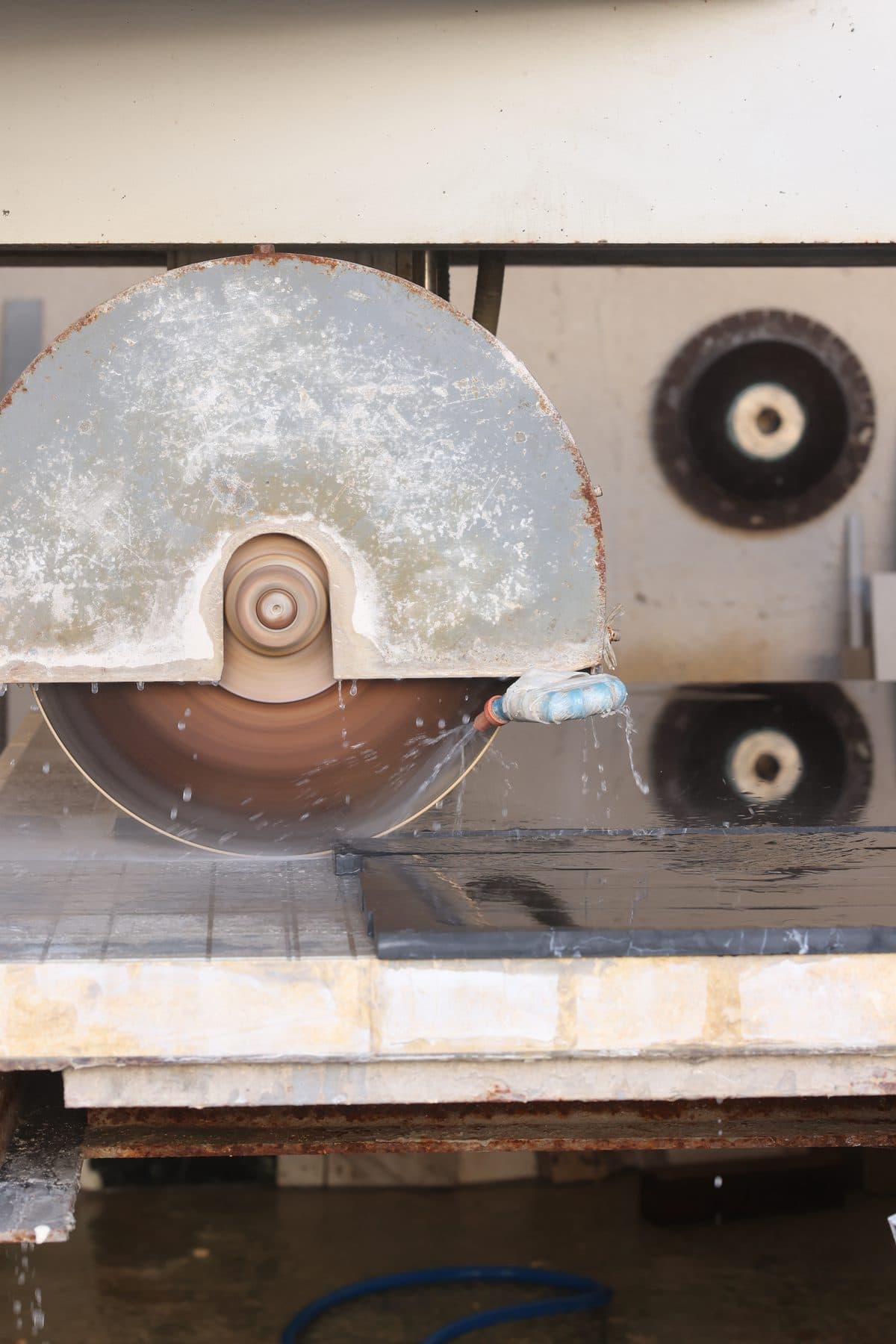
A marble facade gives a building a calm, confident presence — the same natural stone you see on landmark architecture, wrapping a villa, a shopfront, a hotel or an office. Done well, it ages gracefully and keeps a building looking considered for decades.
But a good facade is far more than fixing slabs to a wall. It depends on the right stone, honest slab thickness, a proper anchoring system, careful weatherproofing and a maintenance plan. This guide explains, in plain terms, how to install and look after a durable marble or stone facade — whether the project is a home or a commercial building.
1. Choose a weather-resistant stone
Marble is a metamorphic, calcite-based stone, and it is naturally porous — it can absorb water and, untreated, it can weather, etch and stain outdoors. That does not rule it out for facades; it simply means the stone has to be chosen carefully and protected properly. For exterior cladding, favour denser, lower-porosity marbles with tight grain and few veins or fissures, and match the stone to the climate, orientation and exposure of the wall.
A few honest points worth knowing:
- Pale and white marbles reflect light and read beautifully on modern facades, but they show staining more readily and benefit from regular sealing.
- Darker marbles look rich and architectural, yet some colours can soften or fade under constant UV — ask about the specific stone before committing.
- Travertine is a popular cladding stone, but it is a separate stone from marble, not a type of marble — a lighter, naturally pitted limestone-family stone. It is a fine facade material in its own right; just specify it knowingly rather than mistaking it for marble.
If you are unsure which stone suits an exterior wall, view full slabs of our marble collection and let our team advise on the densest, most weather-resistant options for your project.
2. Insist on quality and grade
Sound stone is the foundation of a sound facade. When selecting slabs for cladding:
- Choose slabs free of cracks, open fissures or hidden weaknesses.
- Look for consistent colour, veining and thickness across the batch.
- Favour stone with lower water absorption — it withstands weather far better outdoors.
Poor-quality stone cracks, discolours and leads to costly repairs. Buying from a trusted source and inspecting the actual slabs first is always the cheaper choice in the end.
3. Get the slab thickness right
Slab thickness is a structural decision, not just a cost one. Exterior facade panels are generally thicker than interior tiles because they carry their own weight, resist wind load and must accept anchors without cracking. Thin slabs may save money up front but can flex, chip at the edges or fail at the fixings.
The correct thickness depends on the stone, panel size, building height and the fixing method — so it should be set by the fabricator and engineer together, not assumed. As a rule, larger panels and mechanically anchored systems call for thicker, stronger slabs.
4. Prepare the substrate properly
A durable facade starts behind the stone. The supporting wall or structure must be:
- Clean, dry, sound and true to line.
- Free of dust, oil, laitance or loose material.
- Fitted with a moisture barrier or insulation layer where the design requires it.
When the substrate is prepared correctly, the stone sits true, the fixings bite into solid material, and the facade stays secure for the long term.
5. Specify a proper anchoring and fixing system
Stone is heavy, so a facade needs an engineered support system rather than adhesive alone. The most common approaches are:
- Mechanical fixing — stainless-steel anchors, cramps, kerf clips or dowels that physically hold each slab to a frame or wall. This is the standard for larger and higher panels.
- Ventilated (rainscreen) facades — stone hung on aluminium or stainless rails with an air gap behind, improving drainage and insulation.
- Adhesive-assisted fixing — exterior-grade cement- or resin-based adhesives, used for smaller, lower panels and typically combined with mechanical support rather than relied on by itself on a tall facade.
Use only corrosion-resistant fixings — stainless steel or aluminium — because ordinary steel rusts, stains the stone and eventually fails. The right system makes the facade safe, lets it carry weight properly and extends its life dramatically.
6. Use the correct adhesives and grouts
Where adhesive is used, ordinary interior tile glue is not enough. Facades need exterior-grade products formulated to cope with:
- Heat, cold and large temperature swings.
- Rain, humidity and freeze–thaw cycles in colder weather.
- Slight, natural movement in the building.
The right adhesive and grout depend on the stone, the panel size and the fixing method. Pale and translucent marbles in particular need adhesives that will not bleed through and shadow the stone.
7. Design the joints carefully
Stone expands and contracts slightly with temperature, and buildings move. Well-designed joints absorb that movement so the facade does not crack:
- Movement and expansion joints prevent cracked or dislodged slabs.
- Even, considered joint lines keep the facade looking straight and balanced.
- Sealed joints help keep water out of the wall.
Use flexible, weatherproof sealants such as quality silicone at movement joints. Choose a sealant compatible with natural stone, as some can stain marble at the edges.
8. Seal and weatherproof the stone
Because marble is porous, sealing is essential — not optional — on an exterior facade. A good penetrating, breathable impregnating sealer reduces water absorption and helps protect against staining and weathering, while still letting trapped moisture escape. After installation, finish the facade properly:
- Carry out a final clean and remove any adhesive or grout residue.
- Allow the stone to dry fully, then apply a stone-suitable impregnating sealer.
- Plan to re-seal periodically, since exterior sealers wear with sun and rain.
A textured or honed finish can also help — it is less slippery and tends to mask the etching and water-spotting that show up quickly on high-polish marble outdoors.
9. Design for water drainage
Standing water is the single biggest cause of facade damage. Make sure the design lets water run off and away:
- Sills, copings and ledges are given the correct fall so water sheds rather than pools.
- Drainage paths or weep routes are built into the system.
- Water cannot collect or get trapped behind the slabs.
Good drainage protects both the stone and the fixings, and is exactly why ventilated rainscreen facades perform so well in wet weather.
10. Plan for long-term maintenance
A marble facade keeps its beauty and value when it is looked after. A simple, regular routine goes a long way:
- Clean with pH-neutral, non-acidic products — never vinegar, lemon or harsh acids, which etch marble.
- Re-seal the stone periodically to keep its water resistance.
- Inspect joints and sealant, and renew them when they perish.
- Repair small chips or cracks promptly before water gets in behind the stone.
Cared for this way, a stone facade stays strong and handsome for decades and ages with real character.
11. Match the design to the building
The pattern and finish of the stone shape how the whole building reads:
- Modern facades — clean lines, large-format slabs and quiet geometric layouts.
- Classic facades — bordered, panelled or book-matched arrangements with more decoration.
- Commercial buildings — balanced, durable compositions that convey solidity and quality.
We offer design and consultation so the layout, jointing and stone selection suit your building rather than fighting it.
12. Work with stone specialists
Facade installation is specialist work that brings together the right stone, an engineered fixing system and proper weatherproofing. A capable team makes sure:
- The correct stone, thickness and materials are chosen for the exposure.
- Slabs are anchored and sealed to a high standard.
- Structural, safety and engineering requirements are met.
Zein Group has supplied natural stone from our Beirut showroom since 1989, and offers a complete path from slab selection to installation and maintenance — for facades that are strong, safe and genuinely elegant.
A marble facade is a long-term investment
A stone facade is not only a design choice; it is a long-term investment in a building's value and presence. Specified and installed correctly, marble cladding gives a building lasting elegance and weight. Choose a dense, weather-resistant stone, get the thickness, anchoring and drainage right, seal it well and maintain it — and the facade will stand up to both time and weather.
To see full slabs in person or discuss a facade, visit our Beirut showroom, browse our collection, or contact us and our team will help you choose and install the right stone.
Frequently asked
- Can marble really be used outdoors on a facade?
- Yes. Marble is porous and can weather if left untreated, but a dense, low-porosity marble that is properly fixed, sealed with a breathable impregnating sealer and maintained will last for decades on an exterior wall. Stone choice and detailing matter more than the marble label itself.
- Is travertine a type of marble?
- No. Travertine is a separate stone — a lighter, naturally pitted stone in the limestone family — not a variety of marble. It is a good facade material in its own right, so specify it knowingly rather than treating it as marble.
- How thick should facade slabs be?
- Thicker than interior tiles, but the exact figure depends on the stone, panel size, building height and the fixing system. It should be set by your fabricator and engineer together. Larger panels and mechanically anchored systems generally need thicker, stronger slabs.
- How do I keep a marble facade looking new?
- Clean with pH-neutral, non-acidic products, re-seal the stone periodically, check joints and sealant, and repair any chips or cracks promptly before water gets behind the slabs. A textured or honed finish also hides water-spotting better than a high polish outdoors.
See it in the showroom.
Browse over a hundred natural stones as full slabs in Beirut, or ask our team for guidance on your project.
Keep reading